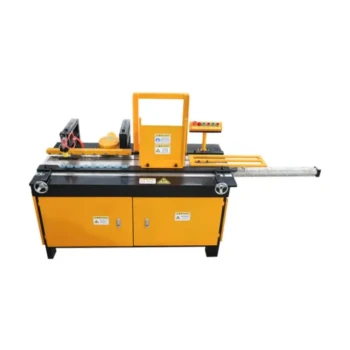
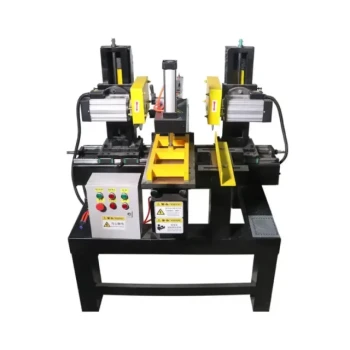
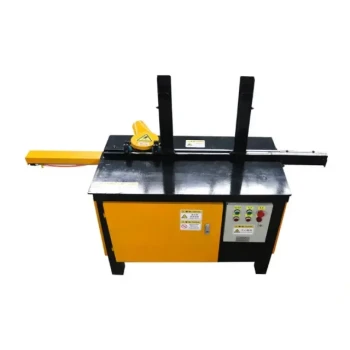
In challenging climates, hive construction is a colony-health system—not merely a manufacturing task. Precision hive-making machinery produces components with consistent dimensions, tight joints, reliable ventilation, and stable coatings. Combined with standardized modern hive equipment, this creates stronger shelters that help colonies regulate temperature and humidity, resist pest entry, withstand transport, and support more efficient inspection and honey handling.
The central benefit is consistency: precision manufacturing gives every hive a predictable physical environment, while standardized equipment makes maintenance, monitoring, transport, and mechanized operations more reliable. In harsh conditions, that consistency can reduce colony stress and help bees devote more energy to survival, brood rearing, honey, and wax production.
Why Harsh Conditions Demand Better Hive Construction
Colonies must maintain a stable microclimate
Honey bees depend on the hive to buffer external temperature and humidity changes. Poorly fitted components can create unwanted drafts, heat loss, moisture accumulation, or gaps that undermine the colony’s ability to regulate its internal environment.
Precision-made hive bodies, frames, covers, and joints provide more uniform tolerances. This gives beekeepers a more predictable enclosure across colonies and reduces variation caused by inconsistent manual construction.
Structural weakness increases operational risk
Hives used in cold, hot, wet, windy, or frequently transported environments face greater physical stress. Weak joints, inconsistent dimensions, and poorly finished surfaces can lead to warping, looseness, or loss of airtightness.
High-precision cutting, assembly, and coating improve structural integrity. The result is equipment better suited to repeated handling, stacking, loading, unloading, and seasonal movement.
Local bee populations still require suitable equipment
Standardization does not mean that every colony or region should use exactly the same design. Hive dimensions, ventilation arrangements, insulation levels, and internal layouts must remain appropriate for the bee population, management method, and climate.
The advantage of precision machinery is that it can produce a consistent version of a suitable design. This combines biological fit with manufacturing repeatability.
Structural Benefits of Precision Hive-Making Machinery
Uniform dimensions improve component interchangeability
Precision machinery produces hive bodies, frames, covers, and other components to consistent specifications. Properly standardized parts can be exchanged between colonies without extensive adjustment.
This is especially valuable for commercial apiaries, where a damaged frame or hive component can be replaced quickly rather than custom-fitted on site.
Accurate joints improve stability and airtightness
Dimensional accuracy supports better-fitting connections between hive components. Consistent joints help preserve the intended internal environment and reduce openings that may allow drafts or pests to enter.
Airtightness should not be confused with complete sealing. Hives still require scientifically appropriate ventilation; the goal is controlled airflow, not an unventilated enclosure.
Consistent coating improves durability
Professional hive-making lines can support uniform surface treatment and coating. More consistent finishing helps protect wooden components from environmental exposure and reduces variation between batches.
The coating system must be suitable for beekeeping use and applied without creating harmful exposure risks for bees or contaminating hive products. Manufacturing consistency improves the process, but material selection remains essential.
Standardized structures support transport
Migratory beekeeping places repeated demands on hive construction. Standardized hives with stable dimensions are easier to stack, secure, load, unload, and inspect for damage after transport.
Consistent construction also helps maintain a more predictable colony microclimate while hives are moved between locations.
Health Benefits for Bee Colonies
Better thermal regulation reduces colony stress
In harsh climates, bees spend energy heating or cooling the colony. A well-constructed hive helps moderate the effects of external conditions and supports more stable internal temperature control.
When the shelter performs consistently, locally adapted bees can devote more energy to brood care, honey production, wax production, and other colony functions instead of compensating for structural defects.
Controlled ventilation helps manage humidity
Ventilation is essential for maintaining an appropriate temperature and humidity balance. Poorly designed or inconsistently assembled equipment may create either excessive airflow or inadequate moisture removal.
Precision manufacturing supports repeatable ventilation features, allowing beekeepers to apply a known design across multiple colonies. Climate-specific configuration and field monitoring are still required because the correct balance varies by environment.
Fewer gaps can limit pest entry
Uncontrolled gaps and poorly fitted components can provide entry points for pests and increase colony vulnerability. Consistent tolerances reduce these avoidable openings.
This does not replace inspection, hygiene, or integrated pest management. It removes one preventable weakness from the hive system.
Stable equipment supports non-destructive inspections
Standard frame and hive dimensions allow beekeepers to inspect brood, food stores, and colony condition without destroying the honeycomb. This reduces unnecessary disturbance and supports more repeatable health-management routines.
Non-destructive inspection is particularly valuable in larger apiaries, where consistent equipment allows workers to follow the same procedures across many colonies.
Predictable hardware supports disease management
When hive components are interchangeable, damaged or compromised parts can be identified and replaced more systematically. Standardized equipment also makes inspection routines easier to train and reproduce.
The health benefit comes from better management consistency—not from standardization alone. Disease prevention still depends on appropriate monitoring, sanitation, stock selection, and beekeeper judgment.
Why Standardization Matters to Commercial Operations
It creates a scalable apiary platform
Uniform hive structures allow an operation to manage more colonies with fewer custom decisions. Workers can use consistent inspection, maintenance, transport, and harvesting procedures.
This reduces operational complexity and can lower maintenance costs, particularly when replacement components are readily available from the same equipment system.
It improves mechanized handling
Standardized hives are easier to handle with equipment designed for repeated loading, unloading, stacking, and movement. Consistent dimensions reduce compatibility problems between the apiary, transport process, and honey-extraction workflow.
For distributors and resellers, this makes a standardized product portfolio more valuable than a collection of unrelated hive formats.
It supports digital apiary management
Consistent hive geometry provides a more reliable foundation for installing IoT sensors and other monitoring hardware. Sensors can be positioned more consistently when hive dimensions and mounting points are predictable.
Standardization therefore supports the wider modernization of the apiary, although digital performance still depends on appropriate sensor selection, installation, connectivity, and data management.
It connects beekeeping with processing equipment
Standardized frames and hive bodies can improve compatibility with automated inspection and honey-extraction equipment. The same dimensional consistency that helps a beekeeper replace a frame can also help a processor handle it more efficiently.
This creates a more connected chain from hive production to harvesting and processing.
Understanding the Trade-offs
Standardization is not universal compatibility
Different hive systems, frame formats, and bee populations may use different dimensions. A product described as “standard” is only interchangeable within the relevant specification.
Before purchasing, confirm the exact hive format, frame dimensions, component tolerances, and compatibility with existing apiary and extraction equipment.
Excessive sealing can damage colony conditions
A tightly fitted hive is beneficial only when ventilation is correctly designed. Over-sealing a hive without adequate airflow can contribute to moisture problems and an unsuitable internal environment.
The specification should therefore balance structural tightness with climate-appropriate ventilation.
Precision equipment does not guarantee field performance
Machinery can produce accurate components, but performance also depends on wood quality, moisture content, assembly practices, coating materials, storage, and maintenance. Poor handling after manufacture can reduce the benefits of precision production.
Quality assurance should cover both machine accuracy and the finished hive’s practical performance.
One product configuration may not suit every market
A hive optimized for cold conditions may not be ideal for hot or humid regions. Likewise, stationary apiaries may have different requirements from migratory operations.
Distributors and B2B buyers should offer a climate- and operation-specific portfolio, rather than treating one standardized model as universally appropriate.
Product supply must match the equipment system
Standardization delivers its strongest benefits when replacement parts remain available. If a distributor cannot supply compatible frames, boxes, covers, or related tools, the initial equipment choice may create long-term procurement friction.
Reliable stock planning, rapid response, and clear technical support are therefore part of the practical value of standardized equipment.
Making the Right Choice for Your Goal
Select machinery and hive equipment as an integrated system rather than as isolated products.
- If your primary focus is colony health in harsh climates: Prioritize precision joints, suitable insulation, controlled ventilation, durable construction, and designs appropriate for the local bee population and weather conditions.
- If your primary focus is large-scale apiary efficiency: Choose a standardized hive platform with interchangeable frames and components that supports repeatable inspection, maintenance, transport, and harvesting procedures.
- If your primary focus is migratory beekeeping: Select uniform, structurally stable hives that can be stacked, secured, loaded, and unloaded efficiently without compromising the colony’s internal environment.
- If your primary focus is digital and mechanized modernization: Verify compatibility with IoT sensor installation, automated handling, and honey-extraction equipment before committing to a hive specification.
- If your primary focus is distribution or wholesale growth: Build a full-spectrum portfolio around compatible hive bodies, frames, covers, tools, consumables, and replacement parts, supported by dependable fulfillment and technical service.
- If your primary focus is reducing lifecycle cost: Evaluate interchangeability, replacement availability, coating durability, maintenance requirements, and supplier responsiveness—not only the initial machinery price.
With the right specifications and dependable supply chain, precision manufacturing turns hive equipment into a consistent foundation for healthier colonies and more scalable beekeeping.
Summary Table:
| Benefit | Description |
|---|---|
| Uniform dimensions | Components are interchangeable, reducing on-site fitting and enabling quick replacement. |
| Accurate joints | Better sealing and stability, supporting controlled airflow and reducing pest entry. |
| Consistent coating | Enhanced durability and protection against environmental exposure. |
| Standardized structures | Easier stacking, transport, and mechanized handling, ideal for migratory beekeeping. |
| Thermal regulation | Stable microclimate reduces colony stress, allowing more energy for brood and honey production. |
| Controlled ventilation | Maintains proper humidity and temperature, balancing airflow without over-ventilation. |
| Pest entry reduction | Fewer gaps limit pest intrusion, complementing integrated pest management. |
| Non-destructive inspection | Consistent frames enable gentle inspections, reducing colony disturbance. |
| Disease management | Interchangeable parts simplify replacement and improve consistency in health routines. |
| Scalable apiary platform | Uniform equipment streamlines operations, worker training, and maintenance. |
| Mechanized handling | Compatible dimensions improve integration with loading, stacking, and extraction equipment. |
| Digital integration | Predictable geometry supports IoT sensor installation and apiary monitoring. |
| Processing compatibility | Standardized frames align with automated honey extraction and processing machinery. |
Ready to strengthen your apiary with precision hive machinery and standardized equipment? At HONESTBEE, we provide a comprehensive wholesale portfolio—from hive-making and honey-filling machines to essential beekeeping tools and consumables. Our one-stop sourcing, premium trading services, and ultra-fast fulfillment ensure you get reliable supply and dedicated support. Whether you're a distributor seeking OEM/ODM customization or a beekeeper aiming for healthier colonies, we're here to help. Contact us today to discuss your needs and discover how our full-spectrum solutions can boost your operation. Get in touch now!
Related Products
- High-Efficiency Pneumatic Bee Hive Making Machine for Rapid Box Assembly
- Beehive Handle and Frame Rest Cutting Machine: Your Specialized Hive Machine
- Mini Desktop Bee Hive Frame Forming Making Machine
- Automatic High-Speed Bee Hive Box Stapling Machine
- Beehive Machine Double End Saw for Precision Hive Component Manufacturing
People Also Ask
- How does the introduction of professional beehive-making machinery benefit sustainable beekeeping? Scale Your Apiary
- Why is specialized beehive-making machinery critical for low-defense breeding? Enhance Selection with Precision Tools
- How does the introduction of specialized beehive making machinery contribute to increasing the scale of regional beekeeping industries?
- What is the importance of specialized beehive making machinery in a circular bio-economy? Build Local Sustainability
- Why is specialized beehive-making machinery essential? Scale Your Apiary with Precision Industrial Standards