Warré beehives are compact, square, vertically stacked systems designed around natural comb building rather than standard movable frames. Their top-bar construction and quilted upper cover support passive temperature and humidity regulation, but they also make conventional Langstroth equipment—especially centrifugal honey extractors—largely incompatible without adaptation. As a result, honey is commonly harvested by removing and crushing comb, while equipment sourcing must account for different box dimensions, feeding methods, inspection requirements, and wax-processing needs.
The central compatibility issue is the hive’s internal architecture: Warré hives use small square boxes and foundationless top bars, whereas most commercial extraction equipment is built around standardized Langstroth frames. Choose Warré-specific handling and pressing equipment, or select a removable-frame variant if operational efficiency and regulatory flexibility are priorities.
How Warré Hive Construction Differs
Small, square box modules
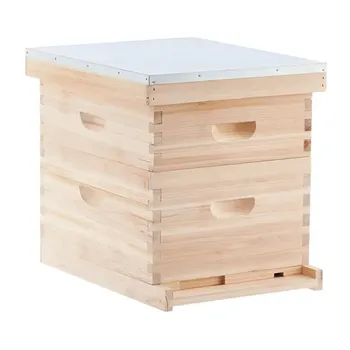
A Warré hive is built from compact, square hive boxes stacked vertically. Common dimensions are approximately 12 inches by 12 inches by 8 inches, although exact internal and external measurements vary by manufacturer and regional standard.
This smaller module differs substantially from Langstroth equipment, which uses standardized rectangular boxes and frame formats. Consequently, Warré boxes, covers, stands, and accessories should not be assumed to interchange with Langstroth components.
Foundationless top bars
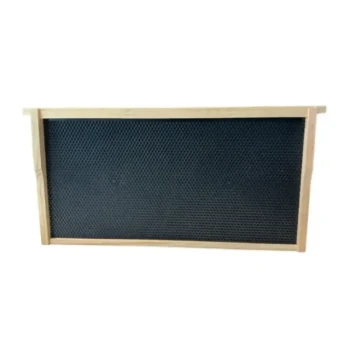
Instead of full frames with side rails, bottom rails, and manufactured beeswax foundation, traditional Warré boxes use top bars. Bees attach comb to the bars and build it downward in a natural, continuous structure.
This design reduces the number of components required to manufacture the hive and encourages natural comb construction. It also means the comb does not have the rigid perimeter support needed for many frame-based handling and extraction systems.
Quilted upper cover
A traditional Warré hive is topped by an insulating quilt box, typically filled with a dry, porous material such as sawdust and separated from the colony by cloth layers. The quilt helps buffer temperature and humidity above the nest.
This passive insulation is an important part of the Warré concept. It also changes the equipment interface at the top of the hive, so standard inner covers, telescoping covers, or feeder arrangements may not fit without modification.
Bottom-up expansion
Warré management traditionally involves adding a new box underneath the existing stack. This allows the colony to expand downward and preserves the hive’s vertical nesting pattern.
The operational disadvantage is significant: adding a box requires lifting the upper boxes. This is more physically demanding than placing a new super on top of a Langstroth hive, particularly when the upper boxes contain mature honey stores.
How the Structure Affects Honey Extraction
Why centrifugal extractors are usually incompatible
Most centrifugal extractors are engineered for rigid, removable frames. The frames are loaded into baskets, spun, and returned to the hive with their comb largely intact.
Traditional Warré top bars do not provide the same side and bottom support. Their attached comb can be fragile during removal and may not fit extractor baskets designed for Langstroth deep, medium, or shallow frames.
Crush-and-strain harvesting
The conventional Warré harvesting method is to remove honey-filled comb, crush it, and strain or press the honey from the wax. This approach does not depend on a centrifugal extractor and is structurally compatible with foundationless comb.
The trade-off is that the comb is generally destroyed during extraction. Bees must therefore rebuild it, consuming time and colony resources that could otherwise support brood rearing or honey storage.
Greater wax recovery
Because crush-and-strain harvesting removes the comb, it produces more recoverable beeswax than an extraction process that preserves drawn comb. Apiaries using Warré or other top-bar systems may therefore need wax-processing equipment such as strainers, settling vessels, solar wax melters, or wax rendering systems.
For wholesalers and distributors, this creates a broader equipment package than simply supplying an extractor. A practical portfolio may include harvesting knives, food-grade crushing or pressing equipment, fine filters, settling tanks, wax melters, and storage containers.
Honey quality and handling control
Extraction equipment should be hygienic, food-safe, and sized for the expected harvest volume. Clean handling helps prevent contamination while the honey is being separated from comb, filtered, settled, and stored.
The hive itself supports the colony’s internal environment, but it does not eliminate the need for disciplined harvesting procedures. Equipment selection should therefore address both mechanical compatibility and product hygiene.
Which Equipment Is Compatible?
Warré-specific hive hardware
A Warré setup generally requires components matched to its square footprint and box height, including:
- Hive boxes
- Top bars or compatible removable frames
- Quilt boxes
- Cloth or quilt liners
- Square covers
- Bottom boards and stands
- Entrance reducers or entrance devices
- Compatible feeding equipment
The dimensions must be verified before ordering. Even small differences in box footprint can create gaps, poor cover fit, or incompatibility between boxes from different suppliers.
Standard Langstroth extractors
A conventional Langstroth extractor is not a direct fit for traditional Warré top bars. A distributor should not present a standard extractor as universally compatible unless the product includes a validated adapter or a basket designed for the specific Warré comb format.
Some operators may use custom supports or specialized baskets, but compatibility must be confirmed at the level of bar length, comb dimensions, basket geometry, and load stability. Improvised support can damage comb or create an unsafe imbalance during spinning.
Manual presses and strainers
Manual or motor-assisted honey presses are usually more suitable for traditional Warré comb than centrifugal extractors. The comb is broken down and pressed, after which the honey passes through a food-grade strainer or filter.
This system is relatively simple and can be appropriate for small apiaries or operations prioritizing natural comb management. It is less suitable when the business model depends on rapid, high-volume liquid honey throughput.
Removable-frame Warré variants
Some Warré-style hives are manufactured with square removable frames rather than traditional top bars. These models can improve comb handling, inspection, and harvesting efficiency.
However, a removable frame does not automatically make the hive compatible with Langstroth equipment. Frame dimensions, lug placement, frame depth, and extractor basket size must still match the target machinery.
Why Equipment Compatibility Matters Commercially
Sourcing is a system-level decision
A hive body cannot be evaluated separately from its covers, frames or bars, feeders, inspection tools, and harvesting equipment. The wrong combination can force operators into custom fabrication, manual processing, or costly equipment replacement.
For B2B supply, compatibility data should accompany every product listing. Useful specifications include internal box dimensions, external footprint, top-bar or frame dimensions, material, assembly status, and supported accessories.
One-stop purchasing reduces operational risk
A complete Warré product range can include hive modules, quilt materials, top bars, removable-frame options, feeding equipment, honey presses, filters, wax melters, and consumables. Supplying these as a coordinated package reduces the likelihood that customers will combine incompatible components.
Fast technical responses are particularly valuable when customers are scaling an apiary or replacing equipment across multiple hive styles. A compatibility chart or pre-order verification process can prevent avoidable fulfillment problems.
Volume expectations influence the right system
Frame-based Langstroth systems are generally better suited to operations built around high-volume liquid honey production and comb reuse. Warré systems are more aligned with low-intervention management, natural comb construction, and crush-and-strain harvesting.
The correct choice therefore depends on the customer’s production model, not simply on the hive’s purchase price. Distributors should qualify whether the buyer prioritizes natural management, liquid honey throughput, wax recovery, labor reduction, or regulatory inspection access.
Understanding the Trade-offs
Natural management versus handling efficiency
Warré construction supports a relatively stable internal microclimate and limits frequent internal disruption. The same design makes inspections, box manipulation, and comb removal more demanding.
This is a deliberate design trade-off rather than a manufacturing defect. Customers seeking minimal intervention should understand that the system may require more specialized handling at harvest time.
Comb preservation versus wax production
Centrifugal extraction preserves drawn comb and can return it to the colony for reuse. Crush-and-strain extraction sacrifices the comb but produces more wax for recovery and processing.
Neither method is universally superior. The correct choice depends on whether the operation values faster honey processing and comb reuse or accepts additional rebuilding in exchange for wax recovery and a foundationless system.
Traditional design versus inspection requirements
Some agricultural jurisdictions require removable frames or movable combs for brood inspection and disease monitoring. Traditional top-bar Warré equipment may not satisfy such requirements in every location.
Before sourcing or selling Warré-style equipment, verify local regulations. A square removable-frame model may provide a better compromise where legal inspection access is mandatory, but its compliance should be confirmed locally rather than assumed.
Compact footprint versus feeder limitations
The quilted top and compact upper design do not provide the same convenient space for standard front feeders or common Langstroth feeding accessories. Feeders may need to be placed or configured specifically for the Warré stack.
This should be treated as a procurement requirement. Feeder dimensions, access method, bee space, and quilt-box compatibility should be checked before shipment.
Bottom expansion versus lifting demands
Adding boxes beneath the colony preserves the traditional vertical expansion method, but it requires lifting the upper boxes. Honey-filled boxes can be heavy and awkward to handle.
Operations with limited labor, high hive counts, or frequent seasonal expansion may prefer a system that adds supers from above or a modified Warré configuration designed for easier manipulation.
Making the Right Choice for Your Goal
Match the hive style and equipment package to the customer’s operating priorities before finalizing a purchase or product range.
- If your primary focus is natural comb management: Choose traditional Warré boxes with foundationless top bars, a compatible quilt system, and crush-and-strain harvesting equipment.
- If your primary focus is high-volume liquid honey production: Favor standardized frame-based hives and centrifugal extractors, because traditional Warré comb is not designed for direct use in standard extractor baskets.
- If your primary focus is wax recovery: Pair Warré equipment with crushing or pressing tools, fine filtration, and solar or rendering-based wax-processing equipment.
- If your primary focus is regulatory inspection and comb handling: Select a Warré-style model with square removable frames, then verify local requirements and confirm frame-to-extractor compatibility.
- If your primary focus is simplified procurement: Source a coordinated package of hive modules, covers, feeding equipment, harvesting tools, and consumables from a supplier that can verify dimensional compatibility.
- If your primary focus is labor efficiency: Account for the physical demands of bottom-up box expansion and consider whether a modified or alternative hive design better matches your workforce and apiary scale.
The best Warré equipment package is the one that aligns the hive’s natural-comb architecture with the customer’s harvesting method, regulatory obligations, and desired operating volume.
Summary Table:
| Aspect | Warré Hive | Impact on Extraction & Equipment |
|---|---|---|
| Box Shape | Small, square boxes (12"x12"x8") | Incompatible with standard Langstroth boxes; requires Warré-specific hardware |
| Comb Support | Foundationless top bars | Fragile comb, not suited for centrifugal extractors; requires crush-and-strain method |
| Cover | Quilted upper cover | Specialized top interface; standard covers may not fit |
| Expansion | Bottom-up adding of boxes | Physical labor; need for lifting equipment, not top-super friendly |
| Harvesting | Crush-and-strain | Destroys comb; produces more wax; requires presses, strainers, and wax melters |
| Removable Frames | Some variants | May allow extractor use if dimensions match; not universally compatible |
Ensure your Warré hive operations run smoothly with the right equipment from HONESTBEE. We offer a comprehensive range of Warré-compatible tools and one-stop sourcing for beekeepers, distributors, and resellers. From hive bodies to honey presses, our products are designed for efficiency and reliability. Contact us today for fast quotes, expert advice, and ultra-fast delivery—let's optimize your honey extraction process together! [#ContactForm]
Related Products
- High-Performance Langstroth Bee Hives for Global Professional Beekeeping
- Wholesales Dadant Size Wooden Bee Hives for Beekeeping
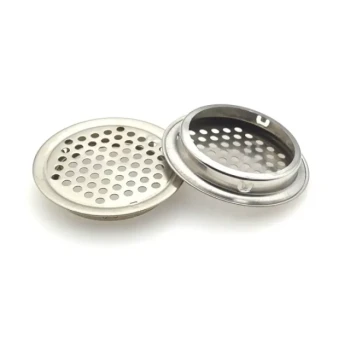
- Stainless Steel Round Beehive Air Vents for Ventilation
- Metal Bee Hive Stand Bee Box Stand for Beekeeping
- Wooden Bee Hive Frames for Beekeeping and Wholesale
People Also Ask
- What structural differences should commercial apiary operators consider when selecting between Langstroth hives and Top Bar hives for standardized honey production? Langstroth for standardized honey production
- How do Langstroth hives compare to Top Bar hives for beekeeping? Choose the Best for Your Apiary
- 8-Frame vs 10-Frame Langstroth Hives: Which Is Right for Your Beekeeping?
- Why is the adoption of modern movable-frame hives, such as Langstroth hives, advantageous over traditional hive equipment for commercial apiaries? Key Benefits for Scalable Beekeeping
- What are the structural and yield differences between traditional primitive beehives and modern standard wooden hives (such as Langstroth hives) for commercial honey producers? Discover why modern hives boost yield and efficiency.