A wooden hive frame is structurally defined by four distinct components that join to create a rigid rectangle: a single top bar, two side bars (often called end bars), and a single bottom bar. These wooden elements are frequently fitted with hardware, such as hooks or eyes, to accommodate wire bracing that supports the honeycomb.
Core Insight: While the basic anatomy of a frame is consistent, the specific design of the top and bottom bars (grooved, wedged, or split) dictates which type of foundation you can use and how the frame must be assembled.
The Anatomy of a Frame
To understand how a frame functions within the hive, you must look at the specific role and design of each bar.
The Top Bar
This is the heavy lifting component of the frame. It features lugs (ears) that extend beyond the frame's width, allowing it to hang securely on the rebates of the hive box.
Top bars generally come in two profiles: grooved or wedged. A grooved bar allows foundation to slide in, while a wedged bar involves a removable strip of wood used to cleat wax foundation in place.
The Side Bars (End Bars)
These two vertical pieces connect the top bar to the bottom bar, determining the overall height of the frame. Standard heights vary (e.g., 9 1/8 or 6 1/4 inches) to match the depth of your specific hive body.
Side bars are the primary location for structural hardware. As noted in standard construction, these bars often feature hooks or eyes to thread wire through the frame, preventing the heavy comb from sagging or breaking.
The Bottom Bar
The bottom bar completes the rectangle, providing rigidity to prevent the frame from warping or twisting under the weight of honey and brood.
Much like the top bar, the bottom bar varies in style to match your foundation. It is typically available as a solid, grooved, or split piece, with the split variety often used to pinch wax foundation sheets securely.
Understanding Design Trade-offs
When selecting components, the physical fit is standard, but the internal configuration impacts your workflow.
Wiring vs. Foundation Only
Relying solely on the wooden groove to hold foundation is easier for assembly but offers less structural support.
Incorporating the wire bracing mentioned earlier requires side bars drilled for eyelets. While this adds a step to the assembly process, it significantly increases the durability of the comb during extraction.
Wedged vs. Grooved
Grooved top bars are excellent for plastic foundation that snaps into place.
However, if you are using pure wax foundation, a wedged top bar is often superior. The wedge allows you to nail the wax sheet securely, preventing it from slipping out under the weight of the bees.
Making the Right Choice for Your Goal
Before purchasing or assembling frames, confirm how you intend to support the comb.
- If your primary focus is maximum durability: Ensure your side bars are equipped with eyelets or hooks to run horizontal bracing wires through the comb.
- If your primary focus is using plastic foundation: Choose a frame with a grooved top bar and a grooved bottom bar for a simple "slide-and-snap" assembly.
- If your primary focus is using wax foundation: Opt for a wedged top bar and a split bottom bar to securely trap the delicate wax sheet.
The strength of your hive frame ultimately depends on the synergy between the wooden joinery and the internal bracing you choose.
Summary Table:
| Component | Primary Function | Common Variations |
|---|---|---|
| Top Bar | Supports the frame via lugs (ears); holds foundation weight. | Grooved, Wedged |
| Side Bars | Determines frame height; houses wire bracing hardware. | 9 1/8", 6 1/4" (Standard heights) |
| Bottom Bar | Provides structural rigidity; prevents warping. | Solid, Grooved, Split |
| Hardware | Reinforces honeycomb stability during extraction. | Hooks, Eyes, Wire bracing |
Elevate Your Beekeeping Operations with HONESTBEE
At HONESTBEE, we understand that high-quality frames are the foundation of a productive apiary. Whether you are a commercial beekeeper looking for durable machinery or a distributor sourcing premium hive components, we provide the expertise and hardware you need.
Why partner with us?
- Full-Spectrum Supply: From precision-engineered hive-making and honey-filling machines to essential consumables.
- Wholesale Excellence: We cater specifically to large-scale apiaries and distributors with reliable, high-volume offerings.
- Industry Expertise: Our portfolio includes everything from specialized hardware to honey-themed cultural merchandise.
Ready to scale your production? Contact us today to discuss your wholesale needs and see how our comprehensive beekeeping solutions can drive your success.
Related Products
- Wooden Bee Hive Frames for Beekeeping and Wholesale
- HONESTBEE Wired and Assembled Wooden Bee Frames Foundation for a Thriving Hive
- Assembled Wooden Bee Frames with Plastic Foundation for Durability and Convenience by HONESTBEE
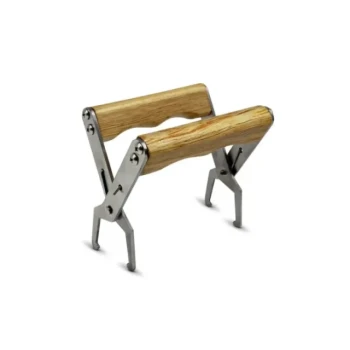
- Premium Frame Grip with Ergonomic Wood Handles
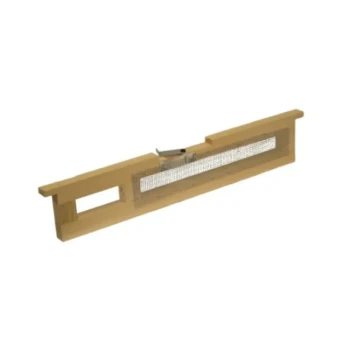
- Professional Wooden Requeening Frame for Beekeeping
People Also Ask
- How does balancing the number of frames impact hive productivity? Optimize Your Apiary's Biological Output
- How do wooden and plastic hive frames compare in terms of durability? Wood vs. Plastic Longevity & Repairability
- What are the main considerations when choosing between wooden and plastic bee hive frames? Optimize Your Apiary's Efficiency
- How should beehive frames be maintained to prolong their lifespan? 5 Pro Tips for Durable Beekeeping Equipment
- What are frames and combs used for in beekeeping? The Foundation of Modern Hive Management