The primary technical advantage of modern standard beehives lies in their movable-frame architecture, which fundamentally changes beekeeping from a destructive harvest to a managed science. By utilizing a standardized split-structure design, these hives grant beekeepers full control over the colony's internal environment. This allows for non-destructive honey extraction, precise disease monitoring, and scientific colony management—capabilities that are impossible with the fixed-comb structures of traditional log or wall hives.
Core Takeaway: The transition to modern hives replaces the "destroy-to-harvest" model with a sustainable management system. By enabling the reuse of honeycombs and permitting non-invasive inspections, modern hives significantly increase honey yields while ensuring the long-term health and survival of the bee colony.
Revolutionizing Colony Management
The Movable-Frame Advantage
The defining feature of modern standard hives is the movable frame. Unlike traditional hives where bees build combs fixed to the walls or logs, modern hives utilize a modular design.
This allows beekeepers to remove, inspect, and rearrange individual combs without damaging the hive structure or disturbing the colony's core organization.
Scientific Intervention Capabilities
Modern hives transform beekeeping into a controllable process. The accessible internal space allows for precise manual interventions, such as supplemental feeding, swarm control, and dividing colonies.
By reducing uncertainty, beekeepers can scientifically evaluate the colony's status in real-time. This closes the gap between actual production and potential output, raising overall technical efficiency.
Maximizing Production Efficiency
Non-Destructive Harvesting
In traditional systems, harvesting often requires cutting out the combs, which destroys the colony's home and often kills many bees. Modern hives enable non-destructive extraction.
Beekeepers can remove honey frames, extract the honey (often via spinning), and return the empty intact frames to the hive. This ensures the survival of the colony and allows for continuous production cycles.
Energy Conservation via Comb Reuse
A critical technical efficiency of modern hives is the ability to reuse honeycombs multiple times. Producing beeswax requires a significant amount of energy and food from the bees.
Because bees do not need to secrete new wax to rebuild combs after every harvest, they can redirect that energy toward foraging and honey production. This leads to a significant increase in annual honey yield.
Purity and Quality Control
The standardized structural design facilitates better implementation of quality control measures. Modern hives allow for the separation of brood (larvae) chambers from honey storage areas.
This separation prevents contamination and ensures a higher purity of the harvested honey and by-products compared to the mixed-comb harvesting often necessary in traditional hives.
Enhancing Colony Health and Survivability
Proactive Disease Monitoring
Fixed-comb hives are often "black boxes" where disease spreads unseen. Modern hives facilitate effective, regular internal inspections.
Beekeepers can visually monitor brood patterns to detect diseases and pests early. This visibility is essential for maintaining a sustainable, healthy apiary.
Superior Defense and Climate Control
Structurally, modern box-type hives are designed to replicate and optimize the natural protection of tree hollows. They offer better resistance against common predators such as wasps, ants, and wax moths.
Additionally, these systems provide optimized temperature control and ventilation. This physical stability leads to higher bee survival rates, particularly in challenging environments.
Understanding the Trade-offs
While the technical advantages are clear, modern hives require a shift in mindset. The system depends on active management rather than passive observation.
The benefits of high yields and disease control are not automatic; they are realized only through the beekeeper's ability to perform inspections and utilize the movable frames effectively. Moving to this system requires learning scientific management techniques, as opposed to the "wild harvesting" methods used with traditional log hives.
Making the Right Choice for Your Goal
The move to standard hives represents an investment in long-term productivity and sustainability.
- If your primary focus is Maximum Yield: Prioritize modern hives for their ability to reuse drawn combs, which redirects bee energy from wax production to honey accumulation.
- If your primary focus is Colony Sustainability: Utilize the movable frame system to perform regular health inspections, ensuring early detection of pests and preventing colony collapse.
Ultimately, modern beehives provide the technical framework to transition from simply hunting honey to scientifically managing a productive livestock asset.
Summary Table:
| Feature | Modern Standard Beehives | Traditional Log/Wall Hives |
|---|---|---|
| Comb Structure | Movable Frames (Non-destructive) | Fixed Comb (Destructive harvest) |
| Honey Extraction | Centrifugal spinning; reuse of wax | Cutting and crushing combs |
| Management | Active scientific intervention | Passive observation |
| Disease Control | Visible, proactive monitoring | Hidden, "black box" environment |
| Production Yield | High (Energy saved on wax production) | Low (Constant rebuilding of combs) |
| Honey Purity | High (Separated brood/honey areas) | Lower (Mixed harvesting) |
Elevate Your Beekeeping Operation with HONESTBEE
Transitioning from traditional methods to scientific management is the key to scaling your apiary's productivity. At HONESTBEE, we specialize in supporting commercial apiaries and distributors with the professional tools needed for high-volume success.
Our value to your business:
- Comprehensive Wholesale Range: From precision-engineered hive-making and honey-filling machinery to a full spectrum of beekeeping hardware.
- Scalable Solutions: We supply essential industry consumables and specialized equipment designed for durability and efficiency.
- Cultural Merchandise: Expand your brand with our unique array of honey-themed merchandise.
Ready to upgrade your equipment and maximize your honey yields? Contact HONESTBEE today to explore our wholesale offerings and see how our expertise can grow your business!
References
- Swastika Thapa, Anita Pulami Magar. STATUS AND PROSPECTS OF HONEY HUNTING IN ECOTOURISM AND RURAL LIVELIHOOD IN LAMJUNG, NEPAL. DOI: 10.26480/faer.02.2024.99.104
This article is also based on technical information from HonestBee Knowledge Base .
Related Products
- Professional Grade Foldable Beehive Handles
- Assembled Wooden Bee Frames with Plastic Foundation for Durability and Convenience by HONESTBEE
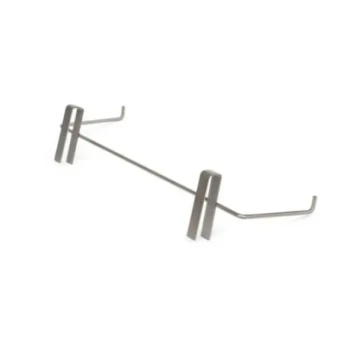
- Heavy-Duty Stainless Steel Clip-On Frame Perch
- HONESTBEE Wired and Assembled Wooden Bee Frames Foundation for a Thriving Hive
- Plastic Bee Frame Beekeeping Hive Frames for Wholesale
People Also Ask
- How do bee hive handles facilitate the evaluation of food stores? Use the Lift Test for Winter Survival
- How do the geometry and dimensions of hive handles influence operational safety and control? Expert Design Insights
- What is a bee hive tool? Discover Why It’s the Most Essential Hand Tool for Every Beekeeper
- What are the common sizes and features of bee hive tools? Choose the Right Tools for Your Apiary
- What is the role of professional hive tools in routine apiary maintenance? Expert Tips for Hive Health and Longevity