Artificial wax bowls function as a biological camouflage and physical shield. By encapsulating the virgin queen in a container made from familiar hive materials—specifically beeswax—you create a necessary buffer between the new leader and an established colony. This technique significantly reduces worker aggression by mediating scent discrepancies, directly leading to higher acceptance and survival rates for lab-reared queens.
The wax bowl technique solves the critical problem of scent-based rejection in stingless bee colonies. By leveraging the familiar chemical profile of beeswax, the bowl masks the foreign presence of a new queen, allowing the colony time to acclimate without triggering immediate defensive aggression.
The Mechanics of Biological Integration
Olfactory Mediation
Stingless bee colonies rely heavily on chemical signals to identify intruders. A new queen carries a foreign scent that can trigger immediate hostility.
Beeswax is an inherent, neutral material within the hive environment. By placing the queen inside a wax bowl, you utilize a material the workers already recognize as "safe."
This familiarity masks the queen's foreign odor, smoothing the transition during the most critical moments of introduction.
Reduction of Aggressive Behavior
Direct release of a virgin queen often results in immediate physical attacks by workers.
The wax bowl acts as a temporary physical barrier. It prevents immediate contact, giving the colony time to investigate the new arrival without the ability to immediately sting or ball the queen.
This buffer period is essential for converting an aggressive defense response into a passive acceptance process.
Technical Specifications
Optimized Volume
The recommended volume for these artificial bowls is approximately 500 mm³.
This specific size creates an adequate micro-environment for the queen. It is large enough to house her comfortably but small enough to be easily managed and accepted by the colony workers.
Standardization for Lab-Reared Queens
For beekeepers working with lab-reared stock, this method provides a repeatable standard.
Instead of relying on variable introduction methods, the 500 mm³ wax bowl offers a consistent protocol. This consistency is key to stabilizing survival rates across multiple colony divisions.
Understanding the Trade-offs
Preparation Overhead
This method requires more effort than direct release. You must fabricate or source bowls of the correct volume using clean wax.
This adds a logistical step to the colony management workflow that must be accounted for in your time planning.
Biological Variables
While this technique significantly improves survival rates, it does not guarantee 100% acceptance.
Colony temperament, the health of the virgin queen, and environmental conditions still play a role. The bowl mitigates risk, but it does not eliminate the complexities of bee biology.
Making the Right Choice for Your Goal
To apply this effectively, assess the value of your queens against the time required to prepare the bowls.
- If your primary focus is maximizing queen survival: Prioritize the use of wax bowls to provide the highest degree of protection against worker aggression.
- If your primary focus is streamlined operations: Acknowledge that while this method adds preparation time, it reduces the substantial time loss caused by failed introductions and dead queens.
By treating the introduction as a gradual integration rather than an immediate event, you align your management practices with the natural instincts of the colony.
Summary Table:
| Technical Feature | Mechanism | Benefit to Colony |
|---|---|---|
| Olfactory Mediation | Beeswax chemical masking | Reduces scent-based rejection and worker hostility |
| Physical Shielding | Temporary material barrier | Prevents immediate physical attacks on the virgin queen |
| Optimized Volume | 500 mm³ internal space | Provides stable micro-environment for lab-reared queens |
| Standardization | Repeatable protocol | Increases survival rates across multiple colony divisions |
Scale Your Apiary Success with HONESTBEE
Transitioning queens shouldn't be a gamble. At HONESTBEE, we empower commercial apiaries and distributors with the professional-grade tools and machinery needed to standardize your operations. From advanced hive-making equipment and honey-filling machines to essential industry consumables, our comprehensive wholesale portfolio is designed to enhance your efficiency and colony survival rates.
Ready to upgrade your beekeeping infrastructure? Contact us today to discover how our specialized hardware and global supply chain can support your growth and bring superior value to your customers.
References
- Charles Fernando dos Santos, Betina Blochtein. In vitro rearing of stingless bee queens and their acceptance rate into colonies. DOI: 10.1007/s13592-015-0398-2
This article is also based on technical information from HonestBee Knowledge Base .
Related Products
- Queen Bee Artificial Insemination Instrument Equipment for Instrumental Insemination
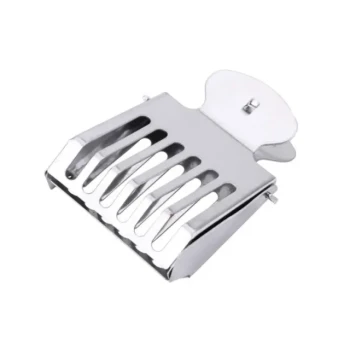
- Professional Queen Catcher and Introduction Queen Cage
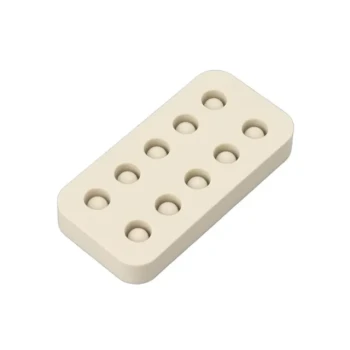
- 10-Cell Silicone Beeswax Bee Queen Cups Forming Mold
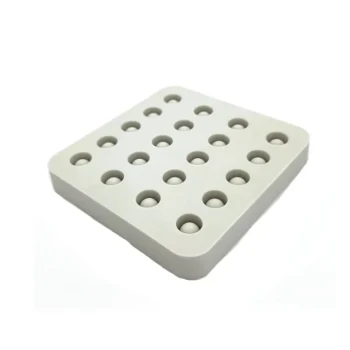
- High-Efficiency 20-Cell Silicone Mold for Beeswax Bee Queen Cup Production
- Clear Black Plain Polystyrene Queen Bee Grafting Cell Cups No Lug for Bee Queen Cup
People Also Ask
- Why is maintaining sanitary conditions important during artificial insemination? Protect Your Queen from Fatal Infections
- Why are artificial insemination instruments critical in bee hybridization? Master Genetic Control & Pure Breeding
- What is the core value of bee artificial insemination instruments in breed improvement? Achieve Precise Genetic Control
- Why is professional bee artificial insemination equipment considered a core tool for genetic control in honeybee breeding? Ensure 100% Purity
- Why is high-purity CO2 used for queen bee artificial insemination? Unlock Precision Breeding & Faster Egg-Laying