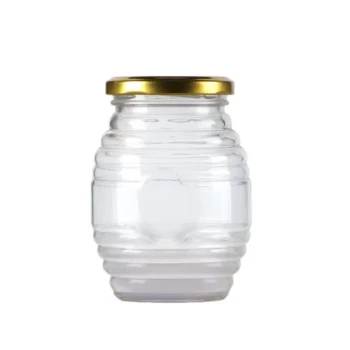
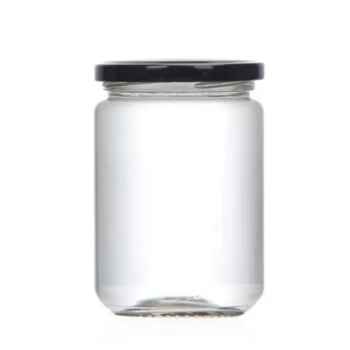
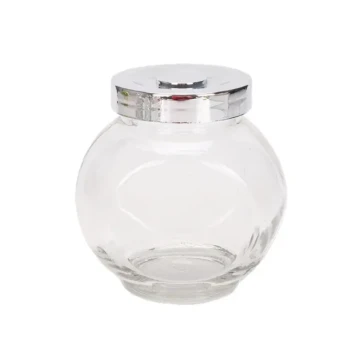
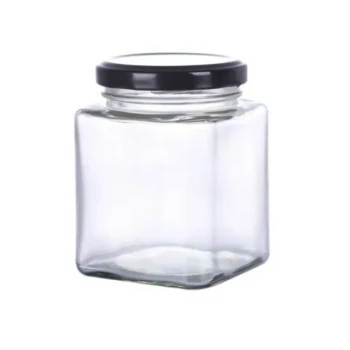
The technical superiority of glass bottles stems from their ability to provide a non-reactive, completely airtight environment that isolates medicinal bee products from external contaminants. Unlike traditional materials, glass creates an impermeable physical barrier that prevents moisture absorption and oxidation, thereby stabilizing the product's chemical composition for extended periods.
By eliminating porosity and reactivity, glass ensures that the delicate biological components—such as enzymes and antibacterial agents—remain active, whereas traditional containers often compromise these medicinal properties through exposure to air and moisture.
The Physics of Containment
Absolute Moisture Barrier
Medicinal bee products, particularly honey and royal jelly, are often hygroscopic, meaning they naturally attract and hold water molecules from the surrounding environment. Glass is non-porous, preventing humidity from penetrating the container. This is critical because excess moisture absorption can lead to fermentation and spoilage.
Airtight Sealing Capabilities
Glass bottles allow for precision-engineered seals that block airflow entirely. This airtight environment prevents oxidative stress, which can degrade the nutritional and medicinal quality of the contents over time.
Non-Reactive Surface
Glass is chemically inert. It does not leach substances into the bee product or react with the product's natural acids. This ensures the flavor profile and chemical structure remain exactly as intended by the bees.
Preserving Bio-Chemical Potency
Maintaining Enzyme Activity
The medicinal value of bee products is heavily dependent on the activity of specific enzymes. Glass protects these volatile biological catalysts from environmental fluctuations. By maintaining a stable internal atmosphere, glass ensures these enzymes do not denature or degrade.
Protecting Antibacterial Properties
Many bee products are prized for their natural antibacterial effects. To sustain this capability, the chemical integrity of the product must be preserved without interference. The non-reactive nature of glass ensures that these antibacterial compounds remain potent and effective.
The Limitations of Traditional Materials
The Problem of Porosity
Traditional containers, such as clay pots or hand-woven vessels, are inherently porous. While culturally significant, they allow air and moisture to permeate the container walls. This "breathing" effect is detrimental to medicinal bee products, often leading to rapid loss of quality.
Inability to Sustain Long-Term Storage
Due to their permeable nature, traditional materials cannot maintain the chemical stability of the product over long durations. The primary reference indicates that these materials frequently fail to preserve the medicinal value of the product, resulting in a loss of efficacy before the product is even consumed.
Making the Right Choice for Medicinal Potency
To maximize the therapeutic value of your apiculture products, align your storage choice with your preservation goals:
- If your primary focus is preserving medicinal efficacy: Choose glass to maintain the chemical stability, enzyme activity, and antibacterial properties essential for therapeutic use.
- If your primary focus is long-term storage: Choose glass to create a non-reactive, moisture-proof barrier that prevents fermentation and spoilage over time.
Glass transforms storage from a passive holding method into an active preservation strategy.
Summary Table:
| Feature | Glass Bottles | Traditional Containers (Clay/Woven) |
|---|---|---|
| Porosity | Non-porous (Absolute Barrier) | High (Permeable to air/moisture) |
| Chemical Reactivity | Inert (Non-leaching) | Potential for reaction/leaching |
| Moisture Control | Prevents fermentation/spoilage | Risk of moisture absorption |
| Enzyme Preservation | High (Maintains bio-activity) | Low (Prone to denaturing) |
| Storage Duration | Ideal for long-term stability | Limited to short-term use |
Elevate Your Apiculture Standards with HONESTBEE
At HONESTBEE, we understand that the quality of your medicinal bee products depends on the precision of your equipment and packaging. As a premier partner for commercial apiaries and global distributors, we provide a comprehensive wholesale range designed to preserve the therapeutic value of your harvest.
From advanced honey-filling machines that ensure perfect airtight seals to high-quality beekeeping tools and machinery, our portfolio supports your entire production line. Whether you are scaling a commercial operation or supplying the industry with premium consumables and honey-themed merchandise, we deliver the hardware and expertise you need to succeed.
Ready to optimize your production and preserve product potency?
Contact HONESTBEE Today for a Wholesale Consultation
References
- Meseret Gemeda, Demto Teferi. An assessment of indigenous knowledge of apitherapy in the Oromia region, Ethiopia. DOI: 10.17352/ojbs.000029
This article is also based on technical information from HonestBee Knowledge Base .
Related Products
- Classic Glass Honey Jar with Metal Lug Cap for Beehive Storage
- Classic Beehive Honey Bottle Jar with Squeeze Dispenser Lid
- Plastic Queen Bee Catcher Marker Tube Holder for Queen Marking Bottle
- HONESTBEE Entrance Bee Feeder Efficient Hive Front Liquid Feeding Solution for Beekeeping
- Plastic Transporting Bee Packages and Nuc Boxes for Beekeeping
People Also Ask
- What are the advantages of using glass jars for honey storage? Ensure Purity and Premium Appeal for Your Product
- What are the benefits of glass jars regarding strength and safety for storing honey? Ensure Purity and Long-Term Quality
- Why is a glass jar preferred for packaging honey? Ultimate Protection for Purity & Flavor
- What are the benefits of using high-transparency Glass Jars for honey? Elevate Purity and Premium Branding
- What is the best way to pack honey? Preserve Quality and Manage Crystallization