breaking the cycle of pathogen transmission is the primary technical advantage of using wax from honey super cappings. Because honey supers are geographically and functionally separated from the brood nest, wax harvested from their cappings carries a significantly lower viral and bacterial load than recycled brood comb. This provides a clean raw material for manufacturing foundations that minimizes the risk of reintroducing European Foulbrood (EFB).
Core Takeaway Honey supers are utilized for resource storage rather than larval rearing, meaning the wax found in cappings has rarely, if ever, been in contact with infected brood. Utilizing this high-purity wax for foundation renewal allows you to retain the benefits of natural beeswax while effectively removing the primary vector for EFB transmission.
The Mechanics of Disease Control
Functional Separation of Hive Areas
The hive is divided into distinct zones: the brood chamber (rearing) and honey supers (storage). European Foulbrood is a disease that specifically targets honeybee larvae.
Because honey supers are restricted to honey storage, the wax generated there—specifically the cappings used to seal honeycomb—is isolated from the active brood cycle.
Reduction of Pathogen Load
Wax acts as a sponge for environmental and biological contaminants. Wax recycled from the brood chamber has a high probability of harboring dormant EFB pathogens because it has physically housed infected larvae.
In contrast, wax from super cappings acts as a virgin material. It has a significantly lower probability of contamination, making it chemically and biologically superior for creating a sanitary environment for new colony growth.
Application in Foundation Renewal
Creating a Sanitary Interface
When renewing foundations, the goal is to provide a substrate that encourages rapid comb building without introducing disease.
By processing cappings wax into new foundations, you are effectively "resetting" the hive's biosecurity. This ensures that the very first surface the bees interact with is free from the historical pathogen load of the previous seasons.
Enhancing Hive Acceptance
While the primary goal is disease management, the quality of the wax also dictates colony performance.
Bees are more likely to accept and draw out foundations coated in high-quality, recognizable beeswax. Using pure cappings wax ensures the foundation remains attractive to the colony, promoting rapid build-out while maintaining the "clean room" standard required to manage EFB.
Understanding the Trade-offs
Quantity vs. Quality
The main limitation of this strategy is volume. Cappings wax represents a small fraction of the total wax production of a hive compared to the volume available in brood frames.
Strict Segregation Required
To maintain the technical advantage of this method, absolute discipline during harvest is required. Even a small amount of wax mixed in from the brood chamber can compromise the purity of the cappings wax, negating the EFB risk-control benefits.
Making the Right Choice for Your Goal
To effectively manage EFB risks while maintaining apiary productivity, consider the following:
- If your primary focus is Disease Eradication: Exclusively use wax from honey super cappings for manufacturing new foundations to ensure the lowest possible pathogen count.
- If your primary focus is Foundation Durability: Utilize plastic foundations but coat them heavily with your clean cappings wax to combine hardware longevity with a sanitary, attractive surface for the bees.
True biosecurity in the apiary starts with the purity of the foundation you provide to your bees.
Summary Table:
| Feature | Brood Chamber Wax | Honey Super Cappings Wax |
|---|---|---|
| Primary Use | Larval Rearing | Honey Storage |
| Pathogen Risk | High (Direct contact with larvae) | Minimal (Virgin wax source) |
| Chemical Purity | Often contains residues | Very high/Clean |
| EFB Management | Can reintroduce dormant spores | Effectively breaks the disease cycle |
| Best Application | General wax rendering | High-quality foundation renewal |
Secure Your Apiary’s Health with HONESTBEE Professional Solutions
Effective disease management starts with superior equipment and clean biological inputs. At HONESTBEE, we empower commercial apiaries and distributors by providing the specialized tools needed to maintain a biosecure environment. Whether you are scaling up production or combating pathogens like EFB, our comprehensive wholesale portfolio has you covered:
- High-Performance Machinery: From precision hive-making to advanced honey-filling machines.
- Quality Beekeeping Tools: A full spectrum of durable hardware and essential consumables.
- Specialized Foundation Support: Equipment designed to help you process high-purity cappings wax into superior foundations.
Don't let disease compromise your productivity. Partner with HONESTBEE for professional-grade equipment that ensures long-term colony success.
Contact Our Experts Today to Discuss Your Wholesale Needs
References
- C. Roy, Stephanie Franco. Investigation of an atypical case of European foulbrood in France. DOI: 10.1002/vrc2.45
This article is also based on technical information from HonestBee Knowledge Base .
Related Products
- Honey Wax Separating Wax Press with Metal Screw Wax Separator Machine
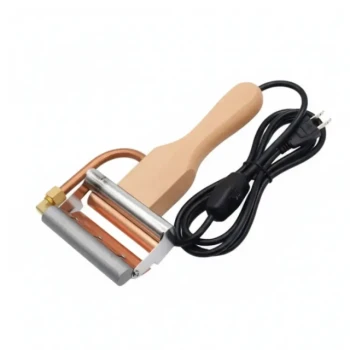
- Professional Honey Uncapping Roller for Efficient Harvesting
- Professional Honey Scraper for Efficient Apiary Maintenance
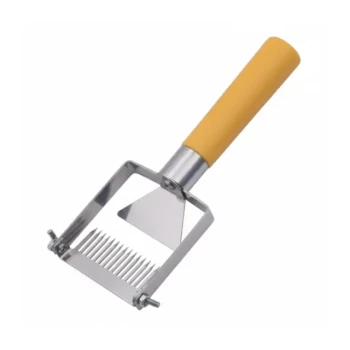
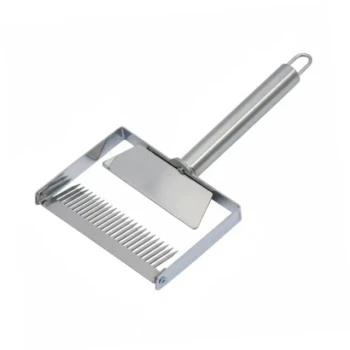
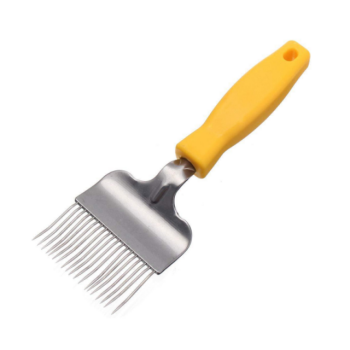
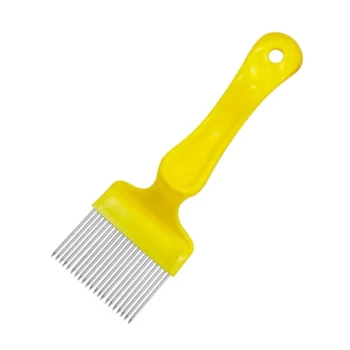
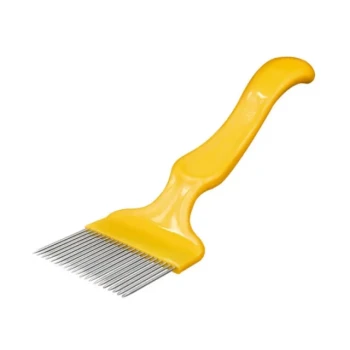
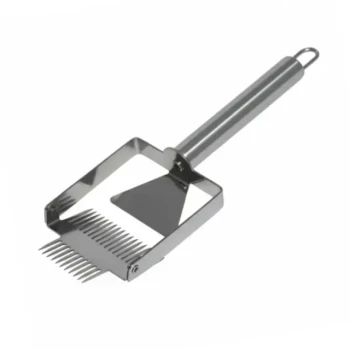
- Adjustable Stainless Steel Honey Uncapping Fork with Plastic Handle for Beekeeping
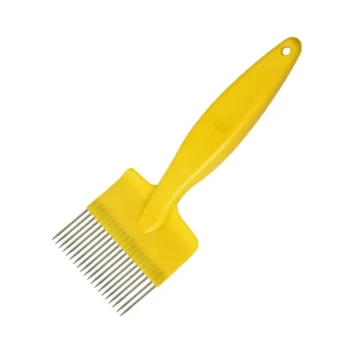
- Professional Durable Plastic Handle Honey Uncapping Fork
People Also Ask
- How do I separate honey from wax? A Two-Stage Process for Maximum Yield
- How do you separate honey from wax cappings? Choose the Best Method for Your Harvest
- How do you separate honey from wax at home? A Simple Guide to Zero-Waste Harvesting
- What is the importance of separating honey from wax? Master Product Purity & Processing Efficiency
- What temperature does wax separate from honey? Achieve Clean, Efficient Honey Rendering