Preserving the biochemical integrity of honey requires a precise combination of physical containment and environmental control. Technically, using high-sealing screw-cap plastic containers alongside low-temperature (4°C) dark storage effectively halts oxidation, enzymatic browning, and the dissipation of volatile flavor compounds. This protocol ensures the honey's sensory profile and chemical composition remain stable from the field to the laboratory, providing an accurate baseline for scientific analysis.
Core Takeaway Honey is a chemically active and hygroscopic substance that degrades rapidly under improper conditions. The combination of airtight plastic sealing and cold, dark storage acts as a "pause button" on biological activity, suppressing enzymatic changes and fermentation to ensure laboratory data reflects the honey's true origin rather than storage artifacts.
Mechanisms of Chemical Preservation
Suppressing Oxidation and Browning
The primary technical benefit of this storage method is the stabilization of honey's visual and chemical properties.
High-sealing containers combined with a dark environment prevent light-induced oxidation and enzymatic browning. This ensures the honey maintains its original color and biochemical characteristics, which are critical for sensory analysis.
Retaining Volatile Compounds
Honey possesses a complex profile of volatile compounds that define its unique aroma and flavor.
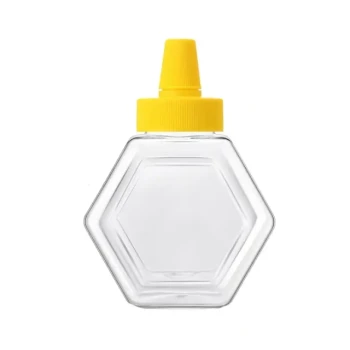
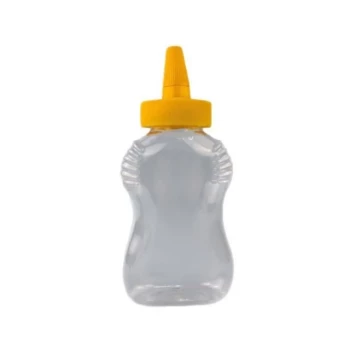
High-sealing screw caps create a barrier that traps these volatiles inside the container. Without this seal, these compounds would dissipate, altering the sensory profile and making origin traceability difficult or impossible.
Inhibiting Enzymatic Activity
Honey naturally contains enzymes that remain active after harvest.
Storing samples at 4°C significantly slows down these enzymatic reactions. This prevents the degradation of specific markers used to verify the honey's quality and freshness.
Moisture Control and Physical Integrity
Managing Hygroscopy
Honey is highly hygroscopic, meaning it aggressively absorbs moisture from the surrounding atmosphere.
Airtight, industrial-grade plastic containers provide a moisture barrier that is superior to traditional porous vessels like clay pots. By blocking atmospheric moisture, the container prevents the water content from rising, which ensures the accuracy of initial moisture measurements.
Preventing Fermentation
The stability of honey is directly linked to its water content and microbial load.
By maintaining a seal against moisture and keeping the temperature at 4°C, the growth of osmophilic yeasts is inhibited. This effectively prevents fermentation and spoilage, even over storage periods extending 18 to 22 months.
Durability in Transport
Field collection often occurs in rugged terrain where glass or clay containers are prone to breakage.
High-quality plastic containers offer impact resistance and are lightweight. This solves the fragility issues associated with traditional sampling vessels, ensuring the physical sample survives transport without loss or contamination.
Understanding the Trade-offs
Plastic vs. Glass for Trace Analysis
While the primary reference advocates for plastic due to its sealing capabilities and durability, it is important to note a specific limitation regarding chemical analysis.
If your analysis focuses on trace metals, plastic packaging can introduce potential contamination. In scenarios requiring strict mineral profiling, clean glass bottles may be preferred to prevent chemical migration, despite their fragility.
Temperature Fluctuations
The efficacy of this method relies on a consistent "cold chain."
If the temperature fluctuates significantly above 4°C during transport, microbial activity may resume. The high-sealing nature of the container would then trap the resulting gases from fermentation, potentially compromising the sample headspace.
Making the Right Choice for Your Goal
To ensure your sampling method aligns with your analytical objectives, consider the following:
- If your primary focus is Sensory Profiling and Origin Traceability: Use high-sealing screw-cap plastic containers at 4°C to lock in volatile aromatics and prevent enzymatic browning.
- If your primary focus is Trace Metal Analysis: Consider using acid-washed glass containers to eliminate the risk of plastic leaching, while still maintaining cold, dark conditions.
- If your primary focus is Long-term Storage: Prioritize sterilization-grade polyethylene bottles to inhibit osmophilic yeasts and prevent fermentation for periods up to 22 months.
By controlling the atmosphere, temperature, and light exposure, you transform honey storage from a passive process into an active preservation strategy that guarantees data accuracy.
Summary Table:
| Feature | Technical Benefit | Impact on Honey Quality |
|---|---|---|
| High-Sealing Screw Cap | Moisture & Volatile Barrier | Prevents hygroscopic water gain and preserves aroma profile. |
| Dark Storage | Blocks UV/Visible Light | Prevents photo-oxidation and enzymatic browning. |
| 4°C Temperature | Kinetic Energy Reduction | Inhibits osmophilic yeast growth and slows enzymatic degradation. |
| Plastic Material | Impact Resistance | Ensures sample integrity during transport in rugged field conditions. |
Elevate Your Honey Quality with Professional Equipment
At HONESTBEE, we understand that maintaining the biochemical integrity of honey—from the field to the final jar—is the foundation of your success. Whether you are a commercial apiary or a global distributor, our comprehensive wholesale solutions are designed to support every stage of your operation.
Why Partner with HONESTBEE?
- Complete Equipment Range: From specialized hive-making and honey-filling machines to a full spectrum of durable beekeeping tools.
- Premium Consumables: We supply high-quality, industrial-grade storage and packaging solutions that meet the rigorous standards for preservation and transport.
- Scalable Solutions: Our portfolio caters to the high-volume needs of distributors and commercial beekeepers, ensuring your business stays efficient and competitive.
Protect your harvest and enhance your brand with the industry's most reliable hardware and merchandise. Contact us today to explore our wholesale catalog!
References
- Sandra Médici, Sandra Fuselli. Characterization of Argentine honeys based on odour, colour and flavour attributes by descriprive sensory analysis. DOI: 10.18380/szie.colum.2023.10.2.37
This article is also based on technical information from HonestBee Knowledge Base .
Related Products
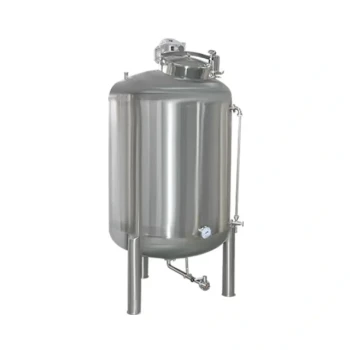
- Stainless Steel Honey Storage Tank with Lid for Honey
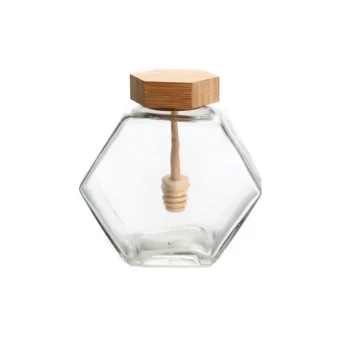
- Hexagonal Glass Honey Jar with Wooden Lid Integrated Dipper Elegant Functional Storage
- Stainless Steel Honey Storage and Settling Tank with Double Strainer
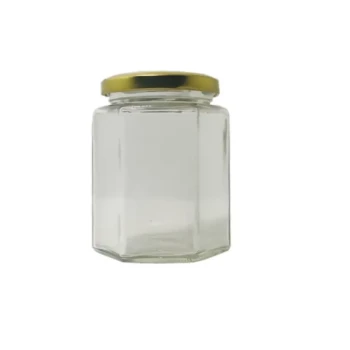
- Hexagonal Glass Honey Jars with Metal Lug Caps Elegant Versatile Packaging
- Professional Honey Storage Tank with Agitation System
People Also Ask
- What economic role do honey storage tanks play? Boost Your Revenue Through Strategic Inventory Management
- What roles do industrial honey storage tanks and filtration meshes play in processing? Ensure Purity & Consistency
- What is the purpose of a honey storage tank? Streamline Your Honey Processing for Quality & Efficiency
- What are honey storage tanks used for? Essential Features for Quality Preservation and Profit
- How do large honey storage tanks and gravity fall filling systems improve honey packaging efficiency and safety?