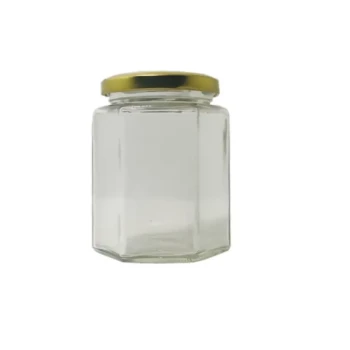
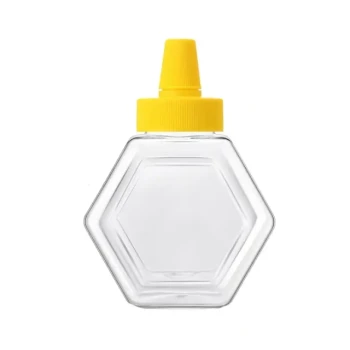
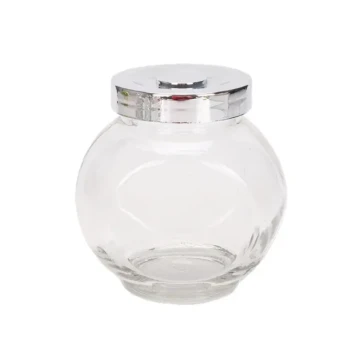
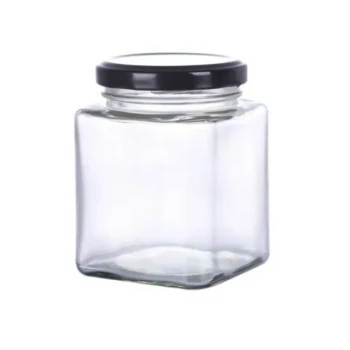
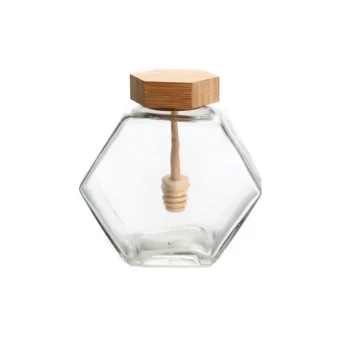
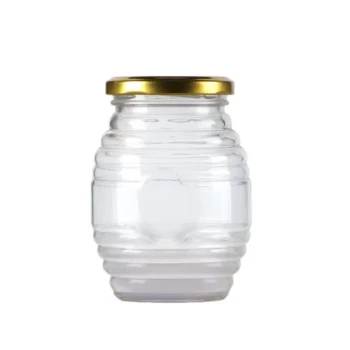
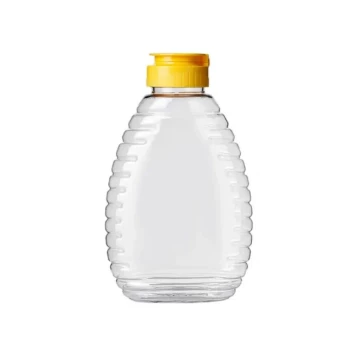
High-transparency glass packaging represents the technical pinnacle for premium honey preservation, primarily due to its dense molecular structure and chemical inertness. Unlike plastic alternatives, glass provides a superior barrier against oxygen and moisture, effectively preventing oxidation and fermentation while ensuring no plasticizers or contaminants leach into the product. This material choice simultaneously secures the biological integrity of the honey and allows for immediate visual verification of quality by the consumer.
Core Takeaway High-transparency glass offers a dual advantage of absolute chemical stability and uncompromising visibility. It creates a hermetic environment that locks in volatile aromatics and therapeutic properties, while serving as a clear display window that lowers the consumer's barrier to purchase.
Preserving Chemical and Biological Integrity
Total Chemical Inertness
The primary technical advantage of glass is its lack of reactivity. High-quality glass creates a stable environment where no chemical interaction occurs between the container and the contents.
This eliminates the risk of plasticizers or other harmful substances migrating into the honey. This is critical for premium products where purity is a key selling point.
Maintaining Biological Activity
Honey contains unstable antibacterial components, such as hydrogen peroxide, which contribute to its therapeutic value as a natural medicine.
Glass packaging is essential for maintaining the stability of these biologically active compounds. By preventing chemical interference, glass ensures the honey retains its medicinal efficacy over time.
The Physics of Preservation
The Oxygen and Gas Barrier
Glass offers superior gas barrier properties compared to plastic. It effectively blocks the entry of oxygen, which is the primary cause of oxidation in food products.
This barrier also prevents the loss of volatile aromatic substances. It locks in the unique floral notes that define premium honey varieties while blocking the penetration of external odors that could taint the flavor profile.
Combating Hygroscopy
Honey is highly hygroscopic, meaning it naturally absorbs moisture from the surrounding air. If water content rises, honey can ferment and spoil.
Glass bottles provide an airtight structure that isolates the honey from humidity. This physical barrier is vital for preventing fermentation and significantly extending the shelf life of the product.
Thermal Stability
During the bottling process, glass can withstand higher filling temperatures without deformation.
This allows for more rigorous processing standards and ensures the container maintains its structural integrity and volume precision, regardless of thermal stress during filling.
Visual Technicalities and Consumer Trust
Inspection of Physical State
High-transparency glass is not merely an aesthetic choice; it is a functional tool for quality assurance. It allows consumers to visually inspect the viscosity, color, and clarity of the liquid.
Monitoring Crystallization
Crystallization is a natural process in raw honey, but it can confuse consumers. Transparent packaging allows the buyer to see the texture and crystallization state clearly.
By making the product's condition visible, you utilize visual perception to lower the consumer's decision-making threshold, building trust through transparency.
Understanding the Implementation Nuances
The Importance of Closure Integrity
While the glass body offers superior barrier properties, the system is only as effective as its seal.
To fully leverage the technical benefits of glass, the closure mechanism (lid and liner) must provide an equivalent barrier against moisture and oxygen. A failure in the seal negates the preservation advantages of the glass container.
Handling and Weight Factors
Glass possesses a dense molecular structure, which contributes to its inertness but also increases the package weight and fragility compared to plastic.
While this conveys a "premium" tactile feel, it requires robust logistics planning to prevent breakage and manage the higher shipping costs associated with heavier, rigid containers.
Making the Right Choice for Your Goal
To maximize the value of your packaging, align the technical benefits of glass with your specific product strategy:
- If your primary focus is Therapeutic Grade Honey: Prioritize glass for its chemical inertness to protect unstable antibacterial components like hydrogen peroxide.
- If your primary focus is Artisanal/Varietal Honey: Leverage the gas barrier properties of glass to lock in specific, volatile floral aromas that differentiate your variety.
- If your primary focus is Consumer Trust: Utilize high-transparency glass to showcase natural crystallization and color, proving the product's purity before purchase.
Ultimately, glass acts as both a fortress for the product's chemistry and a stage for its natural beauty.
Summary Table:
| Feature | Technical Benefit | Impact on Honey Quality |
|---|---|---|
| Chemical Inertness | Zero leaching of contaminants | Preserves biological integrity & purity |
| Gas Barrier | Blocks oxygen & locks volatiles | Prevents oxidation & maintains floral aroma |
| Moisture Control | Airtight hermetic sealing | Prevents fermentation & hygroscopic spoilage |
| Thermal Stability | High heat resistance | Allows high-temp filling without deformation |
| Transparency | Visual quality verification | Enables inspection of color, viscosity & state |
Elevate Your Honey Brand with Premium Packaging Solutions
At HONESTBEE, we understand that world-class honey deserves world-class protection. As a dedicated partner to commercial apiaries and distributors, we offer a comprehensive wholesale portfolio designed to enhance your operational efficiency and market appeal.
By choosing our high-transparency glass solutions and professional-grade equipment, you gain:
- Unmatched Preservation: Safeguard therapeutic properties and volatile aromas.
- End-to-End Support: From premium glass bottles to advanced honey-filling machines and hive-making hardware.
- Market Differentiation: Access to unique honey-themed cultural merchandise and industrial consumables that set your brand apart.
Ready to scale your production and captivate your customers? Contact HONESTBEE today to discover our full spectrum of beekeeping tools and machinery tailored for your growth.
References
- Verina Ingram, Aske Skovmand Bosselmann. To Label or Not? Governing the Costs and Benefits of Geographic Indication of an African Forest Honey Value Chain. DOI: 10.3389/ffgc.2020.00102
This article is also based on technical information from HonestBee Knowledge Base .
Related Products
- Hexagonal Glass Honey Jars with Metal Lug Caps Elegant Versatile Packaging
- Hexagonal Squeeze Honey Bottle with No Drip Lid
- Classic Drum Shaped Glass Honey Jar with Airtight Lid
- Modern Square Glass Honey Jar with Twist Off Lid
- Classic Round Glass Honey Jar with Lid
People Also Ask
- What is the aesthetic appeal of using glass jars for honey? Elevate Your Brand with Premium Packaging
- What are the logistical challenges associated with using glass jars for honey packaging? Navigating Weight & Fragility
- What are the advantages of glass containers for honey? Elevate Quality and Market Value with Premium Packaging
- What are the technical advantages of using glass jars for honey? Master Commercial Packaging for Premium Purity
- What are the advantages of using glass jars for honey packaging? Preserve Purity & Elevate Your Brand