Light-colored, high-density fabrics form the non-negotiable foundation of technical design for beekeeping protective gear. To ensure operator safety, suits must minimize visual provocation through color choice while maximizing physical protection via a sealed facial net and robust, breathable material construction.
Core Takeaway The most effective protective gear balances three competing requirements: it must be light in color to reduce bee aggression, dense enough to prevent stings, yet sufficiently breathable to prevent heat exhaustion. Success relies on a "total seal" philosophy, particularly around the head and extremities, to ensure no gap allows insect entry.
Fabric Specifications and Material Engineering
Color as a Passive Defense
Light-colored fabrics are a mandatory design requirement. Dark colors are scientifically known to provoke honeybee aggression, making the wearer a target.
By utilizing white or pastel shades, the suit acts as a visual deterrent rather than a stimulant. This passive defense mechanism is the first line of protection before the bee even lands.
Density vs. Breathability
The material must be dense enough to physically stop a stinger from reaching the skin. However, this density cannot come at the cost of air circulation.
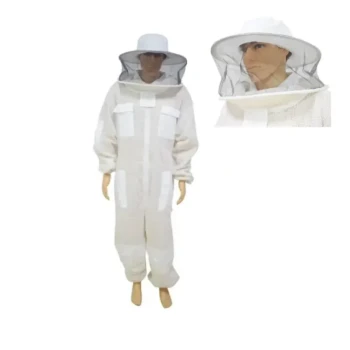
Modern designs often utilize triple mesh constructions or high-quality air mesh. These multi-layered fabrics provide the necessary thickness to block stings while allowing superior ventilation to reduce operator fatigue.
Durability for Field Operations
Beekeeping environments are abrasive; gear must withstand snagging on hive boxes and vegetation. High durability is essential to prevent tears that could compromise the suit’s integrity during long periods of operation.
Facial Net (Veil) Architecture
The Primary Barrier Principle
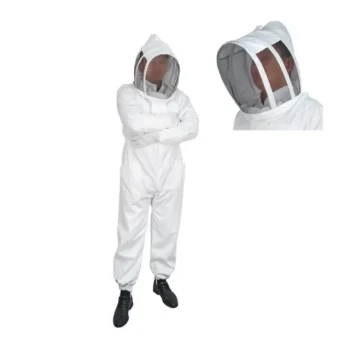
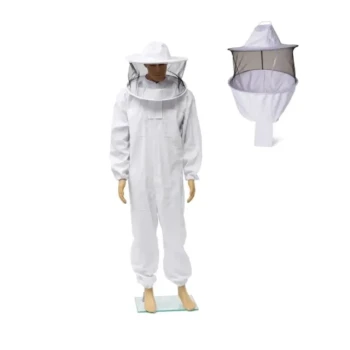
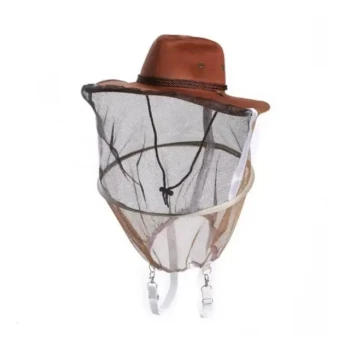
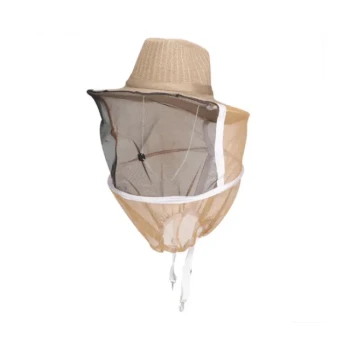
The facial net is the most critical safety component and must provide a completely enclosed seal around the head and neck.
Any gap in this seal renders the protection useless. The design must integrate seamlessly with the collar of the suit to act as an impenetrable primary barrier against stings to the sensitive face and neck areas.
Optical Clarity
The mesh used in the veil must offer clear visibility. A beekeeper needs unobstructed sight lines to inspect larvae and identify the queen without straining their eyes.
Weight and Balance
The net structure must be lightweight. A heavy or poorly balanced veil can cause neck strain, distracting the operator from the precise movements required during hive inspections.
Structural Integrity and Fit
Secure Extremity Closures
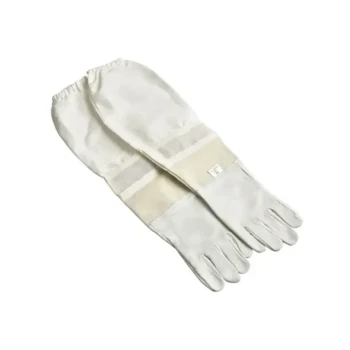
Bees will crawl upwards and seek dark crevices; therefore, open sleeves or pant legs are safety hazards. Technical designs must feature elastic cuffs at the wrists and ankles.
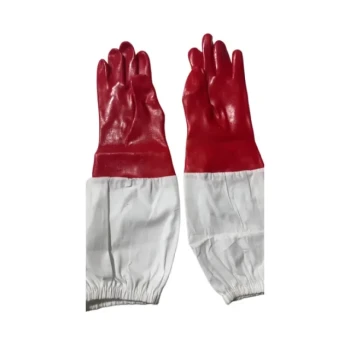
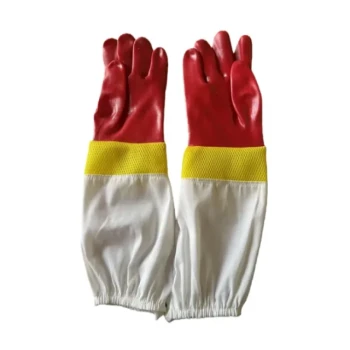
These closures provide a secure fit that prevents bees from entering the suit's interior. This feature allows the suit to interface effectively with gloves and boots for total coverage.
Sizing and Mobility
The cut of the suit must allow for necessary freedom of movement.
A suit that is too tight will stretch the fabric against the skin, allowing stings to penetrate. Proper sizing ensures a layer of air remains between the fabric and the wearer, adding a secondary buffer against stings.
Understanding the Trade-offs: Coverage vs. Convenience
While technical specifications for the materials remain consistent, the form factor forces a choice between total isolation and ease of use.
The Full Suit
A full-body suit offers comprehensive protection from head to toe. It is the superior choice for aggressive hives or long-duration inspections. However, it is more cumbersome to put on and can retain more heat, increasing the risk of fatigue in hot weather.
The Jacket and Veil Combo
A jacket offers protection for the upper body and head only, leaving legs exposed. This provides greater ventilation and is less cumbersome for quick tasks. The trade-off is a significant reduction in lower-body safety, requiring the user to accept a higher risk profile for the sake of convenience.
Making the Right Choice for Your Goal
Selecting the correct gear requires aligning the technical design with your specific operational intensity.
- If your primary focus is long-duration inspections: Prioritize a full-body suit with triple mesh construction to maximize ventilation while maintaining total sting protection.
- If your primary focus is brief, low-intensity assessments: Utilize a jacket with a high-visibility veil to balance upper-body safety with speed and cooling.
- If your primary focus is minimizing aggression: Ensure strictly light-colored fabrics are used, regardless of whether you choose a jacket or a full suit.
The best protective equipment is that which renders you invisible to the colony's aggression while physically sealing you off from their defense mechanisms.
Summary Table:
| Feature | Technical Requirement | Benefit |
|---|---|---|
| Fabric Color | White or light pastel shades | Minimizes bee aggression and provocation |
| Material | Triple mesh or high-density fabric | Prevents sting penetration while ensuring breathability |
| Facial Net | 360° sealed mesh with optical clarity | Protects sensitive face/neck areas with clear visibility |
| Closures | Elasticated wrists and ankle cuffs | Prevents bees from entering suit through extremities |
| Fit Design | Loose-cut / Oversized fit | Creates a protective air buffer between fabric and skin |
Secure Your Apiary Operations with HONESTBEE
At HONESTBEE, we understand that for commercial apiaries and distributors, safety and durability are the foundations of a successful harvest. We supply a comprehensive range of professional-grade beekeeping tools, machinery, and essential consumables—from hive-making and honey-filling machines to high-performance protective gear designed for the rigors of large-scale operations.
Why partner with us?
- Wholesale Excellence: Competitive pricing on full-spectrum beekeeping hardware.
- Industrial Strength: Equipment built to withstand intensive field use.
- Global Distribution: Reliable supply chains for tools, clothing, and honey-themed merchandise.
Enhance your productivity and protect your team with the industry’s most reliable equipment. Contact HONESTBEE today for wholesale inquiries and expert support!
References
- Inna Moskaliuk, K. O. Khamid. Analysis of the state of beekeeping industry in Ukraine, features of the organization of labor protection and improvement of safety rules with bees. DOI: 10.15587/2313-8416.2018.129317
This article is also based on technical information from HonestBee Knowledge Base .
Related Products
- Premium Cotton Beekeeper Suit with Reinforced Fencing Veil
- White Cotton Beekeeping Jacket and Veil for Bee Keepers
- Beekeeping Jacket with Hood and Veil for Beekeepers
- Professional Beekeeping Suit for Kids and Girls Childrens Bee Keeper Suit
- Professional Cotton Beekeeper Suit with Round Veil Design for Commercial Apiaries
People Also Ask
- What material and design specifications are recommended for a high-quality beekeeper suit? Top Gear Selection Guide
- How to Pre-treat Propolis Stains on Beekeeping Suits? Master Advanced Fabric Care and Soil Removal
- What features should be considered for sting protection in a beekeeping suit? Ensure Total Safety and Comfort
- What are the differences between full suits and jackets with veils in beekeeping? Choose Your Best Protection
- What features should be looked for in a beekeeping suit for maximum comfort? Prioritize Ventilation and Fit