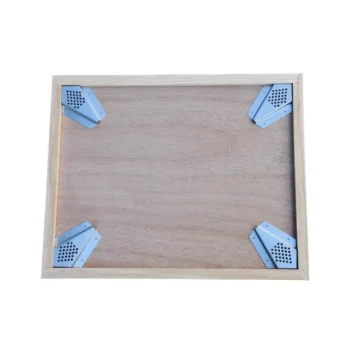
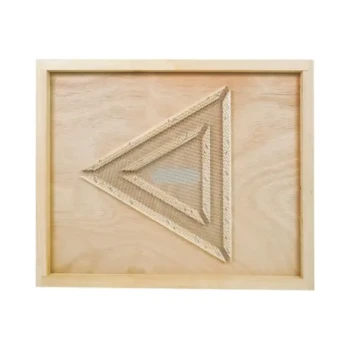
The 3x3mm metal grid functions as a sophisticated, multi-purpose interface between the hive environment and the outside world. Technically, it acts as a selective mechanical filter that automates waste removal, facilitates passive thermodynamic regulation, and enables non-intrusive biological monitoring.
By decoupling the living colony from its waste products and utilizing natural convection, the grid optimizes hive hygiene and airflow while providing a secure separation layer for critical pest management.
Mechanical Hygiene and Debris Management
Gravity-Fed Waste Removal
The specific mesh dimension serves as a passive sieve. It allows natural hive debris—such as wax cappings and pollen droppings—to fall through the bottom of the hive via gravity.
Maintaining Internal Cleanliness
By permitting debris to exit the immediate living space, the grid prevents the accumulation of organic matter on the hive floor. This reduces the substrate available for mold growth and secondary pests within the colony.
Thermodynamic Regulation
Passive Convection Intake
The grid utilizes convection principles to drive airflow. As warm air rises from the bee cluster, cool fresh air is drawn in through the open mesh bottom.
Enhanced Air Circulation
This continuous air exchange prevents stagnation. It ensures the colony has a steady supply of oxygen while helping to regulate humidity and temperature through natural ventilation dynamics.
Non-Destructive Biological Monitoring
The Varroa Separation Layer
The grid creates a critical physical barrier between the bees and the monitoring tray below. When Varroa mites naturally fall or are groomed off bees, they pass through the mesh but cannot crawl back up to re-infest the host.
Observation Without Disruption
This structural separation allows the apiarist to count fallen mites and assess infestation levels. Crucially, this monitoring can be performed without opening the hive or disturbing the colony's normal activities.
Understanding the Trade-offs
Insulation vs. Ventilation
While the grid excels at ventilation, it offers less thermal protection than a solid bottom board. In extremely cold climates or during high winds, the open mesh can reduce the hive's ability to retain heat.
Seasonal Adjustments
Solid bottom boards are often preferred or retrofitted during winter to protect against wind chill. The technical advantage of the grid—airflow—can become a liability if not managed during periods where thermal retention is the priority.
Making the Right Choice for Your Goal
The decision to rely on a metal grid versus a solid board depends on your immediate environmental objectives.
- If your primary focus is Pest Management and Hygiene: The 3x3mm grid is essential for accurate Varroa monitoring and reducing mold-promoting debris.
- If your primary focus is Thermal Conservation: A solid bottom board (or closing the grid) is superior for insulating the colony against severe cold and wind chill.
The 3x3mm grid transforms the bottom board from a simple floor into an active tool for sanitation and ecosystem monitoring.
Summary Table:
| Feature | Technical Function | Benefit to Colony |
|---|---|---|
| Sieve Mesh | Passive gravity-fed waste removal | Reduces mold and debris accumulation |
| Open Surface | Passive convection air intake | Regulates humidity and oxygen levels |
| Physical Barrier | Mechanical Varroa separation | Enables monitoring without re-infestation |
| Structural Design | Non-destructive monitoring | Assessment without hive disruption |
Elevate Your Apiary with HONESTBEE Precision Equipment
At HONESTBEE, we specialize in empowering commercial apiaries and distributors with the highest-grade beekeeping solutions. Whether you are scaling up production or outfitting a regional distribution network, our comprehensive wholesale catalog has you covered.
From advanced 3x3mm mesh bottom boards to industrial-grade honey-filling machines and hive-making hardware, we provide the tools needed to maximize hive hygiene and operational efficiency. Partner with us to access professional-tier beekeeping machinery, essential industry consumables, and unique honey-themed cultural merchandise.
Ready to upgrade your wholesale supply chain?
Contact HONESTBEE Today to discuss our bulk pricing and tailored equipment packages.
References
- Kibebew Wakjira, Robert Brodschneider. Smart apiculture management services for developing countries—the case of SAMS project in Ethiopia and Indonesia. DOI: 10.7717/peerj-cs.484
This article is also based on technical information from HonestBee Knowledge Base .
Related Products
- Langstroth Solid Bottom Board for Beekeeping
- Solid Bottom Board Australian Pine Wood Langstroth Bottom Board for Wholesale
- Langstroth Screen Bottom Board for Beekeeping Wholesale
- HONESTBEE 4-Way Metal Corner Wooden Bee Escape Board
- HONESTBEE Durable Frame Wiring Board with Integrated Tensioner
People Also Ask
- What are the functions of solid bottom boards for a beehive? Essential Thermal Protection and Winter Survival Tips
- What is the purpose of a solid bottom board for bee hives? Enhance Hive Health and Winter Survival
- How does climate influence the choice between a solid and screened bottom board? Optimize Your Hive for Local Weather
- What is the primary function of a bottom board in a modern modified beehive system? Essential Foundation Guide
- What are the characteristics of a solid bottom board for a beehive? Boost Colony Health and Thermal Insulation