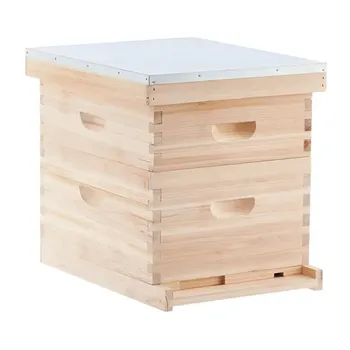
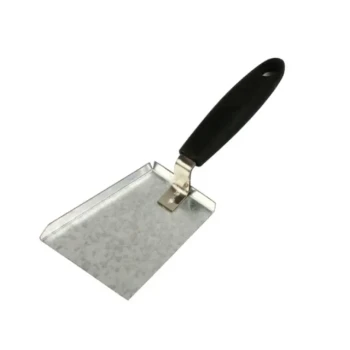
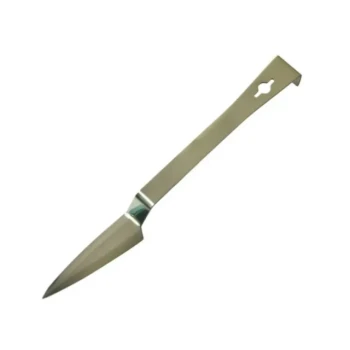
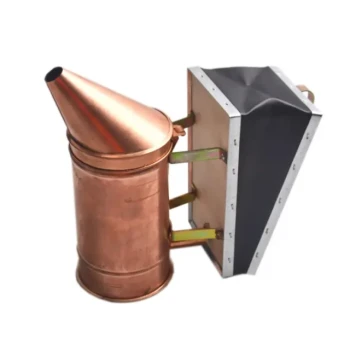
The recommended approach is to combine early diagnosis, strict equipment hygiene, and rapid replacement of contaminated comb. For EFB, management may include nutritional support, approved treatment under veterinary or regulatory guidance, removal of affected brood, requeening, and a controlled shook swarm. For AFB, especially confirmed or severe infections, the priority is containment and destruction of infected comb and equipment rather than attempting to preserve the colony.
Core takeaway: Disease control depends on breaking the transmission cycle. Standardized replacement hive bodies, frames, foundation, covers, feeders, and sanitation tools allow beekeepers to isolate affected colonies and perform corrective work quickly, while AFB cases must be managed according to local legal and veterinary requirements.
Build a Protocol Around Early Detection
Inspect brood systematically
Inspect brood frames in good light, holding the frame by its top bar with sunlight coming over the beekeeper’s shoulder. EFB commonly presents as scattered brood, uncapped larvae, and twisted or yellowish-tan larvae.
AFB may produce irregular brood, sunken or perforated cappings, and decaying larvae. A positive field diagnosis should be confirmed through an approved laboratory or competent bee-health authority because treatment and destruction requirements vary by jurisdiction.
Separate suspected colonies immediately
Mark suspected colonies and stop moving their frames, supers, bees, or tools to other colonies. Avoid exchanging equipment between apiaries until the diagnosis and sanitation status are clear.
Maintain written records of colony identity, symptoms, equipment movements, treatments, and destruction or sterilization actions. These records are especially important for commercial operators and regulated disease-control zones.
Use dedicated inspection equipment
Keep separate hive tools, gloves, protective clothing, and transport containers for suspect or confirmed colonies whenever possible. If shared equipment is unavoidable, clean and disinfect it before it contacts another colony.
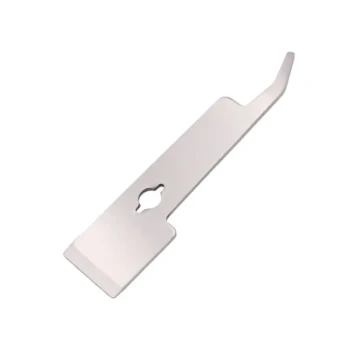
Hive tools should be scraped free of wax and propolis, then disinfected using a method appropriate for the material. Mechanical cleaning is essential because organic residue can shield bacterial spores from disinfectants.
Use Shook Swarms Where They Are Appropriate
Understand the purpose of a shook swarm
A shook swarm transfers adult bees into a disinfected hive body containing clean frames fitted with fresh foundation. The old brood comb and contaminated material are removed from the production system.
This technique breaks contact between adult bees and contaminated comb while forcing the colony to rebuild its nest. It is commonly considered for EFB and selected lower-risk situations, but it is not a universal substitute for legally required AFB destruction.
Prepare replacement equipment in advance
A commercial shook-swarm protocol requires:
- Disinfected hive bodies
- New or properly sterilized frames
- Fresh foundation
- Clean floors, roofs, and inner covers
- Dedicated feeders
- Clean transport boxes or containers
- Protective clothing and sanitation supplies
Standardized, readily replaceable components are valuable because they reduce delays during an outbreak. Distributors and commercial apiaries should maintain sufficient stock to replace complete hive sets, not only individual frames.
Prevent recontamination during transfer
Perform the transfer away from healthy colonies and keep old and new equipment physically separated. Do not place contaminated frames, honey, pollen, or debris near the receiving hive.
After the bees are transferred, clean the work area, tools, gloves, and transport equipment before moving to another colony. A shook swarm fails if contaminated material is subsequently returned to the replacement hive.
Manage EFB With Colony-Level Corrections
Remove affected brood and comb
Where permitted and practical, remove heavily affected brood and replace contaminated frames with fresh foundation. Manual removal of visibly diseased larvae may assist with light cases, but it should not replace broader colony management.
EFB does not typically produce the characteristic ropy larval remains associated with AFB. Field signs alone are not always conclusive, so uncertain cases should be professionally tested.
Correct nutritional and environmental stress
EFB is more likely to become clinically significant when colonies face nutritional stress, poor weather, or inadequate brood-rearing conditions. Early-spring feeding and appropriate hive insulation can help prevent cold stress and feed shortages from worsening the situation.
Feeders should be clean, correctly sized, and dedicated to the colony being treated. Avoid practices that encourage robbing, because robbing can spread contaminated material between colonies.
Use medication only under approved guidance
Registered treatments, such as oxytetracycline products where legally authorized, must be used according to the current product label, veterinary direction, and residue rules. Use a controlled internal feeder when appropriate, and prevent medicated syrup from entering honey intended for commercial sale.
Colonies under treatment should be excluded from honey production according to applicable regulations. Keep treated honey or syrup stocks clearly isolated, and do not return them to bees unless the relevant authority and product directions explicitly permit it.
Consider requeening
Requeening can help break the brood cycle and may improve colony performance, particularly when combined with comb replacement and correction of nutritional or environmental problems. It is a supporting measure, not a substitute for sanitation or legally required disease control.
Apply Much Stricter Controls to AFB
Treat confirmed AFB as an apiary-level biosecurity event
AFB spores produced by Paenibacillus larvae are highly persistent and can remain on comb, hive surfaces, tools, clothing, and machinery for long periods. The disease can therefore spread mechanically between colonies even when symptoms are not immediately visible.
Notify the appropriate bee-health authority and follow local movement restrictions, protection zones, inspection requirements, and destruction rules. A stated distance such as a 3 km control zone is not universal; the legally applicable zone depends on the jurisdiction.
Destroy infected comb and frames
Confirmed infected brood combs and frames should generally be destroyed rather than redistributed or reused. Burning is commonly required or recommended for infected woodenware and comb where local regulations specify it.
Attempting to save an AFB-infected colony can spread spores to neighboring colonies and equipment. A “mild” appearance does not reliably mean the contamination risk is mild.
Salvage hive bodies only through approved decontamination
Wooden hive bodies may sometimes be salvaged by thoroughly scorching interior surfaces with an appropriate hive or wood-sterilization torch, followed by removal of charred residue. Components that cannot be reliably cleaned should be replaced.
Plastic, metal, and composite equipment require material-specific cleaning and disinfection procedures. Do not assume that a chemical suitable for one component is safe for another or for subsequent contact with bees, wax, honey, or pollen.
Keep new equipment ready for rapid isolation
A reliable supply of clean hive bodies, covers, floors, frames, and foundation is a core disease-control resource. Delays encourage beekeepers to reuse contaminated components or move colonies before sanitation is complete.
For commercial supply chains, the most useful inventory is a complete replacement package that can be dispatched rapidly, supported by clear product specifications and dependable order fulfillment.
Sanitize Tools and Empty Equipment Correctly
Break mechanical transmission pathways
Clean tools and equipment immediately after working with a suspect colony. Scrape away wax, propolis, and debris before applying the selected disinfectant or heat treatment.
Transport boxes, gloves, hive stands, pallets, forklifts, and extraction-area surfaces can also carry contaminated material. The sanitation plan must cover the entire workflow, not just the brood chamber.
Use professional fumigation only under controlled conditions
Fumigation of empty comb may be possible with approved systems, but agents such as ethylene oxide and formalin are hazardous, tightly regulated, and unsuitable for informal field use. Any such process should be conducted only by trained, authorized personnel using validated equipment, monitoring, ventilation, and residue controls.
Never treat comb containing honey or pollen with formalin. Chlorine-based fumigation can damage metal components and make wax brittle, so it should not be selected without confirming material compatibility and regulatory approval.
Verify that equipment is genuinely safe to reuse
Disinfection is not complete merely because a surface looks clean. The method must be effective against the relevant bacterial spores and compatible with the intended use of the component.
When validated sterilization is not possible, replacement or destruction is the safer decision—particularly for infected comb, porous materials, and equipment with inaccessible cavities.
Understanding the Trade-offs
Shook swarm versus destruction
A shook swarm preserves adult bees and may reduce contamination in selected EFB cases. However, it requires labor, new foundation, replacement equipment, and careful follow-up, and it may not satisfy legal requirements for confirmed AFB.
Destruction is more costly immediately, but it provides stronger assurance against long-term spore persistence and secondary spread.
Chemical treatment versus equipment replacement
Chemical or fumigation-based treatment may reduce waste when performed by qualified professionals. It also introduces risks involving worker exposure, residues, material damage, incomplete penetration, and regulatory noncompliance.
Replacement equipment is simpler and more predictable, especially for contaminated comb. Its main disadvantage is the need for sufficient stock and rapid supply.
Medication versus honey-production continuity
Medication may support EFB control where authorized, but it creates management obligations around dosing, records, honey supers, withdrawal periods, and residue prevention. A colony under treatment should not be managed as an ordinary honey-production unit.
Insulation and feeding versus disease eradication
Insulation, feeding, and requeening can improve colony resilience and reduce EFB-associated stress. They do not eradicate AFB spores and cannot replace removal, destruction, or sterilization of contaminated equipment.
How to Apply This to Your Apiary or Supply Program
The most effective protocol is one that can be executed immediately, consistently, and with traceable equipment control.
- If your primary focus is EFB control: Maintain clean replacement frames and foundation, dedicated feeders, insulation materials, and a documented shook-swarm and requeening procedure supported by approved treatment guidance.
- If your primary focus is AFB containment: Prioritize rapid access to replacement hive bodies, covers, frames, and foundation, along with authorized destruction or sterilization services and strict equipment-movement controls.
- If your primary focus is commercial honey production: Separate treated colonies and equipment from production workflows, maintain treatment and residue records, and prevent medicated material from entering saleable honey stocks.
- If your primary focus is distributor or wholesale readiness: Stock complete standardized replacement-hive packages and sanitation equipment, with clear compatibility information, rapid response, and reliable fulfillment during outbreak conditions.
- If your primary focus is apiary-wide biosecurity: Use dedicated tools and clothing, clean equipment between colonies, quarantine suspect colonies, document every equipment movement, and follow local bee-health authority instructions.
A disciplined combination of diagnosis, isolation, sanitation, replacement equipment, and legally compliant destruction or treatment is the most reliable way to protect both individual colonies and the wider apiary.
Summary Table:
| Disease | Key Management Actions | Equipment & Hygiene |
|---|---|---|
| EFB | Early detection, nutritional support, approved treatments, requeening, shook swarm | Replace contaminated comb, use dedicated tools, disinfect equipment |
| AFB | Containment, destruction of infected combs, legal compliance, isolation | Burn infected combs, scorch woodenware, replace non-salvageable equipment |
Protect your apiary with reliable, high-quality beekeeping supplies from HONESTBEE. Our comprehensive wholesale portfolio for commercial apiaries and distributors includes everything from hive bodies and frames to sanitation tools and feeding equipment. With ultra-fast delivery, dedicated customer service, and deep professional expertise, we help you implement effective disease-control protocols and keep your bees healthy. Contact our team today to discuss your needs and secure a dependable supply chain for your operation. Reach out now!
Related Products
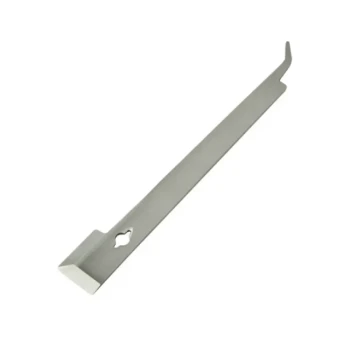
- Stainless Steel J Hook Hive Tool for Beekeeping
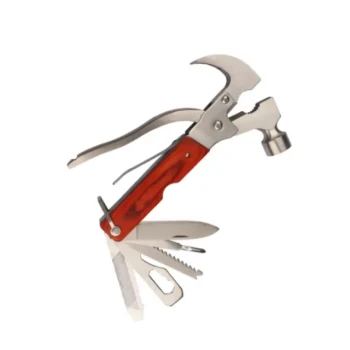
- HONESTBEE 15-in-1 Beekeeper Multi-Tool with Hammer and Pliers for Beekeeping
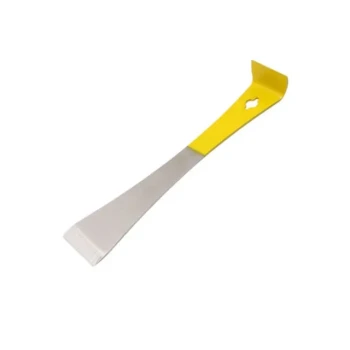
- HONESTBEE Classic Pry Bar Hive Tool with High Visibility Finish for Beekeeping
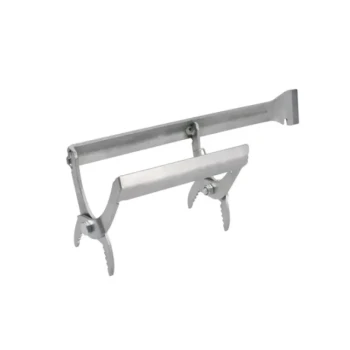
- Multi-Function Plier-Style Frame Grip Hive Tool
- Stainless Steel Queen Grafting Tool for Beekeeping and Bee Queen Grafting
People Also Ask
- What specific challenges do beekeeping hive tools address during hive maintenance? Essential Solutions for Apiaries
- What is a J-hook hive tool and why is it favored by some beekeepers? Master Gentle Frame Handling
- What are the features of a J-hook hive tool? Effortlessly Lift Frames with Superior Leverage
- What is the purpose of the J-hook hive tool? Effortlessly Lift Frames with Superior Leverage
- How is a J-hook hive tool designed and what is its primary use? Master Effortless Hive Inspections