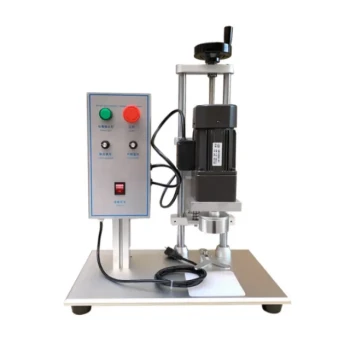
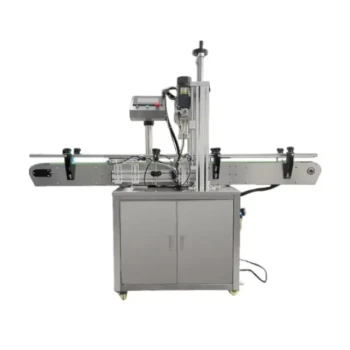
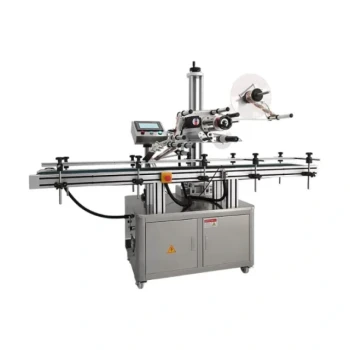
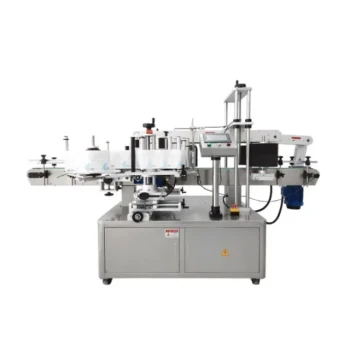
Industrial automated filling machines fundamentally transform honey processing by combining high-speed volume management with the preservation of product quality. These systems utilize sealed, sterile processing techniques to maintain the honey's natural flavor and active ingredients while ensuring the finished product meets rigorous hygiene standards through high-precision dosing.
The core value of automation in honey production is the ability to bridge the gap between raw harvest and commercial retail. It allows apiaries to scale operations rapidly without sacrificing the biochemical integrity or sanitary safety of the final product.
Preserving Natural Quality
Protecting Bio-activity and Flavor
The primary advantage of industrial filling is the preservation of honey's delicate nature. Primary automated systems use sealed processing techniques that isolate the honey from external air and contaminants. This prevents the loss of natural active ingredients and ensures the original flavor profile remains intact.
Preventing Environmental Contamination
Honey is susceptible to moisture absorption and chemical changes if exposed to the elements. Integrated sealing technologies effectively block air and moisture during the filling process. This extends the shelf life and maintains the sensory quality expected by consumers.
Eliminating Secondary Contamination
Manual handling introduces a significant risk of microbial contamination. Industrial machines operate within enclosed, sterile environments that minimize human contact with the product. This automated approach is a critical foundation for meeting modern food safety regulations.
Enhancing Operational Efficiency
Managing High Viscosity
Honey's thickness presents a unique challenge for packaging. Industrial-grade equipment utilizes high-precision metering pumps and thermal pre-processing to manage viscosity without damaging the product. This ensures smooth, rapid bottling that manual gravity-fed methods cannot match.
Shortening the Processing Chain
Time is a critical factor when dealing with large seasonal harvests. By automating the filling phase, apiaries can significantly shorten the time between extraction and market readiness. This capability allows producers to handle production surges efficiently without creating bottlenecks.
Reducing Waste and Labor Costs
Manual filling often results in overfilling or spillage. Automated machines offer precise quantitative control, ensuring every bottle meets net weight standards while minimizing raw material loss. Simultaneously, this reduces the dependency on manual labor, lowering long-term operational costs.
Standardization and Marketability
Ensuring Visual Consistency
Commercial retail requires a uniform product appearance. Standardized filling processes ensure that every unit looks identical, meeting consumer aesthetic expectations. This consistency is essential for building brand value in a competitive market.
Meeting Export Standards
To sell internationally, producers must prove consistent hygiene and weight compliance. Automated systems facilitate compliance with international export standards through rigorous, repeatable packaging processes. This opens access to high-value global markets that are inaccessible to manual operations.
Understanding the Trade-offs
Thermal Management Risks
While thermal pre-processing helps manage viscosity, it requires careful calibration. If the temperature is not precisely controlled, there is a risk of degrading the honey's beneficial enzymes. Operators must balance flow rate efficiency with strict temperature limits to preserve quality.
Maintenance and Filtration
Automated systems often integrate filtration to remove micro-impurities. However, these filters and precision valves require regular, specialized maintenance to prevent clogging. Neglecting maintenance can lead to downtime or compromised anti-drip mechanisms.
Making the Right Choice for Your Goal
To maximize the value of an automated filling system, align the technology with your specific production targets.
- If your primary focus is Scalability: Prioritize machines with high-throughput metering pumps to handle seasonal volume surges without bottlenecks.
- If your primary focus is Product Quality: Select equipment with advanced sealed processing and thermal controls to protect the honey's biochemical activity.
- If your primary focus is Export Compliance: Ensure the system offers precise quantitative control and sterile sealing to meet international hygiene standards.
Automation is not just about speed; it is the strategic lever that turns a raw agricultural product into a consistent, high-value commercial asset.
Summary Table:
| Feature | Benefit | Impact on Honey Production |
|---|---|---|
| Sealed Processing | Blocks air and contaminants | Preserves bio-activity, flavor, and shelf life |
| Precision Metering | Accurate volume control | Reduces waste and ensures weight compliance |
| High-Speed Pumps | Manages high viscosity | Shortens processing time and removes bottlenecks |
| Sterile Environment | Minimizes human contact | Meets international food safety and export standards |
| Standardized Filling | Uniform visual consistency | Enhances brand value and retail marketability |
Elevate Your Apiary's Commercial Success with HONESTBEE
Transitioning from raw harvest to a high-value commercial product requires the right technology. HONESTBEE empowers commercial apiaries and distributors with professional-grade honey-filling machines, hive-making equipment, and a full spectrum of beekeeping tools designed for scalability and quality preservation.
Whether you are looking to meet international export standards or optimize your processing chain, we provide the industrial machinery and essential consumables you need to grow your brand.
Ready to automate your success?
Contact HONESTBEE Today for a Wholesale Quote
References
- A. M. Afanas’ev, Р.А. Мамонов. RESEARCH OF STRENGTH OF CELLS AT BENDING OF BEE CELL. DOI: 10.36508/rsatu.2020.45.1.012
This article is also based on technical information from HonestBee Knowledge Base .
Related Products
- Automatic Honey Filling and Filtering Machine for Beekeeping Bottle Filling
- Fully Automatic Honey Filling Packaging Machine for Processing Line
- Precision Automated Packaging Turntable Honey Spoon Filling Sealing Packing Machine
- Semi Automatic Small Honey Bottle Filling Machine Honey Filler
- Precision Durable Efficient HONESTBEE Rotary Honey Filling Machine
People Also Ask
- What process advantages do professional honey filtering and filling machines provide? Optimize Your Organic Honey Output
- How do honey filling and filtering machines increase product value? Turn Raw Honey into Premium Export-Grade Goods
- How do honey filtration and filling machinery contribute to industrialization? Scale Your Commercial Honey Production
- What specific issues do industrial filtration and automated filling machinery address? Ensure Honey Quality & Compliance
- How does the use of professional honey filtration and filling machinery facilitate international honey exports?