Specialized hive transport racks and hydraulic loading machinery address the critical friction points of migratory beekeeping: extreme labor intensity, logistical bottlenecks, and transport-induced colony stress. By enabling high-density stacking and rapid, mechanized loading, these systems remove the physical limitations of manual handling. More importantly, they stabilize the physical environment of the hive during transit, minimizing vibration stress so that colonies remain healthy and ready to forage immediately upon arrival.
Core Insight While the obvious benefit of this machinery is speed, its true value lies in preserving "biological momentum." By mechanically stabilizing hives and reducing physical stress during transit, these tools ensure that the energy bees would normally waste on recovering from a rough journey is instead directed immediately toward nectar collection.
Optimizing Logistics and Labor
The primary challenge in migratory beekeeping is the sheer physical difficulty of moving thousands of pounds of livestock within tight timeframes. Specialized machinery transforms this from a manual struggle into a scalable industrial process.
Reducing Manual Labor Intensity
Traditional hive moving is back-breaking work that limits the number of colonies an operation can manage. Hydraulic loading machinery removes the need for manual lifting. This allows fewer workers to manage significantly more hives, reducing physical fatigue and the risk of injury.
Enabling High-Density Stacking
To make long-distance transport economically viable, trucks must carry maximum capacity. Specialized transport racks are designed to securely stack hives vertically without crushing them. This high-density configuration maximizes the efficiency of every trip, reducing fuel costs and the total number of vehicles required.
Meeting Narrow Scheduling Windows
Nectar flows and pollination contracts often operate on very tight schedules. Agricultural machinery allows for rapid loading and unloading, enabling apiaries to meet these narrow windows. This speed ensures colonies arrive exactly when the blooms are at their peak, rather than days late.
Preserving Colony Health and Stability
Moving a hive is inherently unnatural for bees. The second major challenge addressed by this equipment is the physiological toll that travel takes on the colony.
Minimizing Physical Vibration
Vibration is a significant stressor for bees; excessive shaking can cause the cluster to break or the queen to be damaged. Shock-absorbing transport racks and stable hydraulic lifts minimize these physical vibrations. This protection reduces "transport stress," which is a known cause of worker bee loss during transit.
Accelerating Foraging Resumption
When bees are stressed by a rough journey, they require a recovery period before they begin flying effectively. By providing a smoother ride, specialized machinery ensures bees are disoriented for a shorter period. This allows them to resume foraging activities almost immediately, maximizing the honey yield from the new nectar source.
Disease Management and Standardization
Beyond moving hives, how the hives are placed impacts the long-term viability of the operation.
Preventing Cross-Infection via Spacing
Manual placement of hives is often inconsistent, leading to overcrowding. Mechanized equipment allows for precise, standardized spacing when offloading hives. Proper spacing reduces the drift of bees between hives, which slows the transmission of pests and diseases like Varroa destructor and Nosema ceranae.
Understanding the Trade-offs
While specialized machinery solves logistical and biological problems, it introduces new variables that must be managed.
Capital Investment vs. Operational Cost
The shift to hydraulic loaders and custom racks requires significant upfront capital. This equipment transforms variable labor costs into fixed asset costs. Small-scale operations may find the return on investment difficult to justify compared to manual labor.
Maintenance Dependencies
Relying on hydraulics and specialized vehicles introduces mechanical points of failure. If a loader fails in a remote location during a critical pollination window, the entire operation halts. Beekeepers must adopt a rigorous maintenance schedule that mirrors industrial logistics operations.
Making the Right Choice for Your Goal
Implementing these technologies depends on the specific bottlenecks in your current operation.
- If your primary focus is maximizing honey yield: Prioritize transport racks with advanced suspension and vibration dampening to ensure bees forage immediately upon arrival.
- If your primary focus is scaling operations: Invest in high-capacity hydraulic loading machinery to reduce the labor-per-hive ratio and enable larger interstate movements.
- If your primary focus is disease control: Utilize mechanized loaders that facilitate standardized, wide spacing between hives to minimize pest transmission.
Success in migratory beekeeping is no longer just about finding the flowers; it is about utilizing technology to bridge the gap between heavy industry and delicate biology.
Summary Table:
| Challenge Category | Problem Addressed | Mechanized Solution | Biological/Operational Benefit |
|---|---|---|---|
| Labor & Logistics | High physical fatigue & injury risk | Hydraulic Loading Machinery | Reduced labor costs and increased colony scalability |
| Transport Efficiency | Low-density shipping & high fuel costs | Specialized Transport Racks | Maximized truck capacity via secure high-density stacking |
| Colony Health | Vibration stress & queen damage | Shock-absorbing Racks | Reduced transport stress and faster foraging resumption |
| Disease Control | Overcrowding & bee drifting | Precise Mechanized Placement | Standardized hive spacing to minimize pest transmission |
| Timing | Tight pollination windows | Rapid Loading/Unloading | Ability to meet peak bloom schedules consistently |
Scaling Your Apiary Operations with HONESTBEE
Migratory beekeeping requires the perfect balance of industrial strength and biological care. At HONESTBEE, we specialize in empowering commercial apiaries and distributors with the robust tools needed to bridge this gap.
From heavy-duty hive-making and honey-filling machinery to specialized hardware designed for high-intensity transport, our comprehensive wholesale portfolio covers every stage of the beekeeping lifecycle. We help you reduce labor costs, protect your colonies, and maximize honey yields through superior engineering.
Ready to modernize your fleet and boost your operational efficiency?
Contact HONESTBEE Today to explore our wholesale equipment solutions and industrial beekeeping consumables.
References
- A. B. R. Ferreira, Paulo Dabdab Waquil. Uncovering untapped potentials: diversifying business may yield profitable earnings, yet it remains an overlooked strategy among beekeepers. DOI: 10.34188/bjaerv6n3-063
This article is also based on technical information from HonestBee Knowledge Base .
Related Products
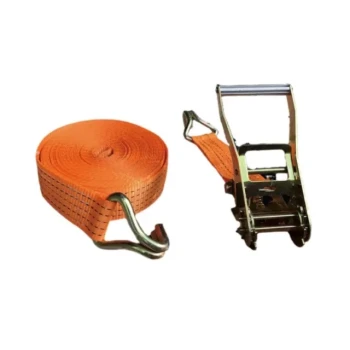
- Heavy Duty Ratchet Hive Strap
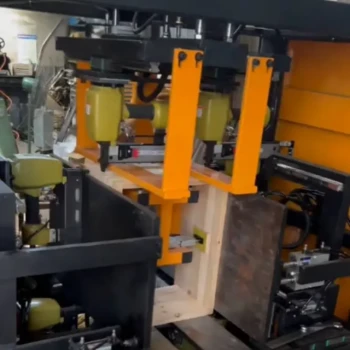
- Automatic High-Speed Bee Hive Box Stapling Machine
- Plastic Transporting Bee Packages and Nuc Boxes for Beekeeping
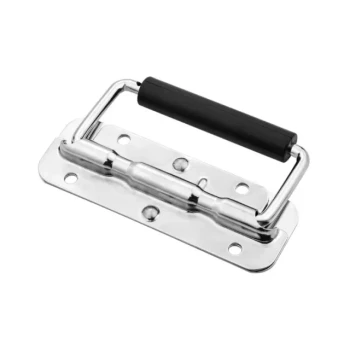
- Premium Comfort Grip Spring-Loaded Hive Handles
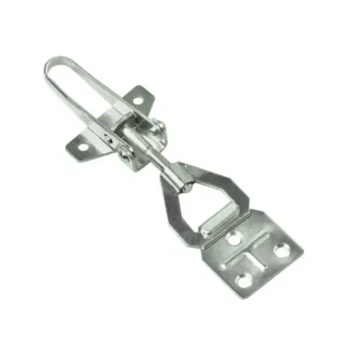
- Heavy Duty Adjustable Hive Connector
People Also Ask
- Why is the use of ratchet straps or high-strength ropes necessary for hive protection? Secure Your Colony Now
- What are the two styles of hive straps? Choose the Right Strap for Your Hive Security
- What maintenance do hive straps require? Keep Your Hives Secure with Simple Care Tips
- How should hive straps be stored? Prevent Tangles & Extend Strap Life
- What is the best choice for hive straps? Ratchet vs. Cam Buckle for Your Apiary