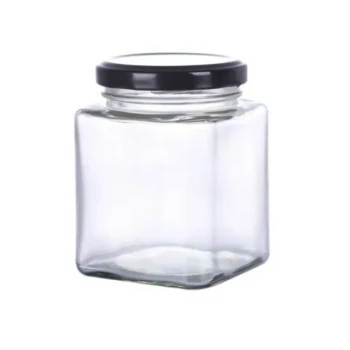
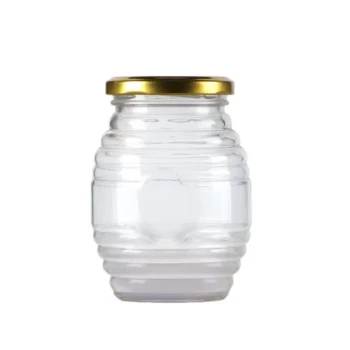
Selecting the optimal packaging for forest honey is a strategic decision that balances logistical efficiency against market positioning. The choice fundamentally comes down to prioritizing product preservation and premium branding (glass) versus optimizing for transportation safety and weight reduction (plastic).
The ideal material is dictated by your final destination: Glass offers superior chemical inertness for high-end retail and long-term storage, while plastic is the pragmatic choice for bulk distribution and minimizing transit risks.
Strategic Drivers: Market Needs vs. Logistics
The primary reference indicates that the decision is rarely about personal preference; it is driven by the specific demands of your target market and the realities of your supply chain.
Optimizing for Retail and Value
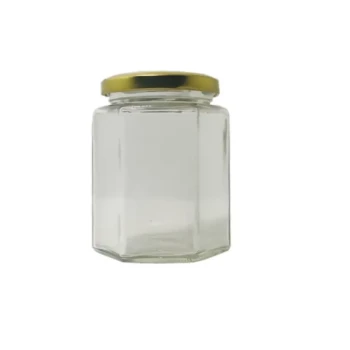
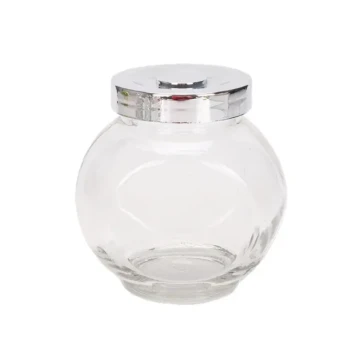
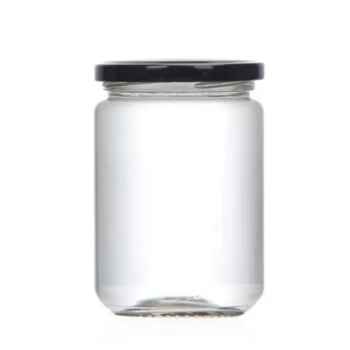
Glass bottles are predominantly chosen for markets where product value and appearance are paramount.
The weight and clarity of glass signal a premium product to the consumer. This material choice supports higher pricing strategies and enhances the overall brand image, particularly in high-end retail environments.
Optimizing for Distance and Volume
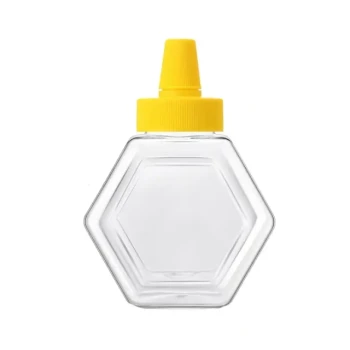
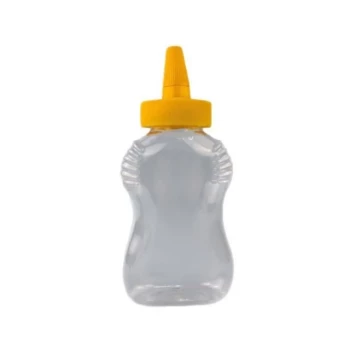
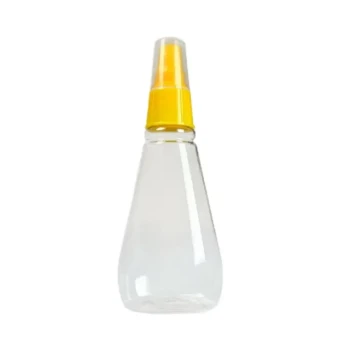
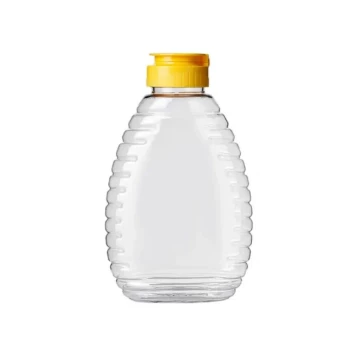
Plastic bottles are selected primarily to solve logistical challenges.
For bulk distribution and long-distance transportation, plastic offers distinct advantages. It is significantly lighter than glass, which lowers shipping costs, and it dramatically reduces the risk of breakage, ensuring stock arrives intact.
Technical Preservation and Product Quality
Beyond logistics, the physical chemistry of the packaging material plays a critical role in maintaining the honey's integrity.
Chemical Inertness and Acidity
Glass provides exceptional chemical stability. Forest honey, including unique varieties like stingless bee honey, often possesses high acidity and specific bioactive components.
Glass is chemically inert, meaning it will not react with the honey. This is vital for preserving the honey's natural enzyme activity and preventing the degradation of its unique flavor profile.
Barrier Properties
To extend shelf life, the packaging must act as a fortress against the environment.
Dedicated glass bottles offer a superior barrier against oxygen and moisture. This prevents oxidation, spoilage, and fermentation, which are common risks if honey is exposed to external air or humidity.
The Role of Transparency
Visual inspection is a key factor in consumer trust.
High-quality transparent glass allows consumers to instantly assess the color, texture, and clarity of the honey. Being able to see the purity of the product helps establish trust and supports traceability requirements often mandated in premium markets.
Understanding the Trade-offs
While glass offers superior technical preservation, it introduces significant logistical friction.
The Fragility Factor
The most significant downside to glass is its fragility. In long supply chains involving rough terrain or multiple handling points, the loss of product due to breakage can be substantial.
Weight and Cost Implications
Glass is heavy. This increases fuel consumption and shipping costs.
While food-grade plastic or specialized jars can provide effective barrier properties to prevent fermentation, they generally lack the absolute inertness and "premium" perception of glass. Using plastic is a trade-off: you gain durability and lower costs, but you may sacrifice the "high-end" market positioning.
Making the Right Choice for Your Goal
The "best" bottle does not exist in a vacuum; it depends entirely on where your honey is going and who is buying it.
- If your primary focus is High-End Retail: Prioritize glass bottles to maximize shelf life, ensure chemical stability, and command a premium price through superior visual presentation.
- If your primary focus is Bulk Distribution: Prioritize plastic bottles to minimize weight, reduce shipping costs, and eliminate the risk of breakage during long-distance transport.
- If your primary focus is Bioactivity Preservation: Prioritize glass or highly specialized food-grade containers to ensure the high acidity and enzymes of the honey are not compromised by the packaging material.
Align your packaging material with your distribution reality to ensure your honey reaches the consumer in peak condition.
Summary Table:
| Feature | Glass Bottles | Plastic Bottles |
|---|---|---|
| Market Position | Premium / High-end Retail | Bulk / Value Distribution |
| Durability | Fragile (Risk of breakage) | High (Shatter-resistant) |
| Chemical Stability | Inert (No reaction with acidity) | Potential for interaction |
| Barrier Quality | Superior (Oxygen & Moisture) | Moderate to High |
| Shipping Cost | Higher (Heavy weight) | Lower (Lightweight) |
| Consumer Trust | High (Visual clarity & quality) | Moderate |
Elevate Your Honey Brand with HONESTBEE
Choosing the right packaging is just the first step in building a successful honey business. At HONESTBEE, we empower commercial apiaries and distributors with more than just containers. We provide a full spectrum of professional beekeeping tools, industrial machinery, and essential consumables designed to scale your operations.
Whether you need specialized honey-filling machines for high-speed production or hive-making hardware to expand your apiary, we deliver the quality and reliability your business demands. Partner with HONESTBEE to access wholesale pricing and industry expertise that drives growth.
Ready to optimize your production line? Contact our experts today and let’s grow your business together!
References
- Syifa Saputra. Strategi Pemasaran Madu Hutan Sialang Di Desa Dundangan Kecamatan Pangkalan Kuras Kabupaten Pelalawan Propinsi Riau. DOI: 10.25299/jaaa.2023.13970
This article is also based on technical information from HonestBee Knowledge Base .
Related Products
- Economy Small Honey Filling Machine Honey Bottle Filler Packaging Machine
- Double Nozzle Small Honey Filling Machine Honey Sachet Packing Packaging Equipment
- Fully Automatic Honey Filling Packaging Machine for Processing Line
- Hexagonal Squeeze Honey Bottle with No Drip Lid
- Hexagonal Glass Honey Jars with Metal Lug Caps Elegant Versatile Packaging
People Also Ask
- Why is the hygiene and precision of honey filling machinery critical? Maximize Your Honey's Retail Value
- Why are professional honey filling machinery and specialized storage consumables vital? Ensure Quality & Scalability
- Why is high-precision honey filling machinery required for stingless bee honey? Ensure Stability and Market Value
- Why is professional honey filling machinery critical for honey production? Scale Your Apiary's Profit & Efficiency
- Why is high-capacity honey filling machinery necessary for Giant Honey Bees? Solve the Apis dorsata Volume Crisis