Success in your first year of apiary management relies on establishing a specific inventory of housing, management tools, and protective gear. The core hardware requirements include wooden hive boxes, frames with foundation, a smoker, a hive tool, supplemental feeders, and personal protective equipment such as a specialized jacket or full suit.
The most critical logistical principle for new beekeepers is preparation. Equipment must be fully assembled and staged in its permanent location before the bees arrive to ensure a seamless, stress-free installation.
Establishing the Colony Environment
The Hive Structure
The fundamental unit of the apiary is the wooden hive box. This serves as the permanent shelter for the colony and protects them from the elements.
Frames and Foundation
Inside the boxes, you must install frames with foundation. These provide the structural guide for the bees to draw out comb, ensuring the hive remains organized and manageable.
Nutritional Support
Supplemental feeders are essential hardware for the first year. New colonies often require sugar syrup to build wax quickly or to survive periods when natural nectar is scarce.
Essential Management Tools
The Smoker
A smoker is the primary tool for colony management. It produces cool smoke that calms the bees and masks alarm pheromones, allowing you to work the hive safely.
The Hive Tool
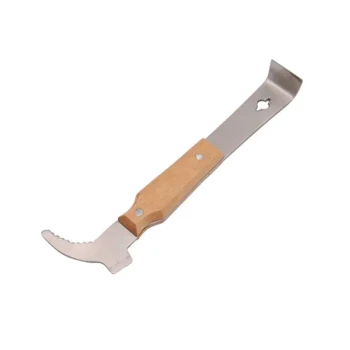
You generally cannot separate hive components with your bare hands due to propolis (bee glue). A hive tool is required for prying boxes apart, lifting heavy frames, and cleaning surfaces.
Protective Gear
Safety is non-negotiable for effective management. You must invest in a specialized jacket or full suit. Proper protection prevents stings and allows you to focus on inspecting the colony rather than swatting away bees.
Swarm Attraction and Colony Acquisition
Baiting Materials
If you are relying on wild swarms to populate your hives, baiting materials become critical hardware. These consumables release specific scents that simulate ideal nesting environments.
Reducing Vacancy
Using effective baits significantly reduces the time hives sit empty. This accelerates the establishment of the apiary, allowing economic production to begin as quickly as possible.
Understanding the Trade-offs
The Risk of Supply Chain Gaps
Modern apiary management depends heavily on the availability of specific consumables and replacement parts. A lack of spare frames, foundation, or smoker fuel can create operational bottlenecks.
Consequences of Improper Tooling
Without the correct specialized tools, operators often revert to inefficient, traditional methods. This jeopardizes the long-term economic benefits of the apiary and increases the risk of equipment failure.
Upfront Cost vs. Operational Readiness
The primary trade-off in the first year is the upfront cost of assembling a full inventory versus buying "just enough." However, failing to stage equipment before the bees arrive can lead to rushed installations and poor colony establishment.
Making the Right Choice for Your Goal
To ensure a successful first season, align your acquisition strategy with your specific management goals:
- If your primary focus is rapid establishment: Prioritize baiting materials and pre-assembled hives to minimize the time equipment remains vacant.
- If your primary focus is long-term stability: Secure a consistent supply chain for input accessories to prevent operational bottlenecks and equipment degradation.
- If your primary focus is safety and confidence: Invest heavily in high-quality protective gear and a reliable smoker to ensure thorough, stress-free inspections.
Your first year creates the foundation for future yields; prioritize the integrity of your equipment to ensure the colony thrives.
Summary Table:
| Category | Essential Item | Primary Function |
|---|---|---|
| Housing | Hive Boxes & Frames | Provides shelter and structural guides for honeycomb development. |
| Management | Smoker & Hive Tool | Calms bees with smoke and prying tools for hive inspection/cleaning. |
| Nutrition | Supplemental Feeders | Ensures survival and wax production during nectar-scarce periods. |
| Safety | Specialized Suit/Jacket | Protects the beekeeper from stings to ensure focused management. |
| Acquisition | Baiting Materials | Attracts wild swarms to quickly populate empty equipment. |
Elevate Your Beekeeping Operation with HONESTBEE
Starting a commercial apiary or scaling your distribution business requires more than just basic tools—it requires a partner who understands the industry's logistical demands. HONESTBEE specializes in catering to commercial apiaries and distributors with a comprehensive wholesale offering designed for durability and efficiency.
From hive-making and honey-filling machinery to high-quality protective gear and essential consumables, we supply the full spectrum of equipment needed to minimize operational bottlenecks. Whether you are seeking specialized hardware or honey-themed cultural merchandise to expand your retail portfolio, we provide the reliable supply chain you need to succeed.
Ready to secure your first-year inventory or upgrade your commercial fleet?
Contact HONESTBEE Today for a Wholesale Quote
Related Products
- HONESTBEE 15-in-1 Beekeeper Multi-Tool with Hammer and Pliers for Beekeeping
- Stainless Steel Queen Grafting Tool for Beekeeping and Bee Queen Grafting
- Stainless Steel J Hook Hive Tool for Beekeeping
- HONESTBEE Classic Pry Bar Hive Tool with High Visibility Finish for Beekeeping
- Multi-Function Plier-Style Frame Grip Hive Tool
People Also Ask
- What is the recommended method for storing beekeeping tools? Expert Vertical Storage Solutions for Your Apiary
- How does a favorable microclimate interact with beekeeping tools? Boost Overwintering Success and Equipment Longevity
- Why is the treatment of beekeeping tools with high-concentration chemical disinfectants necessary for preventing AFB?
- Why are specialized beekeeping tools and consumables essential? Enhance Colony Management and Honey Yield Today
- How does the stable local supply of beekeeping tools affect technology adoption? Building Sustainable Apiaries