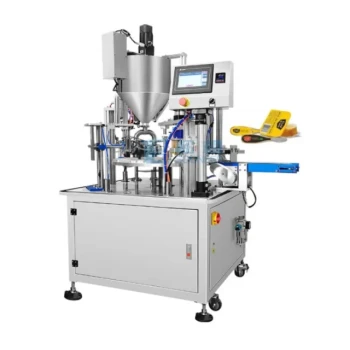
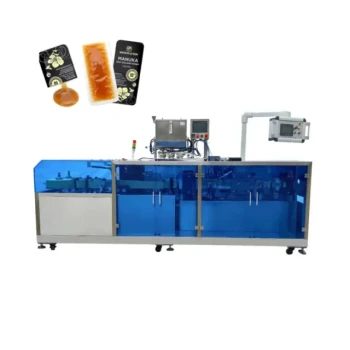
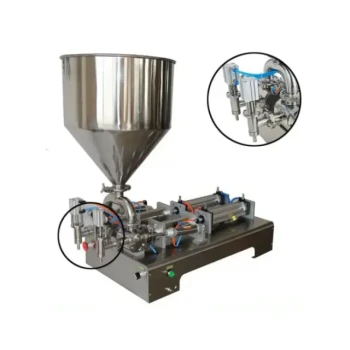
Automated honey-filling machines fundamentally resolve the inefficiencies of manual processing by addressing three critical pain points: slow filling speeds, inconsistent dosing volumes, and the difficulty of maintaining strict hygiene controls. By utilizing high-precision quantitative systems within closed operating environments, these machines ensure every unit meets identical volume specifications while protecting the product from external contaminants to satisfy international safety standards.
The core value of this technology lies in its ability to bridge the gap between raw apiary production and the commercial marketplace, converting bulk harvests into compliant, standardized retail products.
Solving Operational Inefficiency
Manual honey processing is inherently limited by human variance and speed. Automation directly addresses the physical bottlenecks that restrict scalability.
Eliminating Volume Inconsistency
Manual filling often results in varying product weights, leading to regulatory issues and lost revenue.
Automated machines employ high-precision quantitative systems to dispense exact dosages. This ensures volume consistency across all units, guaranteeing that the product label matches the actual content.
Increasing Throughput and Reducing Costs
Manual processing entails slow filling speeds that cannot match the pace of commercial demand.
Industrial filling machines leverage high-volume processing capabilities to drastically increase production rates. This efficiency reduces the unit cost of packaging, making the transition from bulk wholesale to retail economically sustainable.
Ensuring Hygiene and Stability
The most significant technical challenge in food processing is preventing contamination. Honey is sensitive to external factors, and automation provides the necessary physical safeguards.
Preventing Secondary Contamination
Manual handling introduces a high risk of "secondary contamination," where human contact or open-air exposure compromises the product.
Automated systems utilize closed operating environments and sterile packaging technologies. This isolation protects the honey during the critical filling phase, ensuring the physical and chemical stability of the final product.
Extending Shelf Life
Improper sealing in manual operations can lead to spoilage or leakage.
Automated machines provide airtight packaging and precise sealing capabilities. This extends the product's shelf life and maintains the quality required for long-distance logistics and storage.
Unlocking Market Access
Beyond the physical processing, these machines solve the "barrier to entry" challenge for producers looking to enter high-value markets.
Standardization for Retail
Retail channels require uniformity that manual filling cannot guarantee.
By delivering standardized packaging, these machines help producers establish a professional brand image. This consistency is a prerequisite for entering high-end commercial retail channels and distinguishing the product from generic bulk options.
Compliance with International Standards
Global markets enforce strict safety and hygiene certifications, such as organic standards.
The precise flow control and hygienic design of these machines allow producers to meet international export and safety standards. This compliance is essential for increasing the added value of the honey and accessing the global marketplace.
Understanding the Trade-offs
While automation solves volume and hygiene issues, it introduces new operational considerations that must be managed.
The Shift to Standardization
Automation requires a move away from flexible, ad-hoc bottling to rigid standardization.
To achieve efficiency, producers must commit to standardized packaging materials (bottles and caps). This limits the ability to easily switch between different container shapes or sizes without adjusting the production line configuration.
Complexity of the Downstream Chain
Adopting this technology shifts the focus from simple agriculture to industrial manufacturing.
Implementing these machines integrates the producer into the downstream value chain, requiring the management of precision filtration and labeling equipment alongside the filling machinery. This requires a higher level of technical oversight than traditional bulk collection.
Making the Right Choice for Your Goal
To determine if automated filling addresses your specific needs, consider your primary business objective.
- If your primary focus is International Export: Prioritize automation for its closed operating environments to ensure the hygiene compliance required by global safety standards.
- If your primary focus is Brand Building: Leverage the machine's high-precision dosing to ensure the standardized, professional appearance necessary for high-end retail shelves.
Automated filling is not just a speed upgrade; it is the structural requirement for transforming honey from a raw agricultural byproduct into a shelf-ready commercial asset.
Summary Table:
| Challenge | Impact of Automation | Key Benefit |
|---|---|---|
| Dosing Variance | High-precision quantitative systems | Guaranteed volume consistency & regulatory compliance |
| Contamination | Closed operating environments & sterile tech | Prevention of secondary contamination & longer shelf life |
| Low Throughput | High-speed industrial processing | Reduced unit costs & ability to meet commercial demand |
| Market Entry | Professional, standardized packaging | Access to high-end retail and international export markets |
Transform Your Honey Production with HONESTBEE
Transitioning from raw harvests to a premium retail brand requires precision and reliability. HONESTBEE specializes in empowering commercial apiaries and distributors with the tools needed for industrial success. From high-precision honey-filling machines and specialized hive-making equipment to a full range of beekeeping consumables and honey-themed cultural merchandise, we provide the complete infrastructure for your growth.
Ready to scale your operation and meet international standards?
Contact HONESTBEE Today for a Wholesale Quote
References
- Ajabush Dafar. Review of Economical and Ecological Importance of Bee and Bee Products in Ethiopia. DOI: 10.22259/2637-5354.0202003
This article is also based on technical information from HonestBee Knowledge Base .
Related Products
- Fully Automatic Honey Filling Packaging Machine for Processing Line
- Automatic Honey Filling and Filtering Machine for Beekeeping Bottle Filling
- Precision Durable Efficient HONESTBEE Rotary Honey Filling Machine
- Precision Automated Packaging Turntable Honey Spoon Filling Sealing Packing Machine
- Semi Automatic Small Honey Bottle Filling Machine Honey Filler
People Also Ask
- Why are fully automatic honey filling and packaging lines essential? Boost Your Honey's Market Value and Quality
- What is a fully-automatic honey filler? Streamline Your Production with High-Precision Automation
- How do automated honey filling and packaging machines affect profitability? Boost Margins with HONESTBEE Technology
- How do automated honey filling and packaging machines contribute to the market value of honey products? Maximize Your ROI
- How do industrial-grade automated honey filling and packaging machines mitigate the risk of physical contamination?