The recommended dimension for a ventilation hole drilled into the front of an upper hive body is between 1/2 inch and 5/8 inch in diameter. This specific size range is critical to maintain airflow while ensuring the physical safety of the colony during winter months.
The primary goal of this specification is obstruction prevention. A hole smaller than 1/2 inch poses a risk of honey bees becoming lodged in the opening, which would inadvertently seal the vent and cut off necessary airflow.
The Physiology Behind the Dimensions
The Minimum Diameter Threshold
The size of the ventilation hole is dictated by the physical size of the honey bee. You must ensure the opening is at least 1/2 inch in diameter.
At this size, bees can pass through or retreat freely. If the hole is smaller, a bee attempting to investigate or exit may become stuck.
Preventing Biological Obstructions
Winter ventilation is essential for releasing moisture, but a blocked hole renders the system useless.
If a bee becomes lodged in a hole smaller than 1/2 inch, the bee will likely perish. The carcass then acts as a plug, permanently blocking the ventilation path for the remainder of the season.
Structural Context and Placement
Location on the Hive Body
The primary reference indicates this hole should be drilled specifically into the front of the upper hive body.
This placement facilitates the exhaust of warm, moist air that rises to the top of the hive, helping to prevent condensation buildup that can be fatal in cold weather.
Material Considerations
When drilling these holes, consider the material thickness of your hive bodies.
Standard hive construction, including Top-Bar variations, often utilizes wood that is at least 3/4 inch thick. Ensure your drill bit is sharp to create a clean channel through this thickness without splintering the wood.
Common Pitfalls to Avoid
The "Too Small" Trap
The most common error is attempting to minimize heat loss by drilling a hole smaller than 1/2 inch.
While this intuitively seems efficient for heat retention, it creates a high risk of "bee corking," where a single bee blocks the entire airflow mechanism.
Ignoring Hive Geometry
While ventilation is necessary, it must not compromise the hive's internal geometry or comb attachment prevention.
For example, in Top-Bar hive construction, angles (specifically 120 degrees between the bottom and sides) are precise. Ensure that adding ventilation features does not interfere with the structural integrity of the front or back trapezoidal pieces.
Making the Right Choice for Your Goal
To ensure your hive is properly ventilated for winter success, apply the following guidelines:
- If your primary focus is winter safety: Drill holes no smaller than 1/2 inch to guarantee that bees cannot get stuck and block the airflow.
- If your primary focus is structural integrity: Ensure you are drilling into wood at least 3/4 inch thick to support the opening without weakening the box.
Proper ventilation balances moisture control with the physical realities of the bees inside.
Summary Table:
| Feature | Recommended Specification | Purpose |
|---|---|---|
| Hole Diameter | 1/2" to 5/8" (13mm - 16mm) | Prevents bees from getting stuck ("corking") while maintaining airflow. |
| Placement | Front of the upper hive body | Facilitates the exhaust of rising warm, moist air. |
| Minimum Wood Thickness | 3/4" (19mm) | Ensures structural integrity of the hive body. |
| Critical Angle (Top-Bar) | 120° (Bottom to Sides) | Maintains precise hive geometry for comb attachment. |
Scaling Your Beekeeping Success with HONESTBEE
Optimizing hive ventilation is just one step toward a thriving apiary. At HONESTBEE, we specialize in supporting commercial apiaries and distributors with high-performance beekeeping solutions. From precision-drilled hive bodies and specialized machinery to honey-filling equipment and essential consumables, we provide the tools you need to maximize efficiency and honey production.
Whether you are expanding your commercial operation or sourcing premium inventory for distribution, our wholesale team is ready to deliver quality craftsmanship tailored to your needs.
Ready to elevate your operation? Contact us today to discuss your wholesale requirements!
Related Products
- Stainless Steel Round Beehive Air Vents for Ventilation
- Professional Reversible Beehive Hive Entrance
- Steel Round Disc Entrance Reducer for Flexzion Bee Hive Nuc Box Gate
- Inner Beehive Cover for Beekeeping Bee Hive Inner Cover
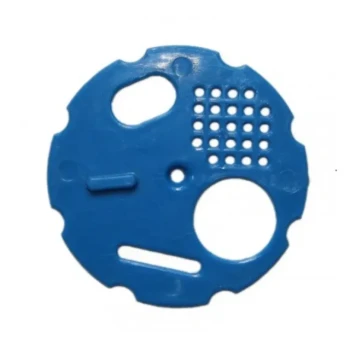
- Beehive Entrance Discs Plastic Bee Entrance Disc for Bee Hives
People Also Ask
- How does ventilation affect colony health, and how should it be managed seasonally? A Guide to Preventing Moisture & Overheating
- Why is proper ventilation important in a beehive? Prevent Mold, Regulate Temperature, and Boost Colony Health
- How can a beekeeper provide proper ventilation for a beehive throughout the year? Seasonal Strategies for Bee Health
- Why is good ventilation crucial when transporting beehives? Protect Your Colony from Lethal Overheating
- How can ventilation be added to a beehive without using an inner cover? Simple, Effective Solutions for Healthy Hives