Traditional beekeeping is usually small-scale and labor-intensive, while modern commercial beekeeping is standardized, mechanized, and designed for both honey production and managed pollination. Traditional operations often use fixed or non-standardized hives, making inspections and honey harvesting more disruptive. Modern apiaries use movable-frame hives, standardized components, colony-management tools, and processing machinery to improve efficiency, product quality, and scalability.
The central difference is control: modern equipment lets beekeepers inspect colonies without destroying comb, harvest honey more efficiently, maintain stronger colonies, and transport hives to crops that require pollination. For commercial buyers, a complete equipment portfolio is more valuable than isolated products because hive management, extraction, processing, and logistics must work together.
How Traditional and Modern Beekeeping Differ
Traditional methods prioritize simplicity
Traditional beekeeping is commonly practiced on a small scale or as a hobby. Fixed or non-standardized hives can be practical in simple operations, but they often make colony inspection, disease monitoring, and honey removal more difficult.
Harvesting may also damage or destroy comb. This increases colony disruption and requires bees to rebuild structures that modern movable-frame systems can preserve and reuse.
Modern methods are built around standardization
Modern commercial apiaries rely on standardized hives, movable frames or bars, and interchangeable components. This creates a more predictable working system across colonies and locations.
Standardization also helps distributors, wholesalers, and commercial beekeepers source compatible replacement parts, expand apiaries, and organize maintenance more efficiently.
The operating model is fundamentally different
Traditional beekeeping often depends heavily on manual labor and individual experience. Modern commercial beekeeping combines practical expertise with repeatable equipment, documented workflows, and mechanized processing.
The result is not simply a larger hive operation. It is an integrated production system designed to manage colonies, harvest multiple products, meet hygiene expectations, and support reliable commercial supply.
Why Movable-Frame Hives Matter
Inspections become less destructive
Movable-frame hives allow beekeepers to remove and examine individual frames without dismantling the colony or destroying the comb. This supports more precise monitoring of brood development, food stores, colony strength, pests, and disease indicators.
Regular inspection gives operators more opportunities to identify problems early and adjust colony-management practices before losses become severe.
Reusable comb improves operating efficiency
When honey is extracted centrifugally, the wax comb can remain intact and be returned to the hive. Bees can then use the existing structure instead of rebuilding every cell from the beginning.
This helps reduce unnecessary colony workload and supports more efficient honey production over repeated harvesting cycles.
Standardized frames support scale
Consistent frame dimensions make hive inspection, honey extraction, storage, and equipment handling more systematic. They also simplify procurement for businesses supplying multiple apiaries or serving diverse beekeeper customers.
For B2B buyers, compatibility and availability are operational advantages—not merely technical specifications.
How Specialized Equipment Enhances Honey Production
Wax foundation encourages orderly comb building
Wax comb foundation provides embossed worker-cell bases that encourage bees to build straight, uniform combs. More orderly comb construction improves the use of hive space and makes frames easier to inspect, handle, and process.
It also supports a more consistent workflow from colony maintenance through extraction.
Centrifugal extractors preserve the comb
A centrifugal honey extractor removes honey from the cells through controlled spinning rather than crushing the comb. Preserving the comb reduces the need for bees to rebuild it and enables the frame to return to the colony.
This can improve harvesting efficiency while reducing physical interference with the hive.
Processing machinery reduces manual handling
Honey-filling, extraction, filtration, and related processing equipment increase mechanization during primary processing. These systems reduce manual labor and create a more consistent path from harvested honey to a marketable product.
Mechanization also helps commercial operators manage larger volumes while maintaining cleaner and more controlled processing conditions.
Hygiene becomes easier to manage
Specialized machinery can reduce unnecessary manual contact during extraction and filtration. When properly selected, installed, and maintained, it supports sanitary handling and helps commercial operations align processing practices with food-safety expectations.
Equipment does not replace cleaning procedures or quality controls. It makes those procedures more consistent and manageable.
More than honey can be commercialized
Modern equipment and colony-management systems support the collection and processing of several hive products, including:
- Honey
- Royal jelly
- Propolis
- Bee pollen
- Beeswax
This broader product capability can help wholesalers, exporters, and resellers serve customers seeking a full-spectrum beekeeping solution rather than a single harvesting tool.
How Equipment Increases Pollination Value
Bees provide value beyond the hive
Commercial honeybees are important pollinators for crops such as apples, almonds, melons, cucumbers, and sunflowers. For many beekeeping businesses, pollination services can therefore complement or exceed the value of honey sales.
This changes the role of the apiary from a harvesting site into a mobile agricultural service.
Hive design supports colony readiness
Standardized hives make it easier to assess colony condition before deployment. Beekeepers can inspect colony strength, monitor health, and organize colonies for movement to agricultural fields.
Healthy, well-managed colonies are more suitable for planned pollination work than colonies that cannot be inspected or handled efficiently.
Transportation tools enable seasonal deployment
Modern hive designs and transportation equipment help operators move colonies to farms and orchards during flowering periods. Efficient movement allows beekeepers to serve multiple agricultural locations and coordinate pollination with seasonal crop demand.
The commercial benefit depends on dependable colony management, timing, transport planning, and local agricultural requirements.
Pollination creates a scalable revenue stream
A well-equipped operation can combine honey production with contracted or coordinated pollination services. This provides a second commercial pathway and can improve the utilization of colonies throughout the production year.
For distributors and B2B resellers, equipment that supports both apiary management and hive transportation has relevance across more than one customer use case.
The Equipment System Commercial Apiaries Need
Hive infrastructure comes first
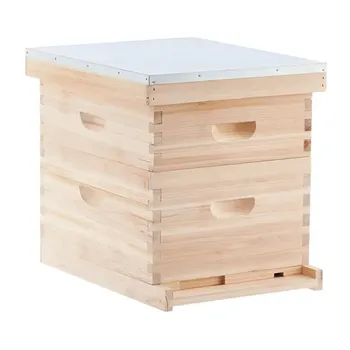
Modern hives provide the physical environment for colony survival, breeding, inspection, and honey storage. Movable frames, suitable hive bodies, and compatible components form the foundation of the commercial workflow.
Without reliable hive infrastructure, downstream equipment cannot deliver its full value.
Colony-management tools protect operators and bees
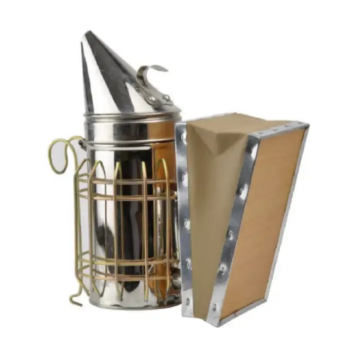
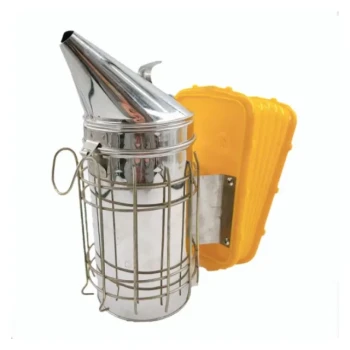
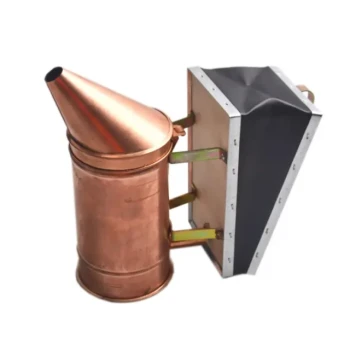
Bee smokers help calm colonies during management, while protective veils and clothing reduce the risk of stings during inspections and extraction. These tools make routine work safer and more controlled.
Safer handling can also reduce rushed or unnecessarily disruptive interventions.
Harvesting and processing complete the workflow
Extractors, filters, filling equipment, storage containers, and related machinery connect the hive to the finished product. The right combination reduces bottlenecks between harvesting, processing, packing, and fulfillment.
For commercial customers, equipment should be evaluated as a workflow rather than as disconnected catalog items.
Sourcing reliability affects operational value
A technically suitable product is less useful if replacement parts are unavailable or delivery delays interrupt the production cycle. One-stop sourcing, rapid response, dedicated service, and efficient order fulfillment can therefore be important commercial differentiators.
Distributors should assess not only product specifications but also compatibility support, portfolio depth, and supply continuity.
Understanding the Trade-offs
Modernization requires investment
Movable-frame hives and processing machinery typically require higher initial investment than basic traditional equipment. Operators must consider expected production volume, labor costs, maintenance, and the value of additional hive products or pollination services.
Modern equipment is most valuable when the operation has sufficient scale or a clear path toward commercial growth.
Mechanization does not eliminate expertise
Machines can improve extraction and processing, but they do not replace skilled colony management. Beekeepers still need to understand bee biology, seasonal conditions, disease risks, transport requirements, and appropriate harvesting practices.
Technology improves repeatability; it does not make poor management effective.
Standardization must match the customer base
Standardized equipment improves compatibility, but different markets may use different hive formats, frame dimensions, and operating practices. Distributors should confirm customer requirements before consolidating inventory.
Offering a broad, compatible portfolio is often more useful than promoting one universal configuration.
Transport introduces additional risks
Moving colonies to agricultural fields requires careful scheduling and handling. Poor transport conditions, unsuitable timing, or weak colonies can reduce the effectiveness of pollination deployment.
Transportation equipment should therefore be considered alongside colony strength, route planning, and seasonal crop schedules.
Hygiene depends on the complete process
Processing machinery supports sanitary production, but cleanliness, maintenance, filtration practices, storage, and operator procedures remain essential. Equipment alone cannot guarantee product quality.
Commercial buyers should evaluate the full processing environment, not only the machine’s output capacity.
How to Apply This to Your Project
Select equipment according to the scale of the apiary, the products being sold, and whether the business will provide pollination services.
- If your primary focus is small-scale or hobby beekeeping: Begin with manageable hive equipment, movable frames, protective tools, and basic extraction capacity that improves inspection and harvesting without overinvesting in industrial machinery.
- If your primary focus is commercial honey production: Prioritize standardized movable-frame hives, wax foundation, centrifugal extractors, filtration, filling, and storage equipment that can support repeatable, hygienic processing.
- If your primary focus is multi-product revenue: Build a compatible portfolio that supports honey, beeswax, royal jelly, propolis, and bee pollen collection and processing.
- If your primary focus is agricultural pollination: Invest in colony-monitoring systems, standardized hives, safe handling tools, and transportation solutions that enable efficient seasonal deployment.
- If your primary focus is distribution or wholesale supply: Choose a supplier with broad product coverage, compatibility expertise, rapid response, dependable fulfillment, and after-sales support.
The right modernization strategy turns beekeeping from a fragmented manual activity into a controllable production and pollination system.
Summary Table:
| Aspect | Traditional Beekeeping | Modern Commercial Beekeeping |
|---|---|---|
| Scale | Small-scale, labor-intensive | Large-scale, standardized, mechanized |
| Hive type | Fixed or non-standardized | Movable-frame, standardized components |
| Inspection | Destructive, disrupts colony | Non-destructive, frame-level access |
| Honey extraction | Comb crushing, manual | Centrifugal extractors, preserve comb |
| Processing | Manual, limited hygiene control | Mechanized, better hygiene and consistency |
| Pollination | Limited, stationary | Managed, transportable for seasonal crops |
| Product range | Primarily honey | Honey plus royal jelly, propolis, pollen, beeswax |
| Scalability | Difficult | High, with systematic workflows |
Ready to modernize your apiary with a full-spectrum equipment portfolio? HONESTBEE offers beekeepers and distributors everything from hive-making and honey-filling machines to essential consumables, all backed by rapid response, dedicated service, and ultra-fast delivery. Whether you're expanding honey production, adding pollination services, or reselling to commercial apiaries, our one-stop sourcing and expert support ensure you get the right tools for maximum efficiency and profitability. Contact us today to discuss your needs and receive a tailored solution.
Related Products
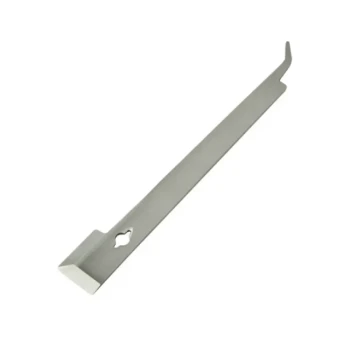
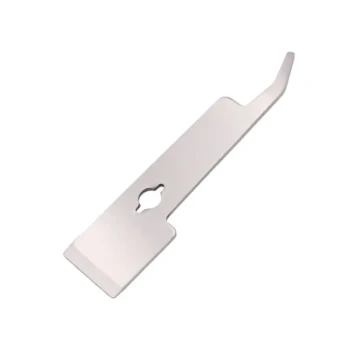
- Stainless Steel J Hook Hive Tool for Beekeeping
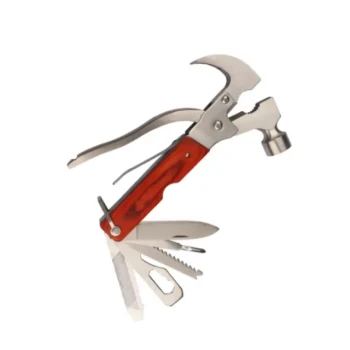
- HONESTBEE 15-in-1 Beekeeper Multi-Tool with Hammer and Pliers for Beekeeping
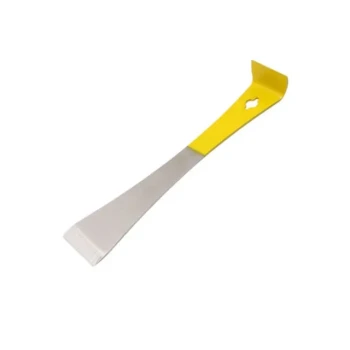
- HONESTBEE Classic Pry Bar Hive Tool with High Visibility Finish for Beekeeping
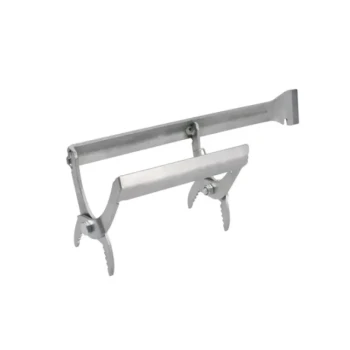
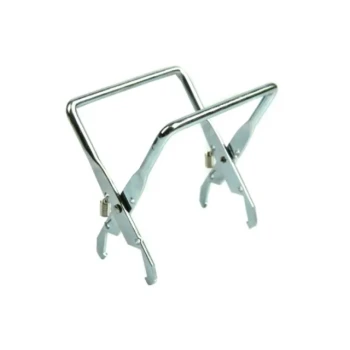
- Multi-Function Plier-Style Frame Grip Hive Tool
- HONESTBEE Professional Mini J-Hook Hive Tool for Beekeeping
People Also Ask
- What specific challenges do beekeeping hive tools address during hive maintenance? Essential Solutions for Apiaries
- What are the features of a J-hook hive tool? Effortlessly Lift Frames with Superior Leverage
- What is a J-hook hive tool and why is it favored by some beekeepers? Master Gentle Frame Handling
- What is the purpose of the J-hook hive tool? Effortlessly Lift Frames with Superior Leverage
- How is a J-hook hive tool designed and what is its primary use? Master Effortless Hive Inspections