To successfully transport honeybee hives over long distances, you must utilize equipment specifically engineered to mitigate environmental and mechanical stress. This requires specialized ventilation systems to manage heat accumulation and robust fixation hardware to dampen vibrations and jolts during transit. Furthermore, the hives themselves should be configured with honey supers to provide adequate internal volume, preventing overcrowding and heat stress while the colony is in motion.
The success of long-distance pollination depends less on the vehicle's speed and more on mitigating physiological stress through specialized design. Proper ventilation, secure fixation, and adequate hive space are critical to ensuring bees arrive with the vitality required for immediate pollination activity.
Managing Physiological Stress
The primary challenge in long-distance transport is not logistics, but biology. Equipment must be selected to minimize the physiological impact on the colony.
Ventilation Systems
High temperatures are a significant threat during transit. Bees generate substantial heat, especially when confined. Transport vehicles must be equipped with specialized ventilation to ensure consistent airflow, preventing the colony from overheating and maintaining vitality.
Vibration and Fixation Hardware
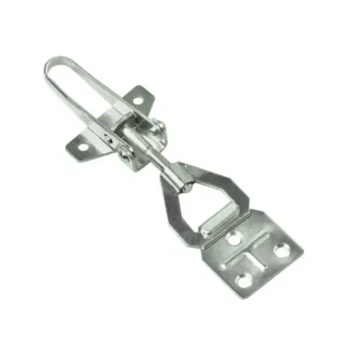
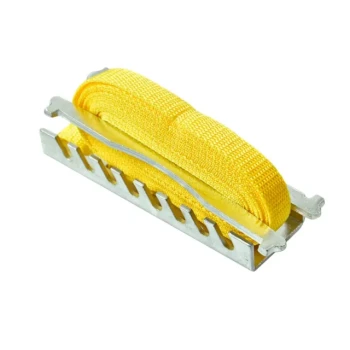
Mechanical stress is a silent killer of colony efficiency. Fixation equipment is necessary to secure hives rigidly, reducing the jolting and bouncing associated with road travel. Proper fixation mitigates the physical impact of vibrations, which can otherwise degrade the bees' ability to pollinate immediately upon arrival.
Hive Configuration and Capacity
Beyond the vehicle, the configuration of the hive itself plays a pivotal role in transport success.
Utilizing Honey Supers
Space management is a critical equipment consideration. Adding honey supers provides vertical expansion, preventing overcrowding within the hive during confinement. This extra space reduces the risk of swarming behaviors and heat stress, directly contributing to higher survival rates.
Mobile-Ready Design
Modern hives are often designed specifically for mobility. These units facilitate rapid loading and unloading, allowing for precise scheduling. This compatibility with professional transport equipment ensures colonies can be moved quickly to match the fleeting peak flowering periods of target crops.
Logistics and Transport Vehicles
The scale of commercial pollination requires heavy-duty "hardware carriers" to overcome geographic limitations.
Purpose-Built Transport Trucks
Standard freight trucks are often insufficient for live cargo. Purpose-built trucks or large flatbed equipment are the industry standard for cross-regional pollination. They allow for the strategic deployment of massive hive clusters to large-scale monocrop fields, such as almond orchards.
Professional Logistics Integration
Equipment must pair with advanced logistics tools. Efficient scheduling software ensures that transport aligns perfectly with crop lifecycles. This combination reduces logistics costs and positions the apiary to secure high-value contracts by guaranteeing reliability.
Understanding the Trade-offs
While specialized equipment maximizes survival, it introduces operational complexities that must be managed.
Investment vs. Colony Vitality
Purpose-built transport vehicles represent a significant capital expense compared to standard freight options. However, using non-specialized vehicles increases the risk of colony loss due to poor ventilation or excessive vibration. The upfront cost of specialized gear is generally offset by the retention of high pollination activity and contract reliability.
Volume vs. Agility
Large flatbed transport allows for the movement of massive numbers of hives but requires significant infrastructure for loading. This scale is necessary for large orchards but may lack flexibility for smaller, scattered forage areas. Operators must balance the efficiency of bulk transport with the need for precise placement in diverse agricultural landscapes.
Making the Right Choice for Your Operation
Selecting the right equipment depends on your specific commercial objectives.
- If your primary focus is Colony Survival: Prioritize vehicles with advanced ventilation and vibration-dampening fixation to reduce physiological stress.
- If your primary focus is Swarm Prevention: Ensure your hive configuration includes honey supers to provide adequate vertical space during transit.
- If your primary focus is Large-Scale Efficiency: Invest in large flatbed transport equipment to deploy maximum hive density during peak flowering windows.
Ultimately, the right equipment transforms a honeybee colony from a fragile biological unit into a reliable, mobile agricultural asset.
Summary Table:
| Equipment Category | Key Feature | Primary Benefit |
|---|---|---|
| Ventilation Systems | High-airflow specialized vents | Prevents overheating and physiological stress |
| Fixation Hardware | Vibration-dampening locks/straps | Reduces mechanical jolts and colony agitation |
| Hive Configuration | Additional honey supers | Increases internal volume to prevent overcrowding |
| Transport Vehicles | Purpose-built flatbeds | Enables rapid, large-scale deployment to orchards |
| Logistics Tools | Scheduling software integration | Aligns transport timing with peak flowering periods |
Maximize Your Pollination Success with HONESTBEE
Transitioning colonies over long distances requires more than just a truck—it requires precision-engineered equipment. At HONESTBEE, we specialize in supporting commercial apiaries and distributors with a comprehensive range of professional beekeeping solutions. From robust hive-making machinery and specialized transport-ready hardware to honey-filling systems and essential consumables, our portfolio is designed to ensure your colonies arrive with the vitality needed for high-value contracts.
Ready to upgrade your commercial operations? Contact us today to explore our wholesale offerings and discover how our specialized tools and machinery can enhance your apiary's efficiency and reliability.
References
- Francis L. W. Ratnieks, Norman Carreck. Clarity on Honey Bee Collapse?. DOI: 10.1126/science.1185563
This article is also based on technical information from HonestBee Knowledge Base .
Related Products
- Plastic Transporting Bee Packages and Nuc Boxes for Beekeeping
- Durable Plastic Interlocking Hive Connector for Beekeeping
- Heavy Duty Adjustable Hive Connector
- HONESTBEE Premium Italian Style Hive Tool with Hardwood Handle
- HONESTBEE Professional Hive Top Bee Feeder Feeding Solution
People Also Ask
- What role do bee package boxes play in the commercial transport and expansion of honeybee colonies? - Logistic Essentials
- What are beekeeping boxes called? A Guide to Hive Bodies and Box Types
- How do standardized bee packages serve as a recovery mechanism for commercial beekeeping? Ensure Business Continuity
- What is the commercial value of using standardized bee packages? Drive Scalability in Large-Scale Apiaries
- Why is the timely introduction of high-quality bee packages critical? Save Your Apiary from Asian Hornet Invasions