The essential response to drought-driven nectar delays is a coordinated feeding and climate-management package. Apiaries need internal or top feeders for emergency carbohydrates, pollen patty grids or protein-feeding systems for brood support, reliable waterers, shaded hive covers, and ventilation hardware such as screened bottom boards. Entrance reducers, monitoring tools, and disease-management supplies complete the package by reducing robbing pressure and protecting colonies weakened by forage scarcity.
Nectar-flow delays require more than syrup alone. A resilient apiary combines contained feeding, protein supplementation, dependable water, heat and airflow management, and defensive hive configuration to maintain colony strength until natural forage returns.
Build the Core Dearth-Management Package
Internal and top hive feeders
Internal frame feeders and top feeders deliver emergency carbohydrate feed directly to the colony when nectar is unavailable. They help maintain colony energy reserves and support continued queen laying during prolonged dry periods.
Internal feeders are particularly valuable during a nectar dearth because the feed remains inside the hive. This reduces the exposed food sources that can attract robbing bees and other pests.
Pollen patty grids and protein-feeding equipment
Carbohydrates support immediate energy needs, but colonies also require protein supplementation when natural pollen is scarce. Pollen patty grids and compatible protein-feeding systems help provide nutrients needed for brood rearing and population maintenance.
Suitable supplemental materials may include white sugar, barley flour, pea flour, and faba bean flour, depending on the feeding program and product formulation used by the apiary.
Reliable water supply systems
Automatic watering systems are important during hot, dry weather. Bees use water for evaporative cooling and brood-rearing needs, so a dependable source can reduce pressure on colonies during periods of high evapo-transpiration.
For commercial supply programs, waterers should be treated as a standard seasonal accessory rather than an optional add-on. Their value is highest when drought conditions make natural water sources unreliable.
Manage Heat, Airflow, and Internal Hive Conditions
Shaded hive covers
Shaded hive covers limit direct solar exposure and help reduce heat stress inside the hive. This supports more stable internal conditions when high temperatures coincide with limited forage.
Cover designs should be selected for secure fit, durability, and compatibility with the hive configuration. For distributors, offering replacement covers and multiple size options improves order completeness for commercial apiaries.
Screened bottom boards
Screened bottom boards support airflow and help manage excess heat under appropriate conditions. They are a useful part of a broader ventilation strategy, particularly when hives are exposed to high summer temperatures.
They should not be treated as a universal substitute for shade or sound hive placement. Ventilation needs vary with weather, hive design, colony strength, and season.
Ventilation-compatible hive hardware
Ventilation slots and other airflow accessories allow excess internal moisture and heat to escape. Although moisture management is often emphasized in winter, suitable airflow remains relevant whenever temperature extremes create unstable hive conditions.
A practical product portfolio should therefore include bottom boards, ventilation components, covers, and replacement hardware rather than relying on a single climate-control product.
Reduce Robbing and Protect Weak Colonies
Entrance reducers
Entrance reducers make it easier for a stressed or smaller colony to defend its entrance. They are especially useful during nectar dearths, when healthy colonies may attempt to rob weaker colonies.
Reducing upper or secondary entrances can further limit invasion routes. The correct opening must still allow adequate bee traffic and ventilation for the colony’s size and conditions.
Internal feeders instead of exposed feeders
During a dearth, beekeepers should generally favor internal hive feeders over entrance feeders. Exposed feeding can increase competition, fighting, predator activity, and the risk of disease or parasite transmission between colonies.
Community feeders, wet frames, and syrup spills near the apiary should also be avoided. Strong aromatic additives can make feed more conspicuous to foraging bees and increase robbing pressure.
Mouse guards and entrance protection
Mouse guards are primarily seasonal protection hardware, but they are useful in a complete apiary accessory program. They prevent rodents from entering hives and damaging comb or brood frames when entrances are reduced for other management reasons.
Distributors can package mouse guards with entrance reducers as part of a broader hive-protection assortment, while clearly distinguishing their main seasonal use.
Add Monitoring and Colony-Support Supplies
Feed and colony-condition monitoring
Feeding equipment is only effective when colonies are checked regularly. Beekeepers need to monitor feed consumption, brood presence, queen performance, colony population, and signs of starvation or robbing.
A practical supply range should include feeders, replacement parts, hive tools, inspection equipment, and record-keeping support so operators can respond quickly as conditions change.
Disease-monitoring and treatment supplies
Drought stress and nutritional shortages can weaken colony resilience. Apiaries should maintain appropriate disease-monitoring and treatment supplies, with special attention to colonies showing reduced population, poor brood development, or abnormal behavior.
Supplemental feeding does not replace disease control. Nutrition, queen health, population strength, and treatment decisions must be managed together.
Complementary forage resources
Artificial feeding is an emergency bridge, not a complete substitute for forage. Planting complementary flora that blooms between major nectar flows can reduce feeding dependence and provide a more stable biological reserve.
For commercial buyers, this means the most useful “one-stop” offering may combine hive hardware and feeding equipment with seasonal forage-planning support.
Understanding the Trade-offs
Feeding supports survival but can increase robbing
Supplemental carbohydrates and protein can maintain colony strength during a forage gap. However, careless placement, spills, or exposed feeders can attract bees from neighboring colonies and trigger aggressive robbing.
The operational answer is contained feeding, reduced entrances, clean handling, and regular inspections.
Ventilation must be balanced with exposure
Screened bottoms and ventilation slots can improve airflow and help manage heat or moisture. Excessive or poorly configured ventilation, however, may expose colonies to drafts, pests, or unsuitable environmental conditions.
Use ventilation hardware as part of a complete system that includes shade, hive placement, colony size, and seasonal adjustments.
Protein products require proper management
Protein supplements help bridge pollen shortages and support brood rearing. They should be offered through equipment that keeps the material accessible to the colony while limiting contamination, waste, and unnecessary exposure.
The product and feeder format should match the apiary’s colony scale, feeding frequency, and labor capacity.
Automatic systems still require oversight
Automatic waterers reduce dependence on unreliable natural sources, but they do not eliminate the need for inspection. Water systems must remain available, functional, and appropriately maintained throughout the dry period.
The same principle applies to feeders: automation improves consistency, but it does not replace colony assessment.
How to Apply This to Your Apiary Supply Program
Select products according to the buyer’s colony scale, climate, feeding method, and required delivery speed.
- If your primary focus is emergency nutrition: Prioritize internal frame feeders, top feeders, pollen patty grids, carbohydrate supplies, and protein supplements that can be deployed quickly during a nectar dearth.
- If your primary focus is drought and heat resilience: Build a package around automatic waterers, shaded hive covers, screened bottom boards, and compatible ventilation hardware.
- If your primary focus is preventing robbing: Stock internal feeders, entrance reducers, secure covers, spill-resistant accessories, and hive-protection components.
- If your primary focus is commercial apiary efficiency: Offer a full-spectrum assortment with replacement parts, standardized hive accessories, disease-monitoring supplies, rapid quotation, and consolidated fulfillment.
- If your primary focus is long-term forage stability: Combine supplemental feeding equipment with complementary-flora planning to reduce reliance on artificial feed between major bloom periods.
With the right combination of feeding, water, climate control, defense, and monitoring supplies, apiaries can maintain stronger colonies until drought-stressed nectar flows recover.
Summary Table:
| Category | Essential Tools/Supplies | Key Purpose |
|---|---|---|
| Emergency Feeding | Internal/top feeders, pollen patty grids | Provide carbohydrates and protein during dearth |
| Climate Control | Shaded covers, screened bottom boards, ventilation slots | Reduce heat stress and manage airflow |
| Water Supply | Automatic watering systems | Ensure reliable water for cooling and brood needs |
| Colony Defense | Entrance reducers, internal feeders, mouse guards | Minimize robbing and protect weak colonies |
| Monitoring & Health | Feed consumption checks, disease monitoring supplies | Track colony health and act promptly |
| Forage Support | Complementary flora planning | Extend natural forage sources |
Protect your colonies from drought-induced nectar delays with HONESTBEE's comprehensive range of hive management tools and supplies. As a leading B2B supplier for commercial apiaries and distributors, we offer one-stop sourcing for feeding systems, climate control hardware, and colony protection equipment. Our premium trading services ensure rapid response, dedicated support, and ultra-fast delivery. Whether you need OEM/ODM customization or certified quality, we help you build resilient apiaries and boost your profitability. Contact us today to get a tailored quote and ensure supply reliability!
Related Products
- Ergonomic Plastic Frame Spacer Tool for Rapid Hive Management Beekeeping
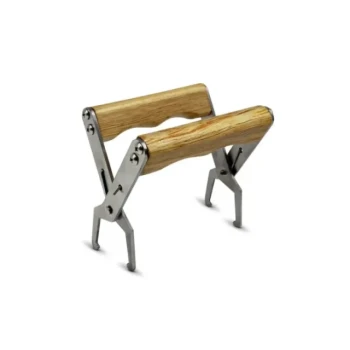
- Multi-Function Plier-Style Frame Grip Hive Tool
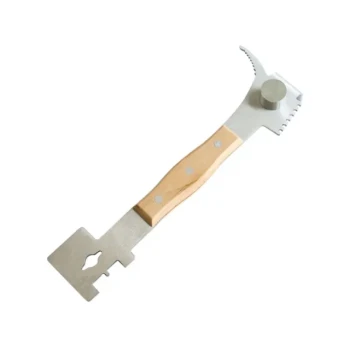
- Multi-Function Hive Tool with Integrated Hammer for Beekeeping
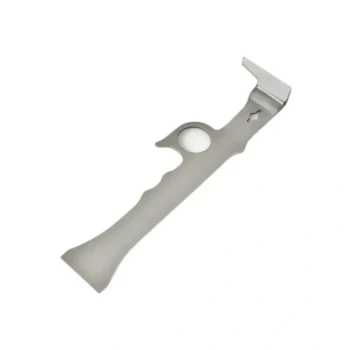
- Professional Multi-Function Stainless Steel Hive Tool
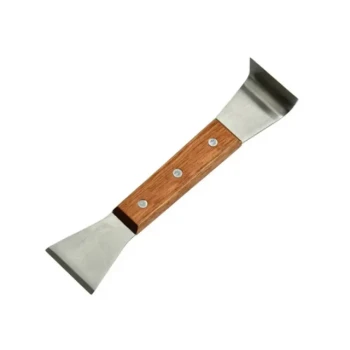
- Professional Dual-End Stainless Steel Hive Tool for Beekeeping
People Also Ask
- What specific challenges do beekeeping hive tools address during hive maintenance? Essential Solutions for Apiaries
- How do specialized beehive management tools assist in the routine maintenance of bee colonies? Boost Hive Efficiency
- How do specialized beehive management tools support high-purity honey production? Master Monofloral Isolation
- What are the approximate costs of basic beekeeping tools? Start Your Apiary for Under $85
- How do traditional harvesting tools like axes and machetes negatively affect bee colonies? Upgrade to Professional Gear