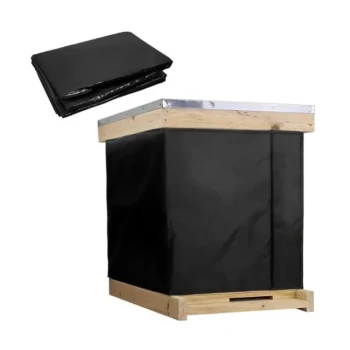
The selection of insulation material for a beehive is predominantly dictated by your geographical location and the specific environmental conditions the hive will endure. To ensure your bees survive the winter and remain healthy for spring honey production, you must evaluate the local weather patterns, the specific placement of the hive, and the type of bee you are keeping.
Core Insight: Insulation is not a universal requirement; it is a strategic intervention based on the balance between climate severity and colony strength. While strong colonies can often self-regulate, insulation is critical for weaker colonies or those in harsh environments to help them maintain the necessary cluster temperature to access food stores.
Analyzing Environmental Factors
Geographical Location and Climate
The primary driver for insulation decisions is the local climate. The severity of winter cold and the prevalence of damp conditions determine the level of thermal protection required.
Beekeepers in colder regions must prioritize materials that prevent heat loss. Conversely, in milder climates, heavy insulation may be unnecessary.
Hive Placement and Micro-climate
Beyond the general region, the specific location of the hive on your property matters. A hive situated in a protected area will have different needs than one exposed to the elements.
Ideally, hives should be placed on level ground facing a natural or man-made barrier, such as a fence or bush, to break the wind.
Sunlight Exposure
Insulation works in tandem with solar gain. Hives should generally be placed to receive morning sunlight, which encourages early daily activity.
Your insulation choice should not completely negate the benefits of this solar warming, especially in transitional seasons.
Evaluating Colony Needs
Colony Strength and Population
The biological state of the colony is a massive factor. A strong honeybee colony typically has the population density to manage its internal environment, even in colder climates.
However, weakened or small colonies lack this density. For these hives, supplemental insulation is vital to maintain cluster temperature and humidity.
The Type of Bee
Different bee races and hybrids have varying levels of winter hardiness. The specific type of bee you keep will influence their ability to withstand cold and their need for supplemental warmth.
Accessing Food Stores
The ultimate goal of insulation is not just warmth, but survival. If a cluster gets too cold, bees cannot break formation to move toward honey.
Insulation helps maintain a temperature that allows the cluster to remain active enough to reach their food stores throughout the winter.
Implementation Strategies
Internal vs. External Application
Insulation can be applied internally or externally. Internal insulation is typically placed in available spaces within the hive box.
External options include wrapping the hive with insulation material or tar paper. This helps shield the hive from wind and dampness.
Seasonal Timing
Insulation should not be a permanent fixture. Internal insulation is typically utilized from late October through February.
Installation should occur on a mild, calm day. This reduces stress on the bees caused by exposing them to high winds or extreme temperatures during the process.
Understanding the Trade-offs
Necessity vs. Over-management
It is possible to over-insulate or insulate unnecessarily. Strong colonies often possess the biological capability to regulate their own temperature without human intervention.
Applying insulation to a thriving colony in a mild climate may be a redundant effort that complicates hive management.
Entrance Orientation Misconceptions
Do not overthink the direction the hive entrance faces regarding insulation. Evidence suggests the specific direction of the entrance is not a significant factor for the colony's well-being.
Focus your efforts on windbreaks and insulation materials rather than micromanaging the compass direction of the opening.
Making the Right Choice for Your Goal
- If your primary focus is keeping a small colony alive: Prioritize high-quality insulation (internal or wrapping) to help the smaller population maintain the heat required to reach food stores.
- If your primary focus is a large, strong colony: Focus on wind protection and positioning (barriers and morning sun), as the bees can likely manage their internal temperature independently.
- If your primary focus is damp climates: Ensure your insulation strategy protects against "cold, damp nights," perhaps utilizing external wraps like tar paper to shed moisture.
By matching the insulation strategy to your specific climate and colony strength, you transform winter from a survival lottery into a manageable season.
Summary Table:
| Factor | Key Considerations | Recommended Action |
|---|---|---|
| Climate | Severity of winter & humidity levels | Heavy insulation for cold; moisture protection for damp areas |
| Colony Strength | Population density and cluster size | Supplemental insulation is vital for small or weak colonies |
| Hive Placement | Wind exposure and micro-climate | Place against windbreaks (fences/bushes) on level ground |
| Sunlight | Morning solar gain and activity | Ensure insulation doesn't block beneficial morning sun |
| Timing | Seasonal shifts (late Oct to Feb) | Install on mild, calm days to minimize colony stress |
Maximize Your Colony Survival Rate with HONESTBEE
Preparing your apiary for winter requires more than just insulation—it requires the right tools. HONESTBEE supports commercial apiaries and distributors by providing a comprehensive range of professional-grade beekeeping equipment. From high-efficiency hive-making machinery and honey-filling systems to essential consumables and specialized hardware, our wholesale offerings are designed to scale your operations and protect your investment.
Ready to upgrade your equipment for the upcoming season? Contact us today to learn how our hardware and industry expertise can enhance your efficiency and yield.
Related Products
- Professional Insulated Plastic Bee Hives
- Professional Insulated Winter Hive Wrap for Beekeeping
- Inner Beehive Cover for Beekeeping Bee Hive Inner Cover
- Stainless Steel Round Beehive Air Vents for Ventilation
- Metal Hive Feet Bee Hive Stand for Ant Protection
People Also Ask
- What are the advantages of plastic bee hives? Boost Efficiency & Durability for Your Apiary
- Are plastic bee hives any good? Unlock Durability & Efficiency for Your Apiary
- How do plastic bee hives compare to wooden hives in handling? Reduce Strain & Boost Efficiency
- Are plastic bee hives good? Durable, Low-Maintenance Hives for Modern Apiaries
- What are the disadvantages of plastic beehives? Key Operational and Environmental Risks Exposed