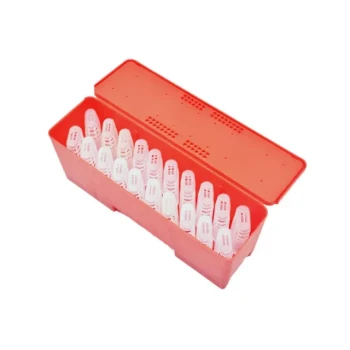
Specialized bee packaging serves as a critical life-support system during the logistical transfer of colonies. Its primary function is to maintain an optimal microclimate and ensure necessary air exchange while protecting the biological integrity of the hive. By securely fixing frames containing brood and food, this packaging prevents physical damage during long-distance transport from early breeding regions to northern agricultural districts.
The core value of specialized packaging lies in its ability to mitigate the physical and environmental stresses of transit. It ensures the survival of the queen and colony by mechanically stabilizing the hive structure and regulating airflow to prevent overheating or suffocation.
Engineering for Biological Survival
The transport of live bees requires more than simple containment. The packaging is engineered to address specific biological requirements that arise when moving colonies across climatic zones.
Regulating the Microclimate
Bees generate heat and moisture, particularly when confined. The packaging is designed to maintain a specific microclimate within the enclosure.
It facilitates the necessary air exchange to vent excess heat. This prevents the colony from overheating while ensuring they remain warm enough to protect the brood.
Mechanical Stabilization of the Hive
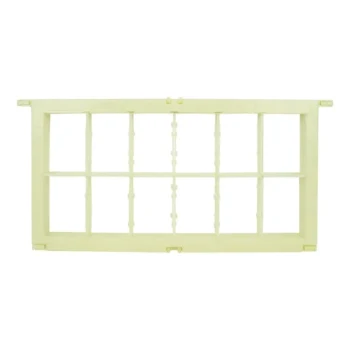
The interior construction of the packaging plays a vital role in structural rigidity. It securely fixes the internal frames in place.
These frames contain both the developing brood and the colony's food supply. Without this secure fixation, the vibration of transport would cause frames to shift, potentially crushing the bees.
Protecting the Reproductive Center
The ultimate measure of success for bee logistics is the condition of the queen upon arrival. The packaging safeguards the colony's hierarchy.
By preventing the collapse of frames and maintaining environmental stability, the packaging guarantees the safety of the queen bee. This ensures the colony is viable and ready to work immediately upon reaching its destination.
Understanding the Logistics Challenges
When moving livestock, standard shipping solutions are insufficient. The design of bee packaging addresses the specific risks associated with long-haul agricultural supply chains.
The Distance Factor
These packages are specifically utilized for long-distance delivery. They are essential for the route between early breeding regions and northern agricultural districts.
The duration of this travel exposes the bees to prolonged stress. The packaging acts as a buffer against the physical rigors of the road and changing external weather conditions.
The Risk of Inadequate Fixation
The primary point of failure in bee transport is often mechanical damage. If frames are not specialized and fixed, the food and brood can become projectiles inside the box.
Specialized packaging eliminates this variable. It ensures that the biological assets—the next generation of bees and their food source—remain stationary relative to the container.
Ensuring Successful Colony Transfer
To maximize the survival rate of early bee packages, the quality of the shipping container is as important as the health of the bees.
- If your primary focus is Colony Survival: Prioritize packaging that offers rigid frame fixation to prevent physical trauma to the brood and queen.
- If your primary focus is Logistics Management: Ensure the packaging design allows for sufficient air exchange to handle the temperature variance between the breeding region and the northern destination.
Properly engineered packaging transforms a high-risk transport into a controlled, reliable biological transfer.
Summary Table:
| Key Feature | Functional Purpose | Biological Impact |
|---|---|---|
| Air Exchange Design | Regulates microclimate & vents heat | Prevents overheating and suffocation |
| Rigid Frame Fixation | Secures brood and food frames | Prevents physical trauma and crushing of bees |
| Structural Rigidity | Buffers against transit vibrations | Protects the queen and colony hierarchy |
| Climate Buffering | Insulates against external weather | Maintains optimal internal temperature |
Scale Your Apiary Operations with HONESTBEE
At HONESTBEE, we understand that the success of commercial apiaries and distributors depends on the safe delivery of biological assets. Our comprehensive wholesale offering includes everything from specialized hive-making and honey-filling machinery to high-durability beekeeping tools and industry consumables.
Whether you are transporting early bee packages or outfitting a large-scale honey production facility, we provide the engineered solutions necessary to protect your investment and maximize productivity. Ready to upgrade your beekeeping infrastructure? Contact us today to explore our full equipment spectrum!
References
- G. V. Komlatskiy, T. A. Usenko. BEEKEEPING AS A NECESSARY FACTOR OF APC DEVELOPMENT. DOI: 10.21515/1990-4665-157-005
This article is also based on technical information from HonestBee Knowledge Base .
Related Products
- Plastic Transporting Bee Packages and Nuc Boxes for Beekeeping
- Professional 600D Oxford Cloth Beekeeping Tool Bag with 8 Pockets and Elastic Loops
- JZBZ Style Professional Battery Box with 20 Shipping Cages
- Australian Langstroth Beehive Boxes for Beekeeping Wholesales
- Langstroth Honey Bee Box Hive Boxes for Different Depths
People Also Ask
- What role do bee package boxes play in the commercial transport and expansion of honeybee colonies? - Logistic Essentials
- What are beekeeping boxes called? A Guide to Hive Bodies and Box Types
- How do standardized bee packages serve as a recovery mechanism for commercial beekeeping? Ensure Business Continuity
- What is the commercial value of using standardized bee packages? Drive Scalability in Large-Scale Apiaries
- Why is the timely introduction of high-quality bee packages critical? Save Your Apiary from Asian Hornet Invasions