Commercial control of Chalkbrood depends on sanitation, moisture management, and colony-strengthening equipment—not on a chemical cure. Apiaries should use removable and easy-to-clean hive components, approved disinfectants, replacement frames, controlled pollen-sourcing procedures, and ventilation hardware. Infected comb and mummified larvae must be removed promptly, while equipment movement between colonies must be tightly controlled.
The core principle: reduce the number of viable Ascosphaera apis spores, prevent damp and chilled brood conditions, and maintain strong colonies with hygienic behavior. No generally approved synthetic chemical treatment reliably cures Chalkbrood inside the colony, so prevention and operational discipline are the primary controls.
What Chalkbrood Control Requires
Understand the source of reinfection
Chalkbrood spores are spread through contaminated comb, hive bodies, tools, pollen, adult bees, and other hive-contact materials. Spores can remain viable on equipment for many years, making casual frame or tool transfers a major commercial-apiary risk.
The disease is often associated with weak colonies, brood chilling, excess moisture, and unstable brood-nest conditions. Sanitation alone is insufficient if the hive remains damp or the colony lacks enough bees to cover and warm the brood.
Use an equipment-based control program
A commercial program should combine:
- Hive sanitation and disinfection
- Removal and destruction of heavily contaminated comb
- Regular replacement of old brood comb
- Ventilation and moisture-control hardware
- Disease-free pollen sourcing or validated pollen treatment
- Colony strengthening and hygienic stock
- Inspection and movement controls between colonies
This requires a coordinated equipment portfolio rather than a single product.
Required Hive Sanitation Equipment
Removable bottom boards and cleaning tools
Use removable bottom boards so fallen chalk mummies, wax debris, and other contaminated material can be removed without disturbing the brood nest more than necessary.
Useful supporting equipment includes:
- Hive scrapers and dedicated cleaning brushes
- Collection trays or disposable liners
- Clearly marked clean and contaminated-equipment containers
- Washable transport bins for removed frames and hive parts
- Replacement bottom boards for rapid changeover
Mummies should be collected and disposed of promptly rather than left at the entrance or on the bottom board.
Hive tools and inspection equipment
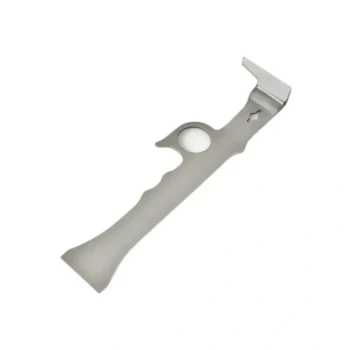
Hive tools, frame grips, brushes, gloves, and inspection surfaces can transfer spores between colonies. Commercial apiaries should maintain multiple tool sets or disinfect tools between colonies and between apiary sites.
A practical sanitation station should include:
- Tool-washing containers
- Approved disinfectant containers
- Clean-water rinse containers
- Drying racks
- Spare hive tools
- Disposable or washable gloves
- Labels for clean, used, and quarantined equipment
Disinfection is effective only after visible wax, propolis, soil, and organic material have been removed.
Disinfectants and application equipment
Empty hive bodies, compatible frame components, and tools can be cleaned with an approved disinfectant used according to its label and local regulations. The references identify potassium permanganate and approximately 500 ppm sodium hypochlorite as examples used in sanitation programs, but these chemicals are not interchangeable for every material or application.
Before implementation, verify:
- The product is approved or permitted for the intended apiary use
- The concentration and contact time are correct
- The material is compatible with wood, metal, plastic, and painted surfaces
- Equipment is rinsed where required
- No residue can contact bees, honey, wax, or feed
- Workers have appropriate chemical PPE and ventilation
Sprayers, measured mixing containers, chemical-resistant gloves, eye protection, and clearly labeled sanitation tanks support consistent application. A sanitation log should record the product, concentration, date, equipment treated, and operator.
Replacement frames and foundation
Old or heavily infected brood comb should be removed from circulation. Where contamination is substantial, destroying the comb is safer than attempting to return it to another colony.
Commercial operators should maintain inventory of:
- Replacement frames
- New foundation
- Spare hive bodies
- Spare bottom boards
- Clean inner and outer covers
- Quarantine pallets or storage areas
Heavily contaminated comb may require destruction, including burning where legally permitted and safely managed. Do not reuse ash, wax, or debris in a way that can reintroduce contamination.
Heat treatment and scorching equipment
A torch or other validated heat-treatment system may be used for suitable wooden hive components, particularly hive-body surfaces and grooves where debris accumulates. The objective is to treat the surface thoroughly without creating a fire hazard or damaging the equipment.
Heat treatment is not automatically appropriate for every component. Plastic parts, painted surfaces, frame hardware, and wax-containing materials may require separate cleaning, disinfection, replacement, or disposal procedures.
Pollen and Feeding Controls
Source pollen from controlled suppliers
Supplemental pollen can introduce fungal spores if it originates from contaminated colonies or is collected from an uncontrolled source. Prefer pollen from traceable, disease-free sources and keep incoming pollen separate until it has passed the apiary’s acceptance procedure.
Pollen traps and collection containers should be cleanable and routinely sanitized. Do not move pollen, feed containers, or feeding equipment between colonies without cleaning.
Use validated pollen treatment only
Pollen sterilization equipment or treatment may be considered when the process has been validated for the relevant pathogen and does not compromise pollen quality. There is no universal treatment that should be assumed to make every pollen product safe.
Commercial buyers should require documented information on:
- Treatment method
- Target organism
- Processing conditions
- Batch traceability
- Storage conditions
- Compatibility with bee nutrition
When validation is unavailable, disease-free sourcing and controlled handling are safer than relying on an unverified sterilization claim.
Maintain clean feeding systems
Feeders, syrup containers, pollen patties, mixing tanks, and delivery tools can become contamination points. Use equipment that is durable, easy to wash, and assigned to clean or quarantined operations.
Prevent bees from different colonies from sharing contaminated feed residues, and remove spoiled or mold-contaminated feed promptly.
Ventilation and Moisture-Control Equipment
Install screened bottom boards
Screened bottom boards improve airflow and provide a removable surface for monitoring and cleaning. They can help reduce dampness when correctly matched to the hive design and local climate.
They should not be treated as a substitute for adequate colony strength, correct hive sizing, or protection from rain.
Use ventilated covers and suitable stands
Ventilated inner covers, screened ventilation components, and elevated hive stands help limit moisture accumulation and improve air movement beneath and around the hive.
Hive stands should keep boxes clear of wet ground and allow inspection, cleaning, and bottom-board replacement without placing equipment directly on contaminated soil.
Prevent water penetration
Hive-making and maintenance equipment should support tight, weather-resistant boxes with correctly fitted covers and joints. Ventilation is beneficial only when it does not permit rain entry or create excessive drafts through the brood nest.
Inspect roofs, covers, seams, entrances, and damaged wooden components routinely. Replace or repair parts that retain water or create persistent damp areas.
Stabilize brood temperature
Excessive ventilation can chill brood, especially in weak colonies, during cold periods, or after splits. Hive configuration, insulation, entrance size, and colony population must be matched to the season and local conditions.
The target is a dry, stable brood-nest microclimate, not maximum airflow under all circumstances.
Preventive Colony and Apiary Measures
Maintain strong colonies
Chalkbrood is more likely to become significant when colonies cannot adequately cover and regulate brood. Avoid unnecessary colony weakening, manage splits carefully, and provide appropriate supplemental nutrition when natural forage is insufficient.
Feeders and queen-rearing equipment can support colony recovery, but they do not replace sanitation or correct moisture problems.
Select hygienic and productive queens
Requeening failing colonies with hygienic bee stock can improve removal of infected larvae and mummies. This is a preventive management tool, not an immediate cure for contaminated equipment or a severe outbreak.
Record queen origin, colony performance, disease observations, and requeening dates so stock decisions can be evaluated over time.
Replace old brood comb systematically
Routine comb replacement reduces the accumulated microbial and chemical burden within the brood nest. Establish a planned rotation rather than waiting until comb is visibly dark, damaged, or heavily contaminated.
Never transfer suspect brood frames between colonies simply to balance populations.
Control equipment movement
Use colony-level or yard-level equipment assignment wherever practical. If frames, hive bodies, bottom boards, or tools must move, they should be inspected, cleaned, disinfected, and documented before reuse.
Quarantine visibly affected colonies and process their equipment last, followed by complete sanitation of tools, gloves, transport containers, and work surfaces.
Monitor for early signs
Inspect bottom boards, entrances, and brood areas for hard, chalk-like mummies. A rise in mummies, patchy brood, or recurring symptoms should trigger a review of colony strength, brood temperature, ventilation, feed sources, and equipment movement.
Chalkbrood can coexist with other stressors, including Varroa infestation and poor nutrition. Correcting those pressures supports the colony’s ability to control the infection.
Understanding the Trade-offs
Disinfection is not a replacement for equipment removal
Disinfectants can reduce contamination on suitable surfaces, but heavily infected porous comb is difficult to decontaminate reliably. Attempting to save every frame can spread spores and cost more than planned replacement.
More ventilation is not always better
Open or screened components may reduce moisture, but excessive airflow can chill brood or stress weak colonies. Ventilation hardware must be combined with appropriate hive sizing, insulation, entrance management, and weather protection.
Chemical handling creates operational risk
Disinfectants require accurate dilution, contact time, PPE, storage, and disposal. Incorrect use can damage equipment, leave residues, harm bees, or expose workers.
Heat treatment requires fire and material controls
Scorching can damage wood, ignite wax, and create serious fire hazards if performed near combustible materials. Use it only with a defined procedure, suitable equipment, trained personnel, and legal approval.
Pollen treatment claims require verification
A supplier’s statement that pollen is “sterilized” should not be accepted without process and batch documentation. Treatment must address the relevant fungal risk without reducing the feed’s practical value to bees.
Making the Right Choice for Your Apiary
A commercial purchasing program should prioritize compatible equipment, rapid replacement capacity, traceable sanitation supplies, and documented operating procedures.
- If your primary focus is outbreak containment: Stock removable bottom boards, spare frames and hive bodies, dedicated hive tools, quarantine containers, approved disinfectants, chemical PPE, and equipment for lawful destruction of heavily infected comb.
- If your primary focus is long-term prevention: Invest in ventilated but weatherproof hive components, elevated stands, planned brood-comb replacement, clean feeding systems, and traceable disease-free pollen sourcing.
- If your primary focus is high-volume commercial operations: Standardize sanitation stations, tool sets, labels, transport bins, replacement parts, and inspection records across every yard.
- If your primary focus is colony recovery: Combine hygienic queen stock, adequate nutrition, appropriate hive sizing, Varroa management, and stable brood temperature with strict control of contaminated equipment movement.
A disciplined combination of sanitation, dry and stable hive conditions, strong colonies, and controlled equipment logistics is the most reliable commercial defense against Chalkbrood.
Summary Table:
| Category | Equipment/Measure | Purpose |
|---|---|---|
| Sanitation | Removable bottom boards, scrapers, collection trays | Remove contaminated debris and mummies |
| Disinfection | Approved disinfectants, application equipment, PPE | Reduce viable spores on surfaces |
| Replacement | Frames, foundation, hive bodies, bottom boards | Replace heavily contaminated comb |
| Ventilation | Screened bottom boards, ventilated covers, stands | Reduce moisture and improve airflow |
| Pollen Control | Traceable sources, validated treatment, clean feeders | Prevent spore introduction via pollen |
| Colony Management | Hygienic queens, nutrition, Varroa control | Strengthen colonies and enhance hygiene |
Equip your apiary with the right tools to control Chalkbrood. Contact HONESTBEE for reliable, high-quality beekeeping equipment—from sanitization gear to ventilation solutions. As a one-stop wholesale supplier for commercial apiaries, we offer fast delivery, dedicated support, and a full spectrum of products. Get in touch today to secure your supply chain and protect your colonies. Contact us now!
Related Products
- Professional Stainless Steel Pry-Bar Hive Tool
- Ergonomic Two Person Foldable Hive Lifter
- Heavy-Duty Ergonomic Stainless Steel Pollen Shovel
- Metal Hive Feet Bee Hive Stand for Ant Protection
- Premium Comfort Grip Spring-Loaded Hive Handles
People Also Ask
- What is the function of a professional stainless steel hive tool in IFB? Optimize Your Colony Strength Assessment
- Which technical challenges in hive maintenance are addressed by using a professional stainless steel hive tool?
- What are the primary functions of a stainless steel hive tool? Essential Tips for Efficient Apiary Maintenance
- What are the primary functions of a stainless steel hive tool? Essential Equipment for Professional Beekeeping
- What is the role of professional hive tools in routine apiary maintenance? Expert Tips for Hive Health and Longevity