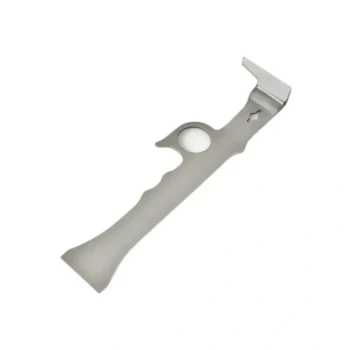
Professional beekeeping equipment serves as the operational backbone for reliable non-seasonal agriculture. By installing specialized hive infrastructure within greenhouses and controlled environments, growers can maintain managed pollination cycles that are completely independent of external weather conditions. This capability allows for the consistent production of fresh produce during off-peak seasons, directly securing market reliability and stabilizing procurement schedules.
By bringing professional hive systems indoors, growers convert pollination from an unpredictable natural event into a controllable production variable, ensuring high-yield consistency regardless of the season.
Achieving Year-Round Production Stability
Decoupling from External Conditions
The primary value of professional equipment in this context is risk mitigation. In a controlled environment, the hive infrastructure ensures that crop development continues even when external conditions—such as freezing temperatures or heavy rain—would halt natural pollination.
Ensuring Consistent Fruit Set
Specialized hives located within the facility provide immediate access to blooms. This proximity ensures that pollination occurs at the optimal biological moment, guaranteeing consistent fruit set and uniform crop development.
Stabilizing the Supply Chain
By removing seasonality from the pollination equation, operations can promise a steady supply of fresh produce. This reliability is essential for meeting procurement contracts during months when outdoor agricultural production is dormant.
Operational Efficiency and Colony Health
Standardized Infrastructure
Professional equipment replaces ad-hoc methods with standardized beehives and tools. This standardization significantly reduces the labor intensity required to manage the colonies, allowing facility staff to handle pollination management more scientifically.
Protecting the Pollinators
Controlled environments can be stressful for bees; professional gear provides necessary survival and breeding space. These facilities protect the colony from chemical exposure and stress, ensuring a healthy population is always available to facilitate reproduction.
Enhancing Yield Quality
The use of high-performance tools correlates directly with superior seed yields and fruit shapes. Healthy, well-managed colonies provide high-intensity pollination services, which results in better cross-pollination and higher quality agricultural output per unit area.
Understanding the Trade-offs
The Requirement for Specialized Competence
Owning the equipment is not enough; it requires professional training and technical transfer. Without understanding modern colony management techniques, the high-performance potential of the equipment cannot be realized.
Management Complexity
While the equipment reduces physical labor, it increases the need for standardized operating procedures. Integrating live pollinators into a greenhouse requires precise management to prevent colony collapse, demanding a strict adherence to operational protocols that traditional farming may not require.
Making the Right Choice for Your Goal
To maximize the value of professional beekeeping equipment in your facility, align your investment with your specific operational targets:
- If your primary focus is Market Consistency: Prioritize equipment that offers maximum protection and stability for the colony to ensure uninterrupted pollination during off-peak winter months.
- If your primary focus is Operational Scalability: Focus on standardized hive systems and matching tools that reduce labor intensity and allow for scientifically replicable management across multiple greenhouse units.
Success in non-seasonal agriculture relies not just on the controlled climate, but on the precise, managed application of pollination infrastructure.
Summary Table:
| Key Benefit | Impact on Production | Operational Value |
|---|---|---|
| Climate Independence | Decouples pollination from weather | Ensures year-round harvesting |
| Consistent Fruit Set | Uniform crop development | Higher quality & seed yield |
| Infrastructure Standardization | Reduced labor intensity | Scalable management protocols |
| Colony Health Support | Mitigates greenhouse stress | Sustained pollination intensity |
Elevate Your Agricultural Output with HONESTBEE
Transition from unpredictable seasonal yields to a reliable, high-performance production model. HONESTBEE specializes in supporting commercial apiaries and agricultural distributors with a comprehensive range of professional beekeeping machinery, specialized hive-making tools, and essential consumables. Whether you are scaling greenhouse operations or supplying large-scale distributors, our hardware—from honey-filling machines to specialized hive components—is engineered for durability and efficiency.
Ready to secure your year-round supply chain? Contact HONESTBEE today to access the professional tools and industry expertise needed to transform your pollination management into a precise, high-yield variable.
References
- Bessie DiDomenica, Mark Gordon. Food Policy: Urban Farming as a Supplemental Food Source. DOI: 10.5590/josc.2016.08.1.01
This article is also based on technical information from HonestBee Knowledge Base .
Related Products
- Professional Bee Smoker with Elongated Spout and Durable Bellows for Beekeeping
- HONESTBEE Professional Mini J-Hook Hive Tool for Beekeeping
- Professional 600D Oxford Cloth Beekeeping Tool Bag with 8 Pockets and Elastic Loops
- Professional Stainless Steel J-Hook Hive Tool
- Stainless Steel J Hook Hive Tool for Beekeeping
People Also Ask
- What roles do bee smokers and precision tools play in honey harvesting? Master Safety and Quality Control
- Why is the use of professional bee smokers and specialized fuel essential? Protect Honey Purity & Colony Safety
- Why is a professional bee smoker considered an essential tool for hive management and safety? Master Colony Control.
- How do professional bee smokers facilitate bee management? Enhancing Forest Beekeeping Safety and Efficiency
- Why is a professional Smoker essential during routine apiary inspections? Enhance Safety and Operational Efficiency