Commercial apiaries should assess colony strength, brood development, food security, queen performance, bee behavior, and hive condition during routine inspections. Using hive tools, frame equipment, protective gear, scales, and standardized records, operators can identify changes before obvious colony failure occurs. These observations are indirect indicators: they reveal colony vigor and risk but do not replace laboratory confirmation for pathogens or parasites.
The most useful inspection program combines several indicators rather than relying on one sign. A consistent record of brood pattern, adult bee coverage, food reserves, queen activity, entrance behavior, hive weight, and equipment condition helps managers detect gradual decline and intervene earlier.
What Indirect Indicators Reveal About Colony Health
Brood Pattern and Brood Area
A uniform, compact brood pattern generally indicates effective queen performance and coordinated nurse-bee activity. Scattered, irregular, or unusually small brood areas should prompt closer evaluation of queen status, nutrition, pests, and disease risk.
Record the approximate number of frames containing brood and whether the brood is concentrated, expanding, or contracting between inspections. A single inspection provides limited information; trend data is more valuable.
Adult Bee Population
Estimate the number of frames substantially covered by adult bees, both inside the hive and on the combs being inspected. A strong adult population should provide adequate coverage for brood care, temperature regulation, foraging, and defense.
Declining bee coverage, especially when brood remains present, may indicate emerging stress, queen problems, inadequate food, or other management concerns.
Queen Presence and Performance
Confirm whether the queen is present and look for evidence of recent egg laying. A marked queen can make identification faster, but fresh eggs and an appropriate brood pattern are often more meaningful indicators of current performance.
If the queen cannot be found, do not immediately assume queenlessness. Use brood evidence, colony behavior, and follow-up inspections to distinguish a missed queen from a genuine queen problem.
Food Reserves
Assess the amount and distribution of stored honey and pollen. Honey crowns and other carbohydrate reserves support energy demands, while diverse pollen stores support brood rearing and worker development.
Frame weight can provide a useful practical estimate of stores, particularly when combined with gross hive-weight measurements. However, visual estimates should be recorded consistently because frame appearance varies with comb age and density.
External Indicators to Check Before Opening the Hive
Entrance Flight Activity
Observe the level and character of flight activity at the entrance. Normal activity varies with weather, time of day, season, forage availability, and colony size, so comparisons should be made under similar conditions whenever possible.
A sudden reduction in flight activity, particularly across multiple observation periods, is more informative than a quiet entrance during cold, rainy, or windy conditions.
Pollen Returns
Estimate the proportion of returning foragers carrying pollen. Pollen collection can indicate active foraging and brood-rearing demand, although the absence of pollen at one moment does not prove a problem.
Record the observation alongside weather and forage conditions. This prevents normal environmental variation from being mistaken for colony decline.
Dead, Crawling, or Abnormal Bees
Look for unusual numbers of dead, trembling, disoriented, or crawling bees near the entrance. These observations are warning signs, not diagnoses, and should be interpreted alongside internal findings and, when necessary, laboratory testing.
A clean entrance does not guarantee a healthy colony, because bees may remove dead individuals or problems may be occurring inside the hive.
Temperament and Defensive Behavior
Changes in bee temperament can provide an indirect signal of colony stress, queen status, environmental disturbance, or handling conditions. Record unusual aggression, excessive agitation, or abnormal lethargy.
Temperament is highly sensitive to weather, nectar flow, time of day, genetics, and inspection technique. It should therefore support—not replace—structural and biological observations.
Internal Frame and Hive Indicators
Comb Construction and Brood-Rearing Space
Check whether workers are building out foundation and whether usable comb is available for brood, food storage, and expansion. Poor comb development may restrict colony growth or indicate insufficient population, inadequate forage, or management constraints.
Inspect brood comb for excessive drone-cell development, hardened or mouldy pollen, contamination, and physical damage. Frames that no longer provide suitable brood-rearing space should be scheduled for controlled replacement.
Visible Pest or Damage Signals
During frame inspections, look for visible signs of Varroa mites, wax moth activity, damaged comb, and other pest pressure. These findings justify a more focused assessment but should not be treated as definitive diagnosis without appropriate testing.
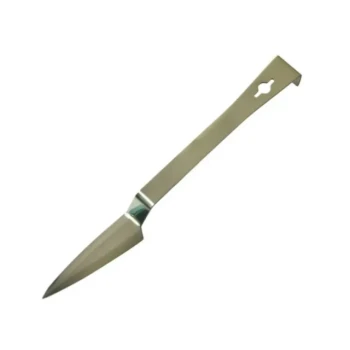
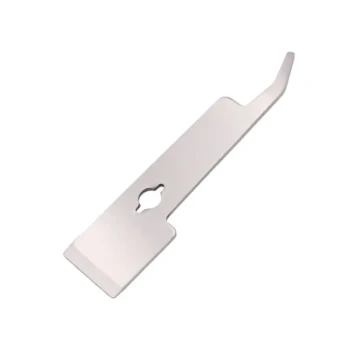
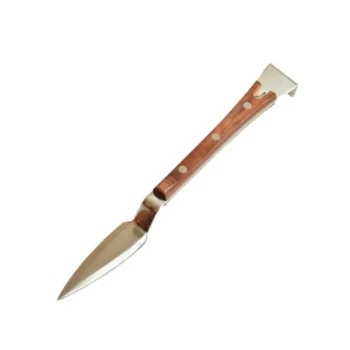
Use hive tools and frame-handling equipment to examine the entire comb surface carefully, including corners, lower edges, and areas that may be missed during a quick visual check.
Hive Weight and Resource Balance
A gross hive-weight estimate can help track changes in food stores, population, and seasonal development. Portable scales or load-cell monitoring systems are particularly useful for commercial operations managing many colonies.
Weight data is most useful when compared with the colony’s own historical baseline. Absolute weight alone can be misleading because hive design, equipment configuration, and seasonal conditions vary.
Equipment and Structural Integrity
Inspect roofs, boxes, floors, entrances, stands, frames, and other woodenware for water penetration, instability, gaps, damage, or excessive deterioration. Sound, waterproof equipment helps maintain the colony’s thermal environment and reduces avoidable stress.
Hive stands should remain rigid and level, especially when colonies are carrying heavy seasonal loads. Equipment failures can create health risks even when the bees themselves initially appear normal.
How to Turn Observations Into Useful Data
Use Standardized Inspection Records
Record the same core indicators for every colony: adult bee coverage, brood frames, brood-pattern quality, queen evidence, honey and pollen reserves, entrance activity, abnormal bees, visible pest signs, hive weight, and equipment condition.
Use simple rating scales or consistent counts rather than free-form descriptions alone. Standardization allows managers to compare colonies, identify trends, and prioritize follow-up inspections.
Focus on Changes Over Time
The direction of change is often more informative than a single measurement. A gradual reduction in bee coverage, brood area, weight, or foraging activity should receive attention even if the colony still appears functional.
Compare colonies by season, location, queen age, production objective, and equipment type. This creates a more reliable baseline for management decisions.
Combine External and Internal Observations
Entrance observations provide a low-disturbance screening method, while frame inspections provide deeper information about brood, stores, queen activity, and comb condition. Using both reduces the risk of making decisions from incomplete evidence.
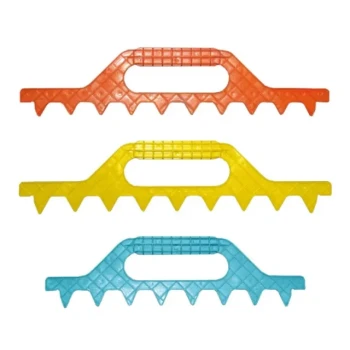
For large operations, modular hive components, durable frames, hive tools, protective equipment, scales, and monitoring devices can improve inspection speed and consistency when they are integrated into a clear workflow.
Understanding the Trade-offs
Indirect Indicators Are Efficient but Non-Specific
Routine observations are faster and less disruptive than laboratory sampling, making them practical for commercial apiaries. However, the same sign—such as reduced activity or an irregular brood pattern—can have several possible causes.
Use indirect indicators to flag risk and guide next steps, not to assign a definitive diagnosis.
Frequent Inspections Can Create Stress
Regular inspection is necessary, but opening colonies too often can disturb bees and consume operational time. Inspection frequency should reflect season, weather, colony risk, production objectives, and recent management actions.
Entrance monitoring, hive-weight data, and other low-disturbance tools can reduce unnecessary hive openings.
Visual Scoring Requires Training
Different operators may rate brood pattern, bee coverage, temperament, or food reserves differently. Clear scoring criteria, representative photographs, calibration exercises, and periodic supervisor review improve consistency across crews.
Equipment Quality Affects the Data
Damaged frames, unstable stands, poor lighting, inadequate protective equipment, or unreliable scales can reduce inspection quality and create safety risks. A coordinated equipment portfolio—from hive hardware and frames to protective clothing and monitoring tools—supports more repeatable field work.
Making the Right Choice for Your Inspection Program
The best indicator set depends on whether the operation prioritizes production, survival, breeding, pollination, or rapid risk detection.
- If your primary focus is early decline detection: Track brood-pattern quality, adult bee coverage, entrance activity, abnormal bees, queen evidence, and hive weight as repeatable time-series indicators.
- If your primary focus is colony productivity: Prioritize population strength, brood expansion, honey and pollen reserves, comb availability, and the condition of supers and frames.
- If your primary focus is disease and pest risk management: Combine visible pest or damage signs with systematic records and confirmatory sampling when observations suggest a problem.
- If your primary focus is operational efficiency: Standardize inspection kits, scoring forms, frame-handling procedures, protective equipment, and monitoring tools across the apiary.
- If your primary focus is long-term equipment reliability: Inspect roofs, boxes, floors, stands, frames, and waterproofing during the same visit so structural problems are corrected before they affect colony stability.
A disciplined combination of field observations, reliable equipment, and consistent records turns routine inspections into an early-warning system for commercial colony health.
Summary Table:
| Indicator | What to Assess | Why It Matters |
|---|---|---|
| Brood pattern | Uniform, compact pattern; trend in area | Reflects queen performance and nurse bee activity |
| Adult bee population | Frames covered with bees | Indicates colony strength and stress |
| Queen performance | Presence, egg laying, brood evidence | Central to colony reproduction and vigor |
| Food reserves | Honey and pollen stores | Supports energy demands and brood rearing |
| Entrance activity | Flight intensity, pollen returns | Screens colony activity and foraging |
| Abnormal bees | Dead, crawling, disoriented | Warning signs of potential issues |
| Hive weight | Changes over time | Tracks stores and population changes |
| Equipment condition | Structural integrity, waterproofing | Affects thermal stability and stress |
Ensure your bee colonies flourish with HONESTBEE's comprehensive wholesale beekeeping equipment and supplies. From hive tools to monitoring systems, our premium trading services cater to commercial apiaries and distributors. Benefit from rapid response, OEM/ODM support, and ultra-fast delivery. Contact us today to boost your apiary's efficiency and profitability! Get in touch.
Related Products
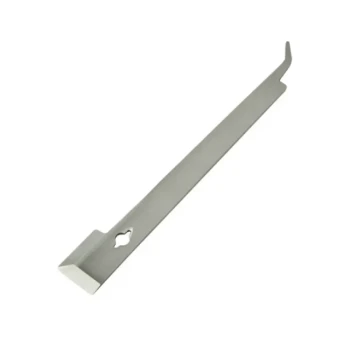
- Stainless Steel J Hook Hive Tool for Beekeeping
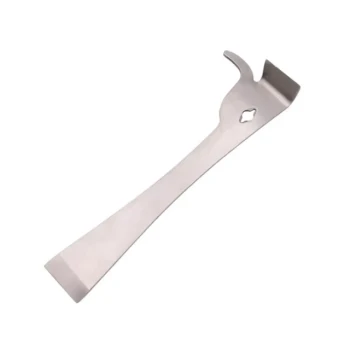
- Professional Multi-Function Stainless Steel Hive Tool
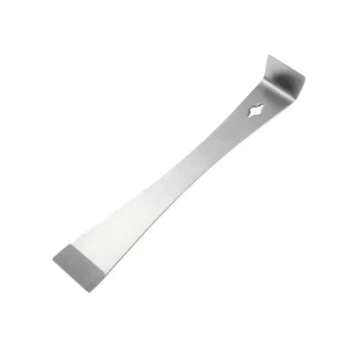
- Professional Stainless Steel Pry-Bar Hive Tool
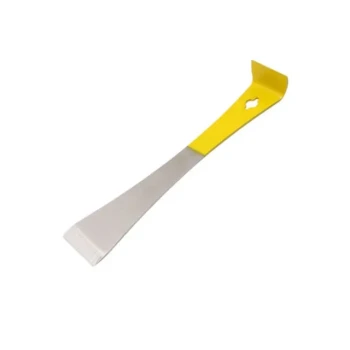
- HONESTBEE Classic Pry Bar Hive Tool with High Visibility Finish for Beekeeping
- HONESTBEE Professional Long Handled Hive Tool with Precision Cutting Blade
People Also Ask
- What specific challenges do beekeeping hive tools address during hive maintenance? Essential Solutions for Apiaries
- What are the features of a J-hook hive tool? Effortlessly Lift Frames with Superior Leverage
- What is a J-hook hive tool and why is it favored by some beekeepers? Master Gentle Frame Handling
- What is the purpose of the J-hook hive tool? Effortlessly Lift Frames with Superior Leverage
- How is a J-hook hive tool designed and what is its primary use? Master Effortless Hive Inspections