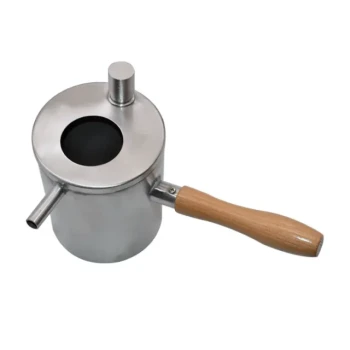
A beekeeper's smoker is the primary safety device used to calm honeybees during hive inspections and maintenance. It is a handheld tool, typically shaped like a metal canister with attached bellows, that generates and directs cool smoke to suppress the colony's defensive behaviors.
The smoker functions by triggering a survival instinct that distracts the bees while simultaneously masking the chemical alarm signals they use to coordinate attacks.
The Anatomy of the Device
The Firebox and Bellows
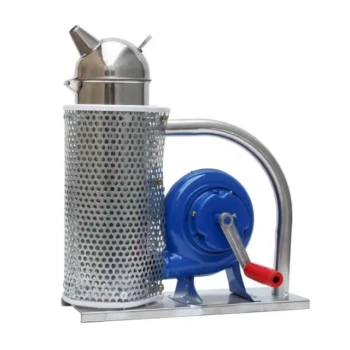
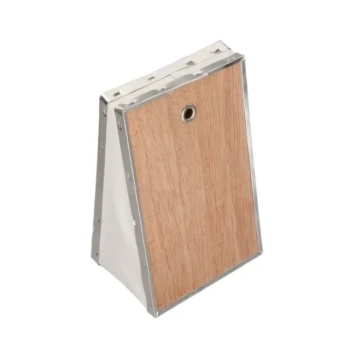
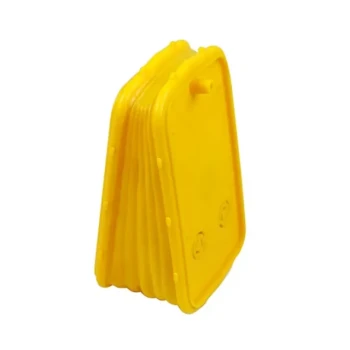
The core of the smoker is a metal firebox, or combustion chamber, often resembling a teapot with a directional nozzle. Attached to the side are the bellows, consisting of two hinged plates.
Internal Airflow Design
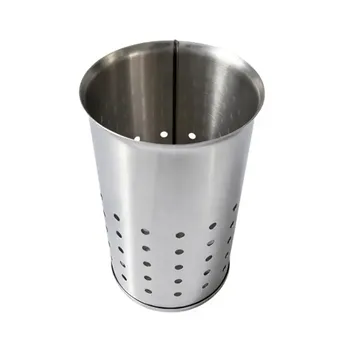
Inside the firebox, a grate or inner cup holds the fuel off the bottom of the canister. This gap is critical; it creates a space for air to circulate underneath the fuel source.
The Combustion Mechanism
When the operator squeezes the bellows, air is forced into the bottom of the chamber. This oxygen travels upward through the burning material, exiting through the top spout as a puff of white smoke.
How Smoke Affects Bee Biology
Masking Alarm Pheromones
When guard bees perceive a threat, they release specific alarm pheromones to alert the colony. Smoke physically masks these chemical scents, effectively jamming the bees' communication network. Without this signal, the colony cannot coordinate a defensive mass attack.
The "Wildfire" Response
Smoke triggers a primal evolutionary instinct in honeybees, leading them to believe a forest fire is nearby. In response, they immediately begin gorging on honey to save resources in case they need to abandon the hive.
Physical Impediment to Stinging
Because the bees gorge themselves on honey, their abdomens become distended and full. This physical change makes it difficult for a bee to curl its abdomen upwards, which is the required posture for stinging.
Operational Mechanics
Fuel and Flame Placement
For the smoker to work correctly, the flame must be positioned below the fuel, not on top of it. This ensures the air pumped from the bellows feeds the fire from the bottom up, maintaining a consistent smolder.
Cool vs. Hot Smoke
The goal is to produce cool, white smoke. Beekeepers use slow-burning materials like dry leaves, pine needles, or cardboard. If the smoke is too hot or the flames exit the nozzle, it can singe the bees' wings and cause permanent damage.
Common Pitfalls to Avoid
The Danger of Over-Smoking
While smoke calms bees, too much of it can have the opposite effect. An overwhelming amount of smoke can irritate the colony, causing stress and potentially ruining the flavor of the honey.
Incomplete Combustion
A common error is packing fuel too tightly or failing to establish a bed of coals at the bottom. This prevents proper airflow, causing the smoker to extinguish midway through an inspection, leaving the beekeeper vulnerable.
Improper Fuel Selection
Never use synthetic materials or fuels treated with chemicals. The smoke enters the hive and contacts the comb; toxic fumes can harm the bees and contaminate the honey harvest.
Making the Right Choice for Your Goal
When using a smoker, your approach should adapt to the specific situation in the apiary.
- If your primary focus is routine inspection: Use gentle, cool puffs across the entrance and top bars to mask pheromones without disrupting hive productivity.
- If your primary focus is managing an aggressive hive: Ensure your fuel source is dense to provide a consistent, thicker volume of smoke to fully trigger the gorging instinct.
- If your primary focus is personal safety after a sting: Apply smoke directly to the sting site on your suit or skin to mask the target pheromone and prevent other bees from stinging the same spot.
Mastering the smoker is not just about keeping the fire lit; it is about controlling the colony's environment to ensure the safety of both the keeper and the bees.
Summary Table:
| Feature | Function & Impact |
|---|---|
| Core Mechanism | Bellows-driven combustion chamber producing cool, white smoke. |
| Bee Behavior | Triggers honey gorging and masks defensive alarm pheromones. |
| Optimal Fuel | Natural materials like pine needles, dry leaves, or burlap. |
| Best Practice | Maintain the flame below the fuel for a consistent smolder. |
| Safety Benefit | Prevents colony-wide defensive attacks and individual stinging. |
Elevate Your Apiary Management with HONESTBEE
At HONESTBEE, we understand that a calm hive is a productive hive. As a premier partner for commercial apiaries and beekeeping distributors, we provide the high-quality tools you need to manage your colonies with precision and safety. From durable, high-capacity smokers to advanced honey-filling machines and hive-making hardware, our comprehensive wholesale inventory covers every aspect of professional beekeeping.
Why partner with HONESTBEE?
- Full-Spectrum Supply: Access a complete range of beekeeping machinery, tools, and essential industry consumables.
- Commercial Scale: Tailored wholesale solutions designed for distributors and large-scale operations.
- Expert Support: Benefit from our deep industry knowledge and diverse portfolio, including honey-themed cultural merchandise.
Ready to upgrade your equipment or stock your distribution line? Contact us today to discover how HONESTBEE can fuel your business growth.
Related Products
- Stainless Steel Honey Bee Smoker Hive and Honeycomb Smoker for Beekeeping
- Professional Bee Smoker with Elongated Spout and Durable Bellows for Beekeeping
- Heavy Duty Manual Bee Smoker Blower for Beekeeping
- Stainless Steel Electric Beehive Smoker for Beekeeping and Bee Keeper Use
- Miniature Stainless Steel Bee Smoker for Beekeeping
People Also Ask
- What are bee smokers made out of? Choose the Right Material for Your Apiary
- What type of bee smoker is recommended for a beginner? Top Picks for Easy Hive Management
- Why is a stainless steel bee smoker considered indispensable? Master Hive Management with Cool Smoke Technology
- How do bee smokers and colored light sources work together to assist in night-time honey harvesting? Expert Strategies
- How should a beekeeper use a smoker when approaching a hive? A Guide to Calm, Safe Inspections