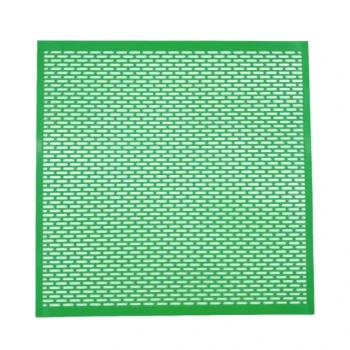
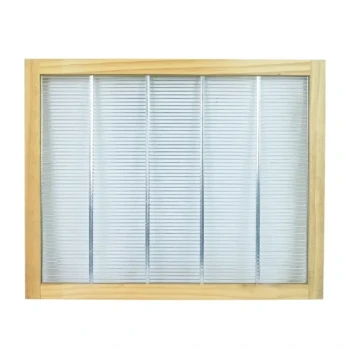
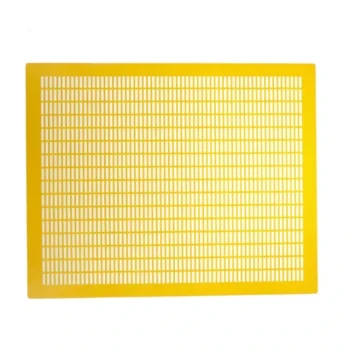
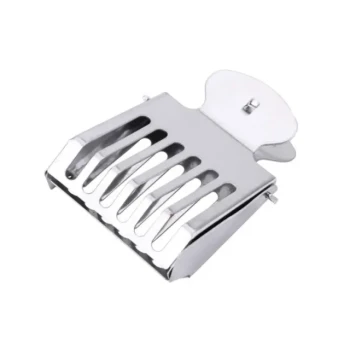
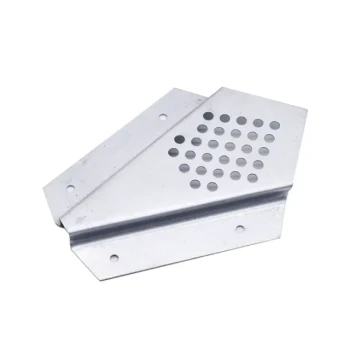
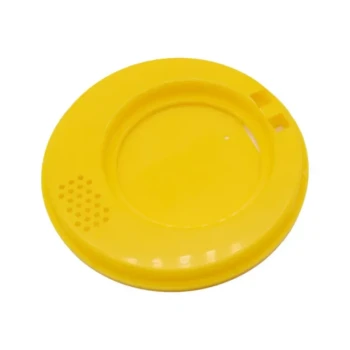
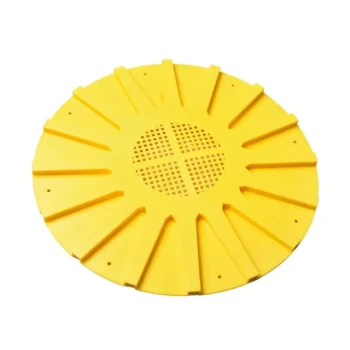
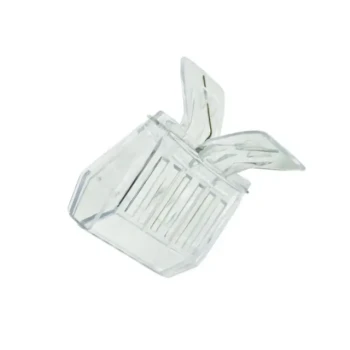
A queen excluder is a selective mechanical barrier placed within a beehive, specifically designed to restrict the movement of the queen bee. Typically constructed from metal wire, zinc sheets, or plastic, this grid sits between the brood chamber and the honey supers. Its design relies on precise spacing: the openings are large enough for smaller worker bees to pass through freely but too narrow for the larger thorax of the queen or drone bees.
Core Insight: The use of a queen excluder represents a trade-off between harvest convenience and colony efficiency. While it guarantees that honey supers remain free of eggs and larvae, it creates a traffic bottleneck that can frustrate worker bees and significantly reduce honey yield, earning it the nickname "honey excluder" among critics.
The Mechanics of Hive Management
Spatial Control Based on Biology
The function of the excluder is purely mechanical, relying on the physical size difference between castes of bees.
The queen and the male drones have larger thoraxes than the female worker bees. By placing this grid above the brood boxes, you physically confine the queen to the lower section of the hive.
Defining Hive Zones
Modern beekeeping divides the hive into two distinct areas: the brood chamber (where babies are raised) and honey supers (where surplus honey is stored).
Without a barrier, a prolific queen will naturally move upward, laying eggs in any available comb. The excluder enforces a strict boundary, ensuring the upper boxes are reserved exclusively for honey storage.
The Case for Usage: Purity and Convenience
Ensuring Brood-Free Harvests
The primary benefit of the excluder is the assurance of a "clean" harvest.
When you remove frames to extract honey, you do not want to find patches of developing larvae (brood) mixed in with the capped honey. Extracting frames containing brood can damage the developing bees and contaminate the honey.
Specialized Applications
Beyond standard honey production, excluders are essential tools for advanced apiary tasks.
They are critical for queen rearing, producing royal jelly, and managing multi-queen colonies, where precise control over the queen's location is non-negotiable.
Understanding the "Honey Excluder" Controversy
The Traffic Jam Effect
The most significant argument against these devices is that they hinder the natural movement of the workforce.
While worker bees can fit through the gaps, it requires effort to squeeze through. This creates congestion as thousands of foragers attempt to move nectar from the brood nest up to the supers.
Reduced Production
Many experienced beekeepers observe that colonies with excluders store less honey in the supers.
If the workers find the barrier too difficult to navigate, they may refuse to pass through it entirely. This phenomenon leads to the derogatory term "honey excluder," implying the device excludes honey as effectively as it excludes the queen.
Swarming Risks
A secondary consequence of the "traffic jam" is the potential for swarming.
If workers refuse to cross the excluder, they may backfill the brood nest with nectar instead. This limits the queen's laying space, creating a sensation of overcrowding that often triggers the colony's instinct to swarm and leave the hive.
Making the Right Choice for Your Goal
Whether you use an excluder depends on your specific management philosophy and what you value most in your operation.
- If your primary focus is maximum honey yield: Avoid the excluder to allow unrestricted movement for workers, accepting the risk that you may need to sort through frames to avoid brood during harvest.
- If your primary focus is ease of extraction: Use a metal excluder (which generally offers better airflow than plastic), ensuring your honey supers remain 100% free of larvae and eggs.
The best approach is often to view the excluder not as a permanent fixture, but as a specific tool used only when the flow of nectar demands it.
Summary Table:
| Feature | Purpose/Effect | Impact on Hive |
|---|---|---|
| Function | Physical barrier (metal/plastic) | Restricts queen movement to brood chambers |
| Spacing | Sized for workers, not queens | Ensures honey supers remain brood-free |
| Harvesting | Clean honey extraction | Simplifies honey collection without larvae |
| Efficiency | Potential traffic congestion | Can reduce honey yield if workers avoid the grid |
| Risk | Backfilling the brood nest | May trigger swarming instincts due to overcrowding |
Maximize Your Apiary Productivity with HONESTBEE
Whether you are a commercial apiary seeking maximum honey yields or a distributor looking for high-quality supplies, HONESTBEE provides the professional-grade tools you need. From precision-manufactured queen excluders (metal and plastic) to industrial honey-filling machines and hive-making equipment, we supply the full spectrum of beekeeping hardware and consumables.
Partner with HONESTBEE for:
- Comprehensive Wholesale Range: One-stop sourcing for tools, machinery, and cultural merchandise.
- Specialized Machinery: Advanced solutions for commercial-scale honey processing.
- Industry Expertise: Durable products designed for efficiency and colony health.
Ready to scale your beekeeping operation? Contact us today for a wholesale quote and let HONESTBEE support your business growth!
Related Products
- High Performance Plastic Queen Excluder for Beekeeping and Apiary Management
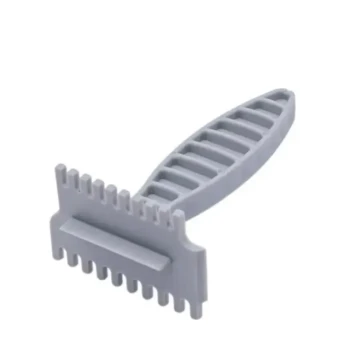
- Lightweight Durable Plastic Queen Excluder Scraper for Beekeeping
- Premium Wood Framed Metal Wire Queen Bee Excluder
- Professional Plastic Queen Excluder for Modern Beekeeping
- Metal Queen Bee Excluder for Beekeeping
People Also Ask
- What are the characteristics of a plastic queen excluder? Key Benefits for Cost-Effective Beekeeping
- What are the operational and cost advantages of using plastic queen excluders over metal or wire excluders in commercial hive management? Discover how they reduce labor, prevent wing damage, and lower total costs.
- What types of queen excluders are available for beekeepers? Choose the Right Tool for Your Hive
- Why are standardized hive frames and queen excluders essential for maintaining honey purity and quality? Scale Your Purity
- Do plastic queen excluders work? A Cost-Effective Solution for Modern Apiaries