The fundamental and universal requirement regarding hive type is that every hive must be equipped with movable frames to ensure the colony can be inspected. Regardless of the aesthetic or design preference of the beekeeper, the internal structure must allow for individual combs to be removed and examined without destroying the hive.
The core mandate for responsible beekeeping is the ability to monitor colony health through regular access to the comb. Consequently, using hives with movable frames is not merely a recommendation; it is often a legal necessity to enable proper stewardship.
The Principle of Inspectability
The Necessity of Movable Frames
The defining characteristic of an acceptable hive is the presence of movable frames. This mechanical feature allows the beekeeper to lift out sheets of comb to examine the brood, honey stores, and the bees themselves.
Without this capability, a hive is considered a "fixed-comb" vessel. Fixed-comb hives prevent the non-destructive access required for modern management standards.
The Duty to Inspect
Every beekeeper bears the responsibility of maintaining a hive that allows for inspection. This is the operational "why" behind the hardware requirement.
Regular inspections are critical for monitoring the health of the colony. If a hive cannot be opened and inspected, the beekeeper cannot effectively fulfill their duty of care.
Legal and Ethical Implications
Regulatory Compliance
In many jurisdictions, the requirement for movable frames is codified into law. It is frequently illegal to keep bees in hives that do not feature movable frames.
These laws exist primarily to control disease. Government apiary inspectors must be able to examine hives to prevent the spread of pests and pathogens to neighboring colonies.
Professional Responsibility
Beyond legal statutes, using inspectable equipment is a matter of ethical stewardship. A beekeeper must be able to verify the condition of their livestock.
Choosing a hive design that obstructs inspection impedes the beekeeper's ability to intervene when the colony is struggling.
Common Pitfalls to Avoid
The Risk of Fixed-Comb Systems
New beekeepers are sometimes attracted to "natural" or decorative skeps and baskets that lack internal frames. You must objectively recognize that these designs often violate the requirement for inspectability.
Once bees build comb in a frameless cavity, it adheres to the walls, making removal impossible without cutting and damaging the colony. This renders the hive unmanageable and potentially illegal.
Ignoring Local Legislation
A common mistake is assuming that hive choice is purely a matter of personal preference. Failing to verify local ordinances regarding movable frames can lead to legal penalties.
If an outbreak occurs, authorities may require the destruction of hives that cannot be inspected, resulting in a total loss for the beekeeper.
Making the Right Choice for Your Goal
When selecting a hive, you must prioritize the internal mechanism over external aesthetics.
- If your primary focus is Legal Compliance: Verify that your chosen hive design explicitly features movable frames to meet jurisdictional mandates.
- If your primary focus is Colony Stewardship: Ensure the frames are designed for easy manipulation to facilitate regular health checks without excessive disturbance.
Ultimately, the right hive is one that grants you access to your bees, ensuring you can protect both your colony and the wider beekeeping community.
Summary Table:
| Feature | Movable Frame Hives | Fixed-Comb Hives |
|---|---|---|
| Inspectability | High - Individual combs removable | Low - Combs attached to walls |
| Health Monitoring | Easy access to brood and stores | Requires destructive cutting |
| Legal Status | Required in most jurisdictions | Often prohibited by law |
| Disease Control | Facilitates rapid inspection | Hinders pest management |
| Honey Harvest | Non-destructive extraction | Destructive extraction |
Scale Your Apiary Operations with HONESTBEE
Maintaining professional standards starts with the right equipment. At HONESTBEE, we specialize in supporting commercial apiaries and distributors with a comprehensive wholesale inventory designed for efficiency and compliance.
Whether you need precision-engineered hive-making machinery, high-output honey-filling machines, or a bulk supply of movable-frame hive components and industry consumables, we provide the tools you need to succeed at scale. Our portfolio also includes unique honey-themed cultural merchandise to help you expand your brand's reach.
Partner with HONESTBEE today to streamline your production and ensure the highest standards of stewardship.
Related Products
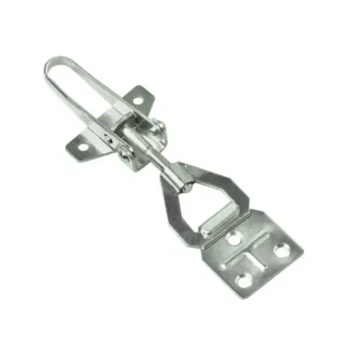
- Heavy Duty Adjustable Hive Connector
- Professional Grade Foldable Beehive Handles
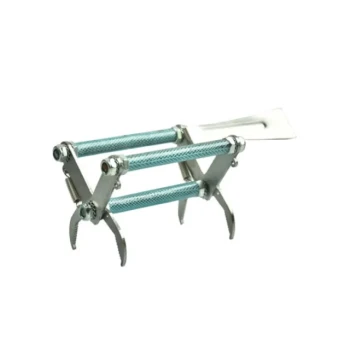
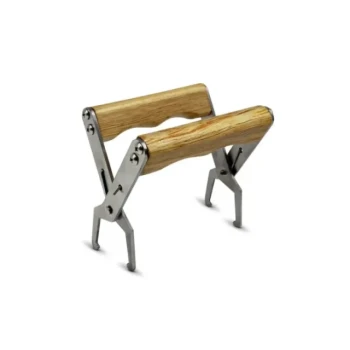
- Multi-Function Plier-Style Frame Grip Hive Tool
- Plastic Bee Frame Beekeeping Hive Frames for Wholesale
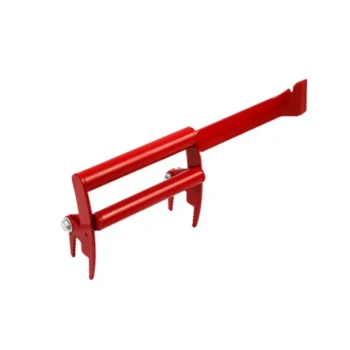
- Heavy-Duty Lever-Action Frame Grip with Hive Tool
People Also Ask
- Under what circumstance are beehive connectors particularly beneficial? Optimize Handling for Full Beehive Attachments
- What is the advantage of using the beehive connector when handling full attachments? Achieve Safe and Efficient Hive Transport
- What are the primary functions of a beehive connector? Ensure Hive Stability and Safe Colony Transport
- How can the connection length and strength of a beehive connector be adjusted? Master Tension with Threaded Mechanics
- What is the purpose of the beehive connector? Secure Your Hive for Safe Transport