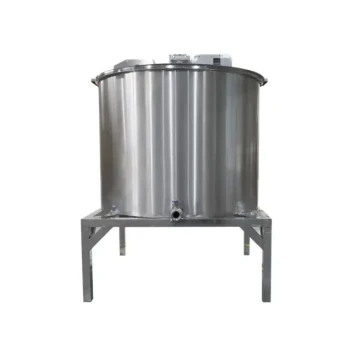
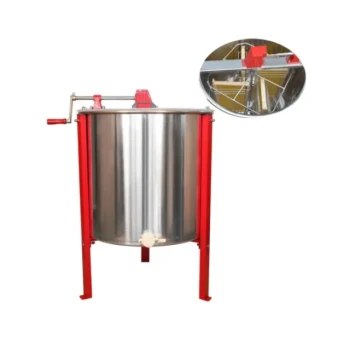
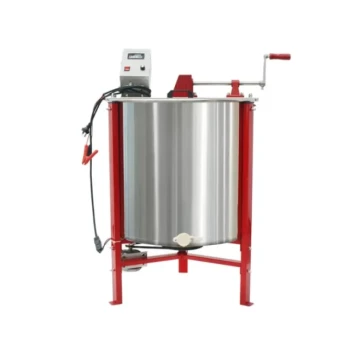
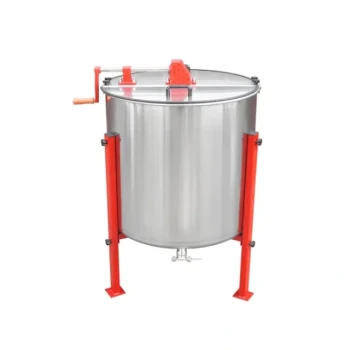
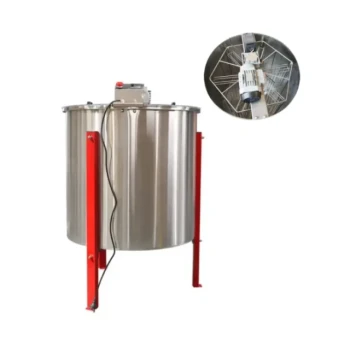
The energy consumption of automatic honey extractors is variable and heavily dependent on the specific model and its intended capacity. While most modern units are engineered with energy-efficient motors to optimize performance, larger machines designed to process higher volumes of frames will inherently require a greater energy input to operate effectively.
The rule of thumb for automatic extractors is that power demand scales with size; while the motors are generally efficient, moving from a small unit to a high-capacity commercial machine increases the energy required to spin the heavier load.
Drivers of Energy Consumption
The Correlation Between Capacity and Power
The most significant factor influencing energy usage is the physical capacity of the machine. Automatic extractors are available in a wide range of sizes, capable of holding anywhere from 2 to 72 frames at a time.
As the number of frames increases, the mass that must be spun increases. Consequently, larger machines require more powerful motors and higher energy input to generate the torque needed to rotate the heavy, honey-laden frames.
Motor Efficiency and Design
Despite the varying power requirements, manufacturers typically equip these machines with energy-efficient motors. These components are designed to provide the necessary rotational force while minimizing wasted electricity during operation.
The goal of these motors is to balance the high torque required to start the spin with the efficiency needed to maintain speed during the extraction cycle.
The Role of Speed and Automation
Automatic extractors rely on electric motors to eliminate the physical labor of manual cranking. The machine’s ability to generate a rapid spinning motion allows it to extract honey quickly and efficiently.
This speed factor creates a unique dynamic: while the machine draws electrical power, the time-saving capabilities mean the motor may run for shorter periods to process a batch compared to slower methods, potentially optimizing total energy use per frame.
Understanding the Trade-offs
Operational Costs vs. Labor Savings
When evaluating energy consumption, it is critical to view electricity usage as a trade-off for time and labor. Manual extractors consume zero electricity but require significant physical effort and time.
Automatic models consume power to automate the process, making them the standard for professional beekeepers and those with larger production volumes. The cost of electricity is generally outweighed by the ability to process large volumes of honey smoothly without manual intervention.
Making the Right Choice for Your Scale
If you are selecting an extractor based on energy considerations, align your choice with your production volume.
- If your primary focus is small-scale or hobby beekeeping: Opt for a smaller capacity model (2-4 frames), as these utilize smaller motors with lower overall energy demands.
- If your primary focus is commercial production: Prioritize high-capacity machines (up to 72 frames); the higher energy input is necessary to handle the volume and is offset by the massive reduction in processing time.
Select the machine that delivers the necessary throughput, accepting that higher capacity inevitably dictates higher energy consumption.
Summary Table:
| Factor | Small-Scale Models | Commercial-Scale Models |
|---|---|---|
| Frame Capacity | 2 - 4 Frames | 20 - 72+ Frames |
| Energy Demand | Low (Smaller Motors) | High (High-Torque Motors) |
| Efficiency Focus | Energy Conservation | Throughput & Time Savings |
| Primary Driver | Motor Efficiency | Mass & Load Volume |
| Best Suited For | Hobbyists | Commercial Apiaries |
Scaling Your Apiary with HONESTBEE Efficiency
At HONESTBEE, we understand that for commercial apiaries and distributors, time is as valuable as honey. Our high-capacity automatic honey extractors are engineered with advanced, energy-efficient motors designed to handle up to 72 frames, maximizing your output while managing operational costs.
From specialized hive-making machinery to honey-filling systems and professional-grade beekeeping tools, we provide the full spectrum of equipment needed to grow your business. Whether you are looking to upgrade your extraction line or source high-quality consumables, our wholesale solutions are tailored to your success.
Ready to optimize your honey production? Contact us today to discuss our comprehensive range of machinery and equipment!
Related Products
- HONESTBEE 72 Frame Industrial Electric Honey Extractor for Beekeeping
- 32 Frame Commercial Electric Honey Extractor for Beekeeping and Honey Production
- Commercial Electric 12 Frame Honey Extractor Spinner Motorized Honey Extractor
- HONESTBEE 4 Frame Manual Self Reversing Honey Extractor for Beekeeping
- Stainless Steel Manual 8 Frame Radial Honey Extractor Machine for Beehives
People Also Ask
- What is the importance of balancing honeycomb frames within a honey extractor? Ensure Stability and Protect Machinery
- How is honey separated from the frames after they are uncapped? Efficient Extraction Methods for High Yields
- What are the main benefits of using a honey extractor? Maximize Yields and Protect Your Honeycomb
- What are the recommended methods for removing honey from the honeycomb? Top Extraction Techniques for Maximum Efficiency
- How do manual honey extractors compare to electric honey extractors? Choosing the Right Tool for Your Apiary Growth