Extracted honey acts as the definitive benchmark for industrial efficiency in modern beekeeping. It represents a shift from measuring success by the number of hives to measuring success by the volume of standardized, commercially viable product. By prioritizing this metric, the industry incentivizes the adoption of advanced mechanical processing and genetic optimization to maximize output rates.
Beekeeping industrialization relies on extracted honey as a primary indicator because it forces a transition from subsistence farming to precision manufacturing. It aligns production goals with technological investment, ensuring that every operational improvement directly contributes to higher commercial yields.
The Role of Standardization in Beekeeping
Defining the Commercial End-Product
In an industrial context, the raw material inside the hive is not the final asset. Extracted honey is the specific, standardized product obtained through physical separation processes.
By focusing on the extracted form rather than the honeycomb itself, the industry establishes a uniform unit of value. This allows for consistent pricing, packaging, and distribution across global markets.
Objectivity in Performance Measurement
Using extracted honey as the primary output indicator provides an objective metric for productivity. It eliminates ambiguity regarding colony health or hive size.
A beekeeper can immediately assess the efficiency of their operation based on the final weight of the processed liquid. This clarity is essential for scaling operations from a hobbyist level to a commercial enterprise.
Driving Technological and Biological Advancement
Incentivizing Advanced Machinery
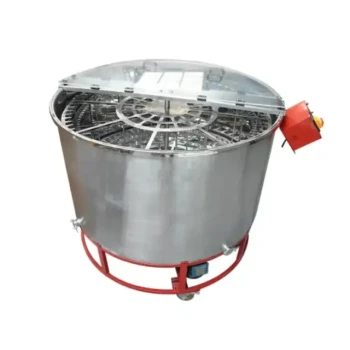
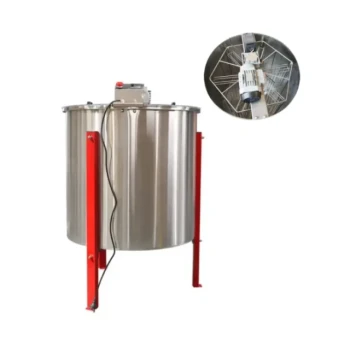
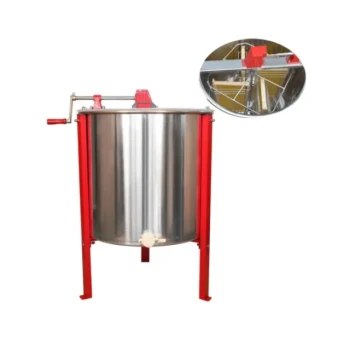
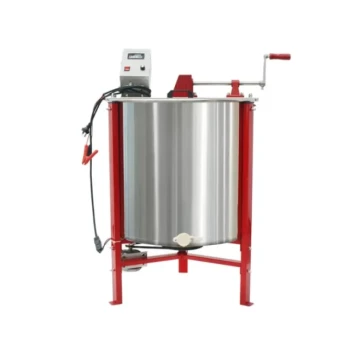
To maximize the volume of extracted honey, manual harvesting methods become obsolete. The focus on this specific output necessitates the use of advanced extraction machinery.
This equipment automates the separation of honey from the comb, significantly increasing processing speed. It allows operations to handle higher volumes without a linear increase in labor costs.
Refining Breeding Techniques
When the goal is strictly defined as extracted output, breeding programs change focus. Beekeepers are incentivized to adopt refined breeding techniques that prioritize specific genetic traits.
Instead of breeding merely for colony survival, producers select for bees that exhibit high nectar-gathering efficiency and rapid storage capabilities. This biological optimization is directly linked to the commercial goal of higher extraction rates.
Optimizing Hive Infrastructure
The drive for higher extracted output changes how hives are physically managed. It requires the strategic use of honey supers—the additional boxes placed above the brood nest.
Managing these supers effectively becomes a logistical priority to ensure bees always have space to store surplus nectar. This turns hive management into a scalable storage strategy rather than just animal husbandry.
Understanding the Trade-offs
The Risk of Quality Compromise
Focusing exclusively on volume can lead to quality control issues if not managed carefully. The rush to extract can result in harvesting honey with high moisture content.
High moisture levels can lead to fermentation, ruining the commercial value of the product. This necessitates the use of precision tools like honey refractometers to verify moisture levels before extraction begins.
Capital Intensity
Moving toward an extraction-centric model increases the financial barrier to entry.
While it increases output, it requires significant upfront capital for extraction lines, storage supers, and standardized equipment. This shifts the business model from labor-intensive to capital-intensive.
Making the Right Choice for Your Goal
To successfully leverage extracted honey as a performance indicator, you must balance volume with infrastructure and quality control.
- If your primary focus is Industrial Scale: Invest heavily in automated extraction machinery and high-yield bee genetics to maximize throughput.
- If your primary focus is Product Stability: Integrate moisture testing protocols using refractometers into your workflow to prevent fermentation in large batches.
- If your primary focus is Hive Management: Prioritize the availability and rotation of honey supers to prevent storage bottlenecks during peak nectar flow.
True industrialization is achieved not just by producing more honey, but by building a repeatable system that guarantees consistent, high-quality extraction year after year.
Summary Table:
| Key Factor | Impact on Industrialization | Necessary Equipment/Action |
|---|---|---|
| Standardization | Creates uniform units of value for global markets | Standardized packaging & storage |
| Technological Drive | Incentivizes the transition from manual to automated | Advanced extraction machinery |
| Biological Optimization | Prioritizes nectar-gathering efficiency via breeding | Refined bee breeding programs |
| Quality Control | Manages moisture levels to prevent fermentation | Honey refractometers |
| Infrastructure | Optimizes space for maximum nectar storage | Strategic use of honey supers |
Scale Your Apiary with HONESTBEE Industrial Solutions
Transitioning from traditional beekeeping to a high-yield industrial operation requires the right infrastructure. HONESTBEE specializes in empowering commercial apiaries and global distributors with the professional-grade tools needed to maximize extracted honey output.
From advanced hive-making and honey-filling machines to a comprehensive range of beekeeping hardware and industry consumables, we provide the end-to-end equipment necessary to turn your operation into a precision manufacturing powerhouse. Whether you are looking to upgrade your extraction line or stock up on essential honey-themed merchandise, we offer the wholesale expertise to help you succeed.
Ready to optimize your production and drive higher commercial yields? Contact us today to explore our full spectrum of beekeeping machinery!
References
- Mustafa Bahadır ÇEVRİMLİ. Assessment of the effects of subsidies to the beekeeping sector in Turkey on the number of hives and amount of honey produced. DOI: 10.33188/vetheder.506916
This article is also based on technical information from HonestBee Knowledge Base .
Related Products
- HONESTBEE 72 Frame Industrial Electric Honey Extractor for Beekeeping
- Commercial Electric 12 Frame Honey Extractor Spinner Motorized Honey Extractor
- HONESTBEE 3-Frame Manual Acrylic Honey Extractor
- electric honey extractor honey centrifuge 3 frame honey extractor stainless steel honey frame extractor
- HONESTBEE 6 Frame Self Reversing Electric Honey Extractor for Beekeeping
People Also Ask
- What is the importance of balancing honeycomb frames within a honey extractor? Ensure Stability and Protect Machinery
- How is honey separated from the frames after they are uncapped? Efficient Extraction Methods for High Yields
- What are the main benefits of using a honey extractor? Maximize Yields and Protect Your Honeycomb
- What are the recommended methods for removing honey from the honeycomb? Top Extraction Techniques for Maximum Efficiency
- How do manual honey extractors compare to electric honey extractors? Choosing the Right Tool for Your Apiary Growth