The primary indicator for extraction is the state of the honeycomb. The appropriate time to extract honey is when the majority of the honey cells have been capped by the bees, signifying ripeness. While this condition can depend on local flows, the primary reference notes that this stage typically occurs in the fall.
The visual cue of wax-sealed cells is the definitive sign of readiness. You should avoid extracting based on the calendar alone; instead, ensure your supers are full and the bees have finished processing the honey by sealing it beneath a protective wax layer.
Recognizing the Signals
The Visual Check
A beekeeper determines the harvest time through direct observation of the hive. The most reliable sign that honey is ready for extraction is when the supers are filled and the bees have capped the cells.
Understanding Capping
Capping occurs when bees seal a cell containing honey with a thin layer of wax. This seal indicates that the honey has been fully processed by the bees and is ripe for harvesting.
Seasonal Context
While observation is key, the biological cycle of the colony often aligns with the seasons. Most commonly, the conditions for a major extraction—full supers and capped frames—align with the fall season.
The Mechanics of Readiness
The Role of Uncapping
Understanding the extraction process highlights why waiting is essential. Before extraction can begin, a beekeeper must perform uncapping, using tools like a heated knife or fork to remove the wax layer.
Why the Seal Matters
This operation is necessary specifically because the bees have sealed the honey. If the frames are not capped, the honey is not considered finished or "ripe," and extracting it prematurely can compromise quality.
Operational Trade-offs
Processing Speed
Once you identify that the honey is ready and harvest the frames, timing becomes critical again. Specifically, if you are using the pressing method, the process should be performed as soon as possible after harvesting.
Method Agnostic Timing
Whether you use a honey extractor (centrifuge), the crush and strain method, or a honey press, the starting criteria remain the same. You must wait for the capped comb, but once harvested, you generally move to extraction, filtration, and warming immediately to ensure purity and flow.
Making the Right Choice for Your Goal
To ensure a successful harvest, align your timing with your specific objectives:
- If your primary focus is honey quality: Wait until the bees have fully capped the cells to ensure the honey is ripe and stable.
- If your primary focus is workflow efficiency: Prepare your extraction equipment (press or extractor) in the fall so you can process immediately once the combs are harvested.
True readiness is dictated by the bees; when the comb is sealed, the harvest begins.
Summary Table:
| Extraction Indicator | Description | Importance |
|---|---|---|
| Cell Capping | Bees seal cells with a thin wax layer | Signifies honey is ripe and moisture content is stable. |
| Super Status | Honey supers are completely filled | Maximizes yield and ensures the hive has surplus. |
| Primary Season | Typically occurs during the Fall | Aligns with the natural biological cycle of the colony. |
| Post-Harvest Timing | Process immediately after removal | Ensures better flow during pressing or centrifugal extraction. |
Elevate Your Beekeeping Operation with HONESTBEE
Are you a commercial apiary or a distributor looking to scale your honey production? HONESTBEE is your dedicated partner in professional beekeeping. We provide a comprehensive range of premium wholesale solutions designed for efficiency and quality:
- Advanced Machinery: From high-capacity honey-filling machines to automated hive-making equipment.
- Professional Tools: A full spectrum of extraction gear, including heated uncapping knives, honey presses, and centrifuges.
- Industry Consumables: Every essential item needed to keep your operation running smoothly.
- Cultural Merchandise: Unique honey-themed products to expand your market reach.
Don't let subpar equipment slow down your harvest. Let our expertise support your business growth with durable, high-performance tools tailored for the professional market.
Ready to upgrade your workflow? Contact us today to discuss your wholesale needs!
Related Products
- High Quality Honey Dehumidifier Dryer Thickening Machine for Beekeeping
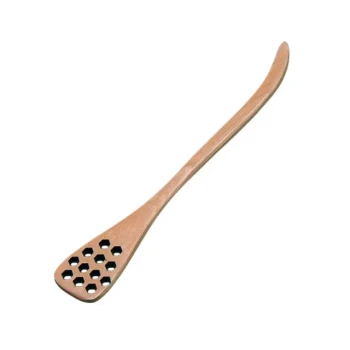
- Modern Honeycomb Pattern Wooden Honey Dipper for Stirring and Drizzling
- Economy Small Scale Honey Dryer Dehumidifier Thickening Machine
- Classic Honey Bear Jars with Flip Top Dispensing Cap for Liquid Sweeteners
- Inverted Squeezable Honey Jar with No Drip Flip Top Cap for Easy Pouring
People Also Ask
- Can you dehumidify honey? A Beekeeper's Guide to Preventing Fermentation
- How to dry up honey? The Safe Guide to Stabilizing Honey and Preventing Fermentation
- How can the moisture content of honey be reduced? A Guide to Safe, Effective Drying Methods
- How to remove humidity from honey? Protect Your Harvest from Fermentation
- How to decrease moisture in honey? Prevent Fermentation and Ensure Long-Term Quality