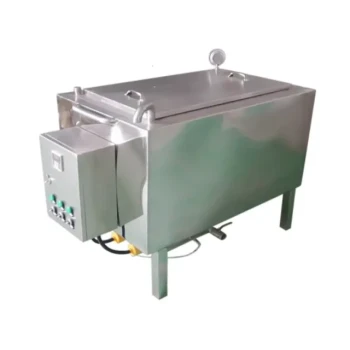
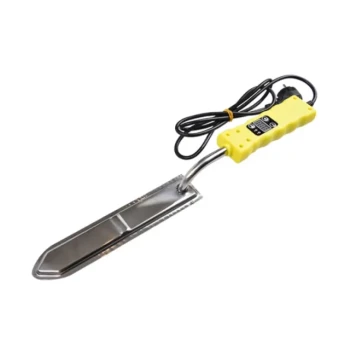
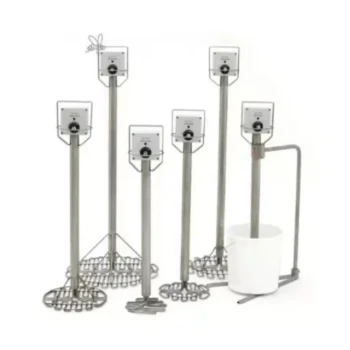
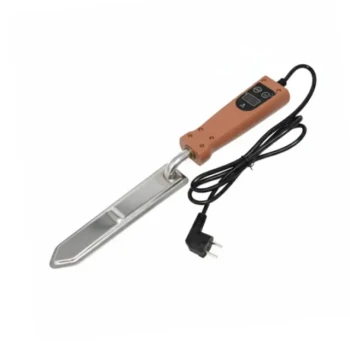
Precise thermal regulation is the cornerstone of effective beeswax purification. Constant temperature heating equipment performs the critical function of stabilizing water temperature specifically between 65 and 70 degrees Celsius. This ensures the beeswax fully liquefies for separation while simultaneously protecting its molecular structure from the damaging effects of overheating.
The equipment acts as a safeguard, balancing the heat required for physical separation against the sensitivity of natural wax, ensuring impurities are removed without compromising the material's inherent chemical and economic value.
The Mechanics of Separation
Facilitating Phase Change
The primary role of the equipment is to transition beeswax from a solid state to a liquid state. By maintaining the temperature within the 65–70°C range, the equipment ensures the wax melts completely, allowing it to detach freely from the honeycomb structure.
Leveraging Specific Gravity
Once liquefied, the separation process relies on physics rather than mechanics. Beeswax has a lower specific gravity than water and most impurities.
The constant temperature water bath keeps the wax liquid long enough for it to float to the surface, forming a pure layer. Simultaneously, heavier contaminants—such as dirt and biological debris—settle into the lower water layer, creating a distinct physical separation.
Preservation of Quality
Preventing Chemical Degradation
Beeswax is an organic compound highly susceptible to thermal damage. If the temperature exceeds the optimal range, the wax can undergo oxidation, leading to discoloration and a breakdown of its chemical composition.
Constant temperature equipment eliminates temperature spikes. This precise control prevents the scorching that often occurs with direct heat sources, preserving the structural integrity of the wax.
Retaining Commercial Value
For high-end applications like cosmetics or medical polishes, the wax must retain its natural characteristics. Controlled heating preserves the original color, aroma, and antibacterial properties of the beeswax.
By avoiding thermal damage, the purification process transforms waste combs into high-purity commercial beeswax, significantly increasing the economic value of the final product.
Common Pitfalls to Avoid
The Trap of Excessive Heat
A common error in manual processing is raising temperatures to speed up melting. While temperatures above 80°C may melt wax faster, they risk permanently darkening the wax and destroying volatile aromatic compounds.
The Limitation of Time
Precise, low-temperature heating is a slower process. It often requires maintaining the liquid state for extended periods (sometimes up to 8 hours) to allow for full sedimentation of impurities. Users must trade speed for quality to achieve a medical or food-grade result.
Making the Right Choice for Your Goal
- If your primary focus is Pharmaceutical or Cosmetic Grade Wax: strictly maintain the temperature between 65°C and 70°C to preserve bioactive properties and prevent oxidation.
- If your primary focus is Industrial Volume: utilize equipment with automated filtration systems to handle mechanical impurities efficiently, but never exceed the thermal safety threshold to avoid product degradation.
True purification is not just about melting; it is about respecting the chemistry of the material.
Summary Table:
| Feature | Optimal Range / Detail | Impact on Quality |
|---|---|---|
| Target Temperature | 65°C – 70°C | Ensures full liquefaction without oxidation |
| Phase Change | Solid to Liquid | Facilitates separation from honeycomb |
| Separation Method | Specific Gravity | Pure wax floats while impurities settle in water |
| Quality Preservation | Thermal Regulation | Protects natural aroma, color, and bio-properties |
| Risk of Overheating | > 80°C | Causes darkening, scorching, and chemical breakdown |
Elevate Your Beeswax Processing with HONESTBEE
Maximize the purity and market value of your wax with professional-grade thermal solutions. HONESTBEE provides commercial apiaries and distributors with the high-precision machinery needed to maintain industrial standards. From advanced constant temperature heating equipment and honey-filling machines to a full spectrum of beekeeping tools and consumables, we empower your business with efficiency and quality.
Ready to upgrade your production line? Contact us today to discuss our wholesale offerings and customized hardware solutions!
References
- A. F. Adeyemi, Isaac Ayodeji Adesina. Solvents Fractionation, Characterization and Evaluation of Antimicrobial Activities of Beeswax from Apismelifera. DOI: 10.51584/ijrias.2021.6404
This article is also based on technical information from HonestBee Knowledge Base .
Related Products
- Steam Beeswax Melter Wax Warmer for Wax Processing
- Automatic Continuous Heat Sealing Machine
- Solar Beeswax Melter Easy Solar Wax Melter for Beeswax
- Electric Commercial Beeswax Melter for Factory Use
- Professional Stainless Steel Honey Filtering Machine with Water Bath Heating for Beekeeping
People Also Ask
- How does a steam wax melter work? A Fast, Efficient Method for High-Quality Wax
- How does a professional steam wax melter optimize the recovery of beeswax? Maximize Yield & Hygiene for Your Apiary
- What are the steps to use a steam wax melter? Master Safe & Efficient Wax Rendering
- How do steam wax melters function in the disinfection of apiary equipment? Achieve Chemical-Free Organic Sterilization
- How do you operate a steam wax melter? Master Efficient Wax Extraction and Frame Sterilization