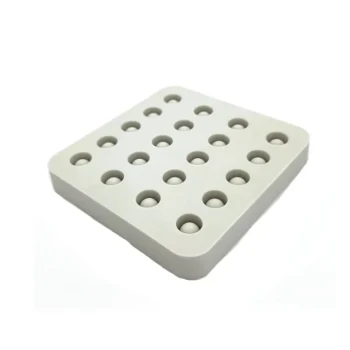
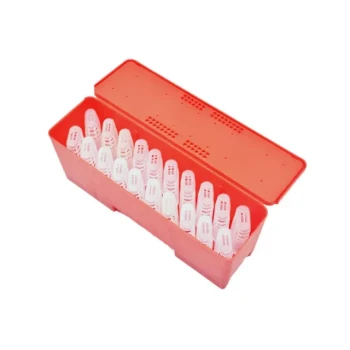
Applying natural beeswax bridges the gap between artificial materials and biological instinct. It acts as a critical interface that mimics the chemical signals and physical texture of a natural hive environment. This coating is necessary to ensure worker bees accept the foreign 3D-printed structure, accelerates their comb-building activities, and explicitly guides the queen bee to lay eggs within the pre-defined hexagonal units.
The core function of the beeswax application is to validate the artificial structure to the colony. Without this biological cue, bees may view the 3D-printed box as a foreign object to be ignored or removed; with it, the device is integrated into the hive’s workflow, unlocking the energy-saving benefits of artificial foundations.
The Mechanics of Hive Acceptance
Simulating Nature
Worker bees rely heavily on olfactory and tactile cues to navigate their environment. 3D-printed materials, usually plastic or resin, lack these essential biological markers. By coating the surface in beeswax, you mask the artificial material and simulate the chemical signature of a natural home.
Overcoming Rejection
The primary hurdle for any artificial hive component is rejection by the colony. The beeswax pre-treatment significantly increases the acceptance rate of the device. It effectively tricks the bees into perceiving the rigid 3D structure as a work-in-progress initiated by the colony itself.
Triggering Biological Behaviors
Accelerating Comb Construction
Once the bees accept the foundation, the wax coating induces faster comb-building activities. Rather than starting from scratch, the bees perceive the coated foundation as a base that requires immediate attention and extension.
Guiding the Queen
The queen bee requires specific conditions to begin oviposition (egg-laying). The beeswax coating does not just attract workers; it provides the correct surface texture to guide the queen to lay eggs within the pre-defined 3D-printed units, ensuring the colony expands in an organized manner.
The Energy Economy of the Hive
Reducing Metabolic Demand
Producing natural beeswax is metabolically expensive for bees. By providing a pre-constructed structural base coated in wax, you allow honeybees to save significant energy and resources they would otherwise consume secreting new wax.
Redirecting Effort to Production
This conservation of energy has a direct impact on productivity. Because the colony faces a reduced metabolic demand for construction, bees can redirect their physiological efforts toward foraging. This shift significantly increases the annual honey yield per beehive.
Understanding the Trade-offs
The Risk of Contamination
While coating artificial frames is beneficial, the quality of the beeswax is paramount. Using wax from unknown sources can introduce pathogens or chemical residues into your sterile 3D-printed environment, negating the hygiene benefits of using new equipment.
Application Consistency
The effectiveness of the "lure" depends on application. An uneven or extremely thin coating may fail to trigger the desired building instinct. Conversely, an over-application can obscure the precise geometry of the 3D-printed cells, potentially confusing the bees or the queen.
Making the Right Choice for Your Goal
To maximize the utility of 3D-printed hive components, consider your specific objectives:
- If your primary focus is rapid colony expansion: Ensure a generous, even coating of beeswax to stimulate immediate acceptance and induce faster comb-building by workers.
- If your primary focus is maximizing honey yield: Utilize the artificial foundation to reduce the metabolic tax on bees, allowing them to focus entirely on nectar and pollen foraging rather than wax secretion.
By applying beeswax, you effectively convert a passive synthetic structure into an active biological asset that aligns with the natural instincts of the superorganism.
Summary Table:
| Feature | Impact of Beeswax Coating | Key Benefit to Colony |
|---|---|---|
| Colony Acceptance | Masks synthetic resins/plastics with natural pheromones | Prevents rejection of artificial structures |
| Comb Construction | Provides a familiar base for worker bees | Accelerates building speed and reduces effort |
| Queen Behavior | Creates the ideal texture for oviposition | Guides the queen to lay eggs in precise cells |
| Energy Economy | Reduces the need for metabolic wax secretion | Redirects worker energy toward foraging and production |
| Hive Yield | Minimizes construction downtime | Increases annual honey and pollen collection |
Elevate Your Beekeeping Efficiency with HONESTBEE
Transitioning to advanced artificial foundations requires the right tools and materials. HONESTBEE supports commercial apiaries and global distributors with a comprehensive wholesale range, including high-precision hive-making machinery and premium equipment.
Whether you are scaling up production with our honey-filling machines or looking for a reliable supply of essential consumables, we provide the expertise to help you maximize your colony's output and energy efficiency.
Ready to optimize your apiary or stock the best in beekeeping technology?
Contact HONESTBEE today for wholesale solutions
References
- Jae Ho Lee, Si Hyeock Lee. Development of a film-assisted honeybee egg collection system (FECS). DOI: 10.1007/s13592-019-00687-8
This article is also based on technical information from HonestBee Knowledge Base .
Related Products
- 3D Square Honeycomb Pillar Silicone Candle Molds for Making Beeswax Candles
- Twin Queen Styrofoam Honey Bee Nucs Mating and Breeding Box
- Assembled Wooden Bee Frames with Beeswax Foundation Ready to Use by HONESTBEE
- Langstroth Honey Bee Box Hive Boxes for Different Depths
- Automatic Heat Preservation 6 Frame Pro Nuc Box for Honey Bee Queen Mating
People Also Ask
- Is spray release necessary when using silicone molds for candle making? Master the Art of Flawless Demolding
- Why are silicone molds preferred over tin or plastic molds for beeswax candles? Boost Efficiency & Quality
- What is the first tip for pouring beeswax into a silicone mold? Ensure a Perfect Release
- Which specific shapes and designs are commonly available for beeswax candle molds? Choose the Best Molds for Production
- How do you secure a silicone mold for candle making? Prevent Leaks and Achieve Perfect Candles