An active frame is the precise unit of measurement used to assess the quality and value of a commercial beehive rental. Technically, it is defined as a removable wooden frame insert within a hive that maintains a bee density of at least four bees per square inch of honeycomb. This metric allows the agricultural industry to standardize and quantify the "workforce" provided by a colony, rather than simply counting the number of boxes delivered.
In the commercial pollination trade, the "active frame" distinguishes a productive colony from a weak one. It ensures growers pay for actual biological service intensity, with the California almond industry standard set at eight active frames per beehive to guarantee the population density required for high-efficiency pollination.
The Mechanics of Measurement
Defining Density
To qualify as "active," a frame cannot simply be present inside the hive box. It must meet a strict visual threshold of biological activity.
The technical requirement is a density of at least four bees per square inch covering the honeycomb. This ensures that the frame is fully populated and contributing to the colony's overall strength.
The Physical Unit
The measurement applies to the standard removable wooden frame inserts used in modern apiculture.
Because these frames are removable, inspectors and beekeepers can physically examine the hive internals to verify that the population meets the agreed-upon density standards.
The Industry Standard for Almonds
Quantifying Service Intensity
In pollination contracts, the physical hive box is merely a container; the value lies in the bees' ability to cover the crop.
The count of active frames serves as the definitive quantitative measure of the service's intensity. It translates a biological variable into a contractual metric.
The 8-Frame Benchmark
The California almond industry relies on a specific standard to ensure crop success.
To achieve high-efficiency pollination, the typical requirement is eight active frames per beehive. This specific threshold indicates a honeybee population robust enough to thoroughly forage and pollinate an orchard during the critical bloom window.
Understanding the Trade-offs
Hive Count vs. Active Frame Count
A common pitfall in pollination management is confusing the number of hives with the strength of the hives.
A grower renting 100 hives with only four active frames each is receiving significantly less pollination value than a grower renting 100 hives meeting the eight-frame standard.
The Cost of Low Density
Falling below the active frame threshold results in "low-efficiency" pollination.
If the density drops below the four bees per square inch or the total frame count dips below eight, the colony may focus on internal survival rather than external foraging, failing to provide the service the grower paid for.
Making the Right Choice for Your Goals
When navigating pollination contracts, the active frame count provides an objective baseline for quality assurance.
- If your primary focus is securing yield: Mandate a minimum average of eight active frames per hive in your contracts to ensure the population is sufficient for almonds.
- If your primary focus is auditing quality: distinctively look for the four bees per square inch density on the honeycomb; frames below this density should not count toward the total.
- If your primary focus is service valuation: Use the active frame count as the primary metric for pricing, rather than a flat rate per box.
By strictly adhering to the active frame definition, you ensure that the biological workforce matches the agricultural demand.
Summary Table:
| Metric | Industry Standard | Technical Definition |
|---|---|---|
| Bees per Square Inch | 4+ bees | Minimum density required to classify a frame as 'active'. |
| Frames per Hive | 8 active frames | The benchmark for high-efficiency almond pollination services. |
| Primary Unit | Removable Frame | The physical unit used to quantify biological service intensity. |
| Quality Focus | Population Density | Measures actual workforce rather than just the number of boxes. |
Maximize Your Orchard's Potential with HONESTBEE
Don't settle for empty boxes—ensure your commercial apiary or distribution network is backed by the highest standards in apiculture. HONESTBEE specializes in supporting the professional beekeeping industry with a comprehensive wholesale portfolio, including:
- Precision Machinery: Advanced hive-making and honey-filling machines to scale your operations.
- Professional Hardware: Durable, industry-standard beekeeping tools and equipment built for efficiency.
- Essential Consumables: A full spectrum of supplies to maintain hive health and productivity.
Whether you are a commercial apiary providing pollination services or a distributor seeking premium equipment, HONESTBEE delivers the value and reliability you need to succeed.
Ready to upgrade your equipment and service quality? Contact us today to explore our wholesale solutions!
References
- Brittney K. Goodrich. Do more bees imply higher fees? Honey bee colony strength as a determinant of almond pollination fees. DOI: 10.1016/j.foodpol.2018.12.008
This article is also based on technical information from HonestBee Knowledge Base .
Related Products
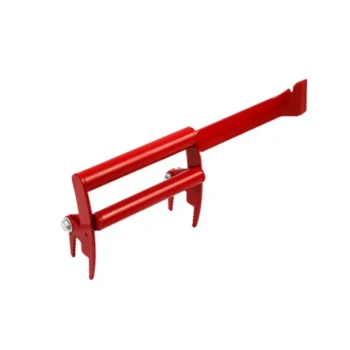
- Heavy-Duty Lever-Action Frame Grip with Hive Tool
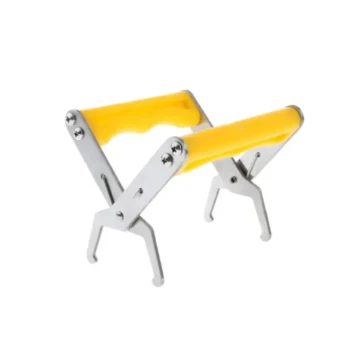
- Ergonomic High Visibility Plastic Frame Grip Handles
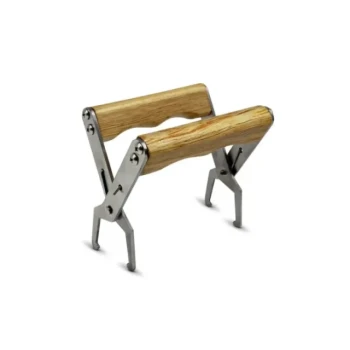
- Premium Frame Grip with Ergonomic Wood Handles
- Ergonomic Plastic Frame Spacer Tool for Rapid Hive Management Beekeeping
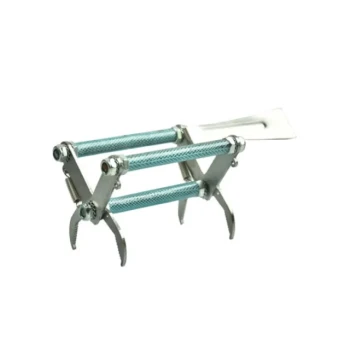
- Professional 3-Bar Frame Grip with Integrated Hive Tool
People Also Ask
- What is the purpose of using frame grips in beekeeping operations? Elevate Your Apiary Precision & Hive Safety
- What is a frame grip and how is it used? Secure Your Hive Inspections with Ease
- How does the frame lifter hive tool function? Master Safe and Gentle Frame Removal
- What is the specific design and purpose of a frame lifter hive tool? Master Gentle Hive Inspections
- How should Frame Grips be maintained after use? A Guide to Biosecurity and Tool Longevity