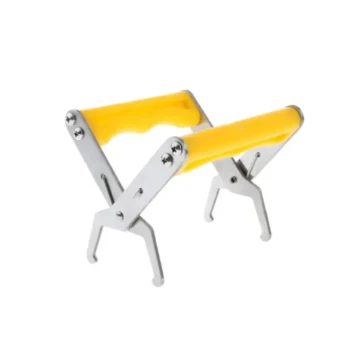
Specialized single-frame mini-hives are precision instruments designed to create a compact, highly controlled operational space for behavioral experiments. By confining a fixed population of bees—typically around 2,000—within a controlled incubator environment, these hives force interaction with specific hive elements. This design is specifically engineered to optimize the contact frequency between the workers and a target infested comb, making it the superior choice for short-cycle, high-frequency hygiene tests.
The core purpose of the single-frame mini-hive is to eliminate the variables of space and population fluctuation. By miniaturizing the colony, researchers maximize the probability that bees will interact with the test subject, ensuring data reflects actual behavioral traits rather than random chance.
Engineering the Ideal Test Platform
The design of the single-frame mini-hive addresses the "Deep Need" of experimental consistency. In standard apiary settings, variables such as weather, colony size, and resource availability can obscure the specific behaviors researchers are trying to measure.
Optimizing Contact Frequency
The primary advantage of this design is the reduction of "dead space."
in a standard hive, bees may ignore a specific section of comb. In a single-frame setup, the compact operational space ensures the bees are constantly in proximity to the target infested comb.
This physical constraint guarantees that the hygiene behavior observed is a result of the bees' response to the stimulus, rather than their location in the hive.
Controlling Population Variables
Standardizing the workforce is critical for comparative data.
These hives are designed to hold a fixed population, such as 2,000 experimental bees. This allows researchers to calculate specific ratios of work per bee.
It prevents results from being skewed by the massive population swings common in full-sized colonies.
Leveraging Incubator Environments
Unlike field hives, these mini-hives are intended for use within controlled incubators.
This isolates the colony from external environmental factors like temperature fluctuations, wind, or rain.
It ensures that the metabolic activity and cleaning behavior recorded are not reactions to weather stress, but direct responses to the experimental variables.
Understanding the Trade-offs
While single-frame mini-hives are excellent for specific behavioral assays, they are artificial environments that come with inherent limitations.
Short-Cycle Limitations
These hives are designed for short-cycle tests.
They lack the resources and space to support a colony long-term. They are testing platforms, not sustainable habitats.
Artificial Density
The high density required to force contact can induce stress.
While this is necessary for studying hygiene behavior efficiently, it may not perfectly mirror the more relaxed interactions found in a natural, lower-density hive.
Making the Right Choice for Your Research
Selecting the correct hive architecture depends entirely on the specific variable you intend to isolate.
- If your primary focus is rapid hygiene behavior analysis: Use specialized single-frame mini-hives to maximize contact frequency and eliminate environmental variables.
- If your primary focus is colony productivity or pesticide impact: Use standardized single brood chamber hives to evaluate productivity and profitability in a more natural setting.
- If your primary focus is queen rearing or pathogen transmission: Use Styrofoam mini-hives to provide the thermal insulation and microclimate necessary for vulnerable developmental stages.
Precision in experimental design begins with selecting the equipment that best isolates your target variable.
Summary Table:
| Feature | Design Specification | Experimental Benefit |
|---|---|---|
| Population Size | Fixed (approx. 2,000 bees) | Standardizes data and prevents population skew |
| Spatial Design | Single-frame, compact space | Maximizes contact with target infested combs |
| Environment | Controlled incubator setting | Eliminates weather variables and external stress |
| Cycle Duration | Short-cycle testing | Enables rapid, high-frequency hygiene assays |
| Focus Area | Behavioral isolation | Ensures data reflects actual traits, not random chance |
Elevate Your Apiary Operations with HONESTBEE
Precision matters whether you are conducting rigorous laboratory research or managing a large-scale commercial apiary. HONESTBEE provides the industry-leading tools you need to succeed. We cater to commercial apiaries and distributors with a comprehensive wholesale portfolio, including:
- High-Precision Machinery: Advanced hive-making and honey-filling machines.
- Specialized Equipment: From innovative hive designs to essential beekeeping tools.
- Industrial Consumables: A wide array of supplies to keep your operation running smoothly.
- Cultural Merchandise: Unique honey-themed products to expand your market reach.
Partner with HONESTBEE to access high-quality equipment designed for durability and performance. Contact us today to explore our wholesale offerings and scale your business!
References
- Jeffrey W. Harris. Effect of Brood Type on Varroa-Sensitive Hygiene by Worker Honey Bees (Hymenoptera: Apidae). DOI: 10.1603/0013-8746-101.6.1137
This article is also based on technical information from HonestBee Knowledge Base .
Related Products
- Automatic Heat Preservation 6 Frame Pro Nuc Box for Honey Bee Queen Mating
- Portable Bee Mating Hive Boxes Mini Mating Nucs 8 Frames for Queen Rearing
- 4 Frame Plastic Nuc Boxes for Beekeeping Bee Nuc Box
- Styrofoam Mini Mating Nuc Box with Frames Feeder Styrofoam Bee Hives 3 Frame Nuc Box
- In-Hive Dual Compartment Frame Bee Feeder for Targeted Colony Nutrition
People Also Ask
- What are the options for adding frames to a nuc after taking two frames from the parent colony?
- How are nuc boxes used in queen rearing? The Essential Tool for Reliable Queen Mating
- What steps are involved in transferring frames from the nuc box to the hive? A Guide for a Smooth, Low-Stress Colony Move
- What is the process for managing a new bee colony started in a nuc box? Expert Tips for Hive Success
- How long can bees be kept in a nuc box? Expert Timeline for Hive Transfer