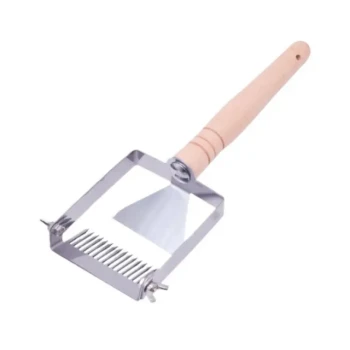
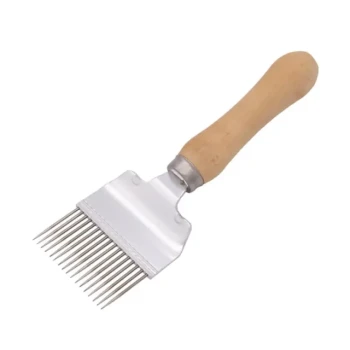
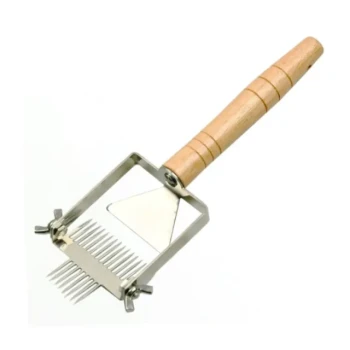
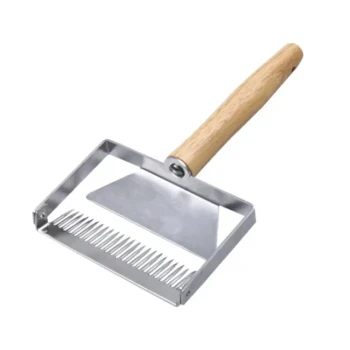
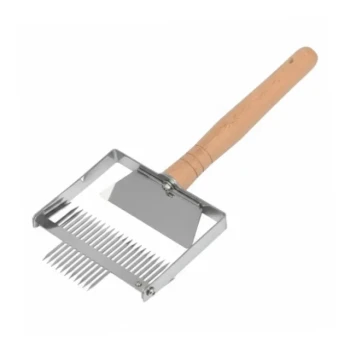
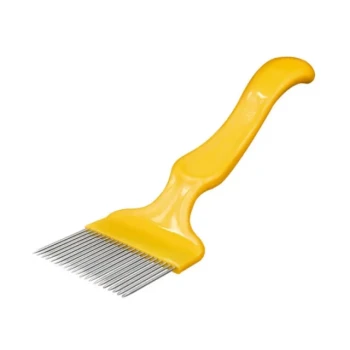
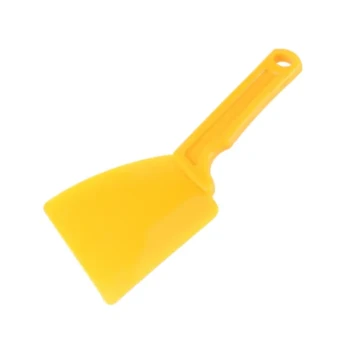
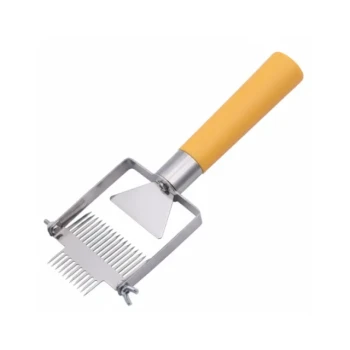
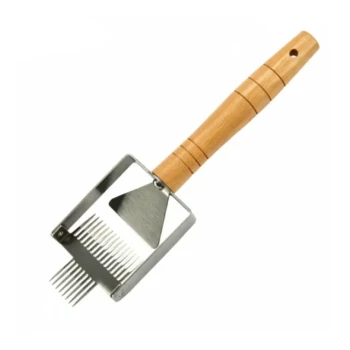
The immediate first step in the honey extracting process, once frames are removed from the supers, is the removal of the beeswax seal. You must physically strip away the thin layer of wax, known as the capping, which encloses the honey within the honeycomb cells.
To extract honey, you must first breach the protective seal bees create. Removing the beeswax capping is the mandatory prerequisite that exposes the honey and prepares the frame for processing.
The Mechanics of Uncapping
Identifying the Barrier
Honey is stored in individual cells within the frame. Bees seal these cells with a specific, thin layer of beeswax to preserve the contents.
This protective layer is technically referred to as the capping.
Exposing the Product
Before any mechanical extraction or spinning can occur, this barrier must be eliminated.
The extraction process relies on the honey being able to flow freely from the comb. Therefore, the capping must be removed to open the cells.
Operational Considerations
The Importance of Thoroughness
The efficiency of your extraction depends entirely on this first step.
If the capping is not completely removed, the honey remains sealed in the cell.
Any honey left behind a chaotic or incomplete unsealing process will likely remain trapped during the extraction phase, reducing your overall yield.
Making the Right Choice for Your Goal
To ensure a successful extraction, focus on the integrity of this initial step.
- If your primary focus is maximum yield: Ensure that the capping is removed from every single cell to prevent honey from being trapped during spinning.
- If your primary focus is process efficiency: Prioritize a consistent removal method that clears the wax layer without damaging the underlying cell structure.
The success of the entire extraction workflow hinges on effectively removing this thin wax seal.
Summary Table:
| Step Phase | Action | Purpose | Key Equipment |
|---|---|---|---|
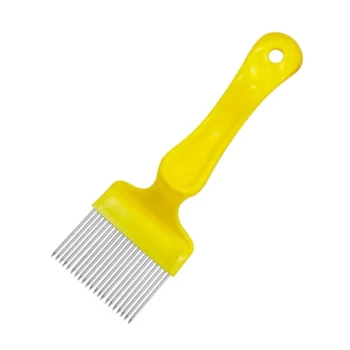
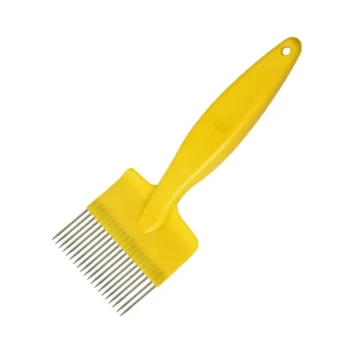
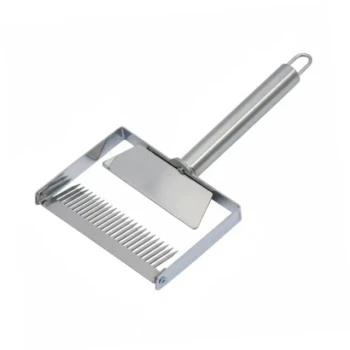
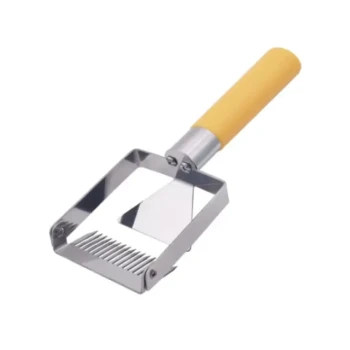
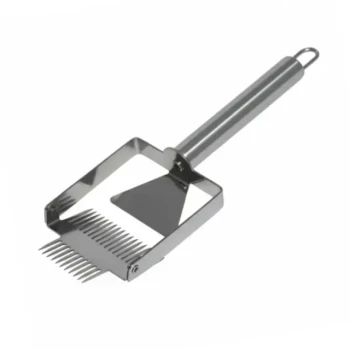
| Phase 1 | Uncapping | Remove wax seals to expose honey | Uncapping knives, forks, or planes |
| Phase 2 | Loading | Place frames into the extractor | Honey Extractor |
| Phase 3 | Extraction | Spin frames to pull honey via centrifugal force | Manual or Electric Extractor |
| Phase 4 | Filtration | Remove wax bits and impurities | Sieve, Micron Filters |
Maximize Your Harvest with HONESTBEE Professional Equipment
Transitioning from manual uncapping to industrial efficiency? HONESTBEE specializes in empowering commercial apiaries and distributors with high-performance beekeeping machinery.
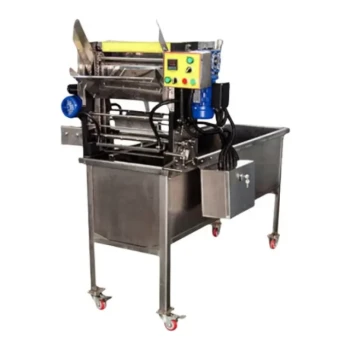
Whether you need precision uncapping machines, high-capacity honey extractors, or automated honey-filling systems, our comprehensive wholesale catalog is designed to optimize your production yield. From hardware to essential consumables, we provide the tools that turn your hard work into liquid gold.
Ready to scale your honey production? Contact our expert team today to discover how HONESTBEE can streamline your operations.
Related Products
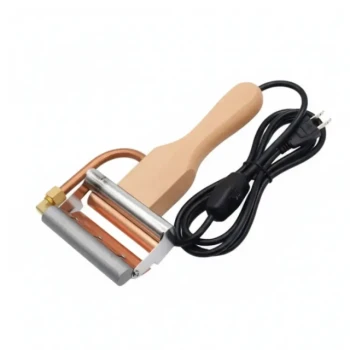
- Professional Honey Uncapping Roller for Efficient Harvesting
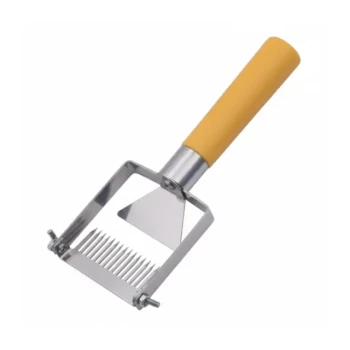
- Wide Adjustable Stainless Steel Honey Uncapping Fork with Scraper
- Adjustable Stainless Steel Honey Uncapping Fork with Scraper for Beekeeping
- Professional Classic Wood Handle Honey Uncapping Fork
- Adjustable Stainless Steel Honey Uncapping Fork with Scraper Beekeeping Tool
People Also Ask
- What other tools are available for honey uncapping besides knives? Find the Right Tool for Your Apiary's Scale
- What are the methods of uncapping honey? A Guide to Tools for Efficient Harvests
- What tools are available for uncapping honey? A Guide to Choosing the Right Tool for Your Operation
- What tools can be used to uncap honey cells? Expert Guide to Efficient Honey Extraction Equipment
- What are the essential tools for uncapping honey frames? Choose the Right Tool for Your Apiary