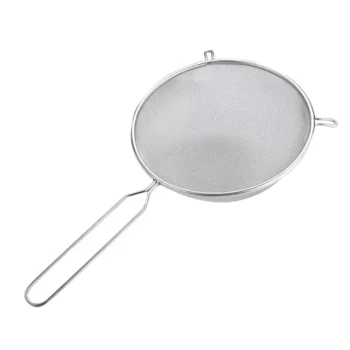
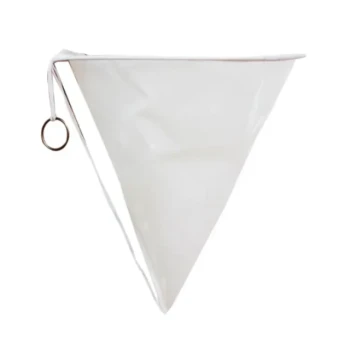
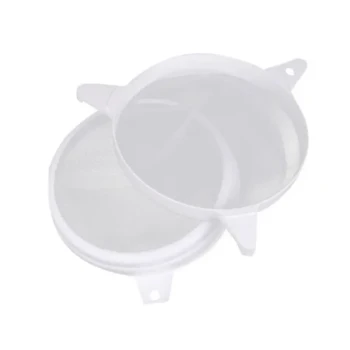
The 5-micron precision filter serves as the critical mechanical gateway for pollen extraction and enrichment. It utilizes a specific pore size to isolate pollen grains from liquid honey samples, ensuring that smaller impurities are removed while the valuable pollen remains captured for analysis. This process is essential for distributors and wholesalers who require precise floral source verification and quality assurance.
The 5-micron filter acts as a high-precision sieve that physically enriches pollen grains by separating them from the honey matrix. This mechanical separation is vital for maintaining sample homogeneity and protecting sensitive laboratory equipment from clogging and debris.
The Role of Mechanical Separation in Pollen Enrichment
Physical Capture and Retention
The primary function of the filter is to act as a mechanical separation medium. Its 5-micron pore size is specifically engineered to allow liquids and extremely small particles to pass through while efficiently capturing and retaining individual pollen grains.
Concentration of the Sample
By isolating the grains from the bulk honey, the filter facilitates the physical enrichment of the pollen. This concentrated sample is necessary for accurate microscopic identification and quantification of the honey's botanical origin.
Improvement of Sample Homogeneity
Using high-performance filters removes coarse particles such as wax debris and pollen clumps before analysis. This step ensures that the resulting sample is uniform, which is critical for the accuracy of optical measurements like color and refractive index.
Protecting Analytical Infrastructure
Safeguarding Precision Instruments
In a professional laboratory setting, these filters are a first line of defense for sensitive injection systems. They prevent particulates from entering and damaging the nebulizers of precision instruments like ICP-OES (Inductively Coupled Plasma Optical Emission Spectroscopy).
Ensuring Measurement Accuracy
By removing unwanted debris that could scatter light or interfere with spectral analysis, the filter ensures the reliability of physicochemical data. For wholesalers, this technical accuracy translates to verifiable product quality and consumer trust.
Reducing Maintenance Downtime
Efficient filtration prevents the accumulation of sediment in testing equipment. For high-volume distributors, this translates to faster turnaround times for batch testing and more efficient order fulfillment.
Understanding the Trade-offs and Limitations
Risk of Filter Clogging
While the 5-micron pore size is ideal for capturing pollen, it is susceptible to rapid clogging if the honey contains high levels of wax or large debris. Pre-filtering with a coarser mesh is often necessary to maintain flow rates and prevent pressure build-up.
Potential for Sample Bias
If the filtration process is not handled with professional expertise, there is a risk of losing specific pollen types that may be smaller than 5 microns. Relying on industry-standard equipment and validated protocols is essential to ensure the extracted sample accurately represents the original honey.
Maintenance and Replacement Costs
Precision filters are consumable items that require regular replacement to ensure consistent results. Distributors must factor these operational costs into their quality control budgets to maintain high-tier analytical standards.
How to Leverage Filtration for Your Supply Chain
Professional sourcing requires a balance of speed and technical precision. Implementing high-grade filtration protocols ensures that your inventory meets the rigorous standards required by the global market.
- If your primary focus is floral source verification: Utilize 5-micron filtration to ensure high-density pollen samples for accurate microscopic analysis.
- If your primary focus is equipment longevity: Ensure all samples are pre-filtered to protect expensive laboratory instruments from costly downtime and repairs.
- If your primary focus is rapid order fulfillment: Partner with a supplier that offers a comprehensive portfolio of pre-verified, filtered products to streamline your distribution timeline.
High-precision filtration is the cornerstone of technical excellence and reliable quality assurance in the professional honey trade.
Summary Table:
| Key Function | Primary Benefit | Impact on Supply Chain |
|---|---|---|
| Mechanical Separation | Isolates & enriches pollen grains | Accurate floral source verification |
| Impurity Removal | Eliminates wax debris & clumps | Ensures sample homogeneity and clarity |
| Instrument Protection | Safeguards sensitive lab equipment | Reduces maintenance & testing downtime |
| Sample Concentration | Enhances microscopic visibility | Reliable data for B2B quality standards |
Elevate Your Honey Quality Control with HONESTBEE
Are you looking to streamline your supply chain with professional-grade beekeeping and processing equipment? HONESTBEE specializes in catering to commercial apiaries, wholesalers, and B2B distributors with a comprehensive one-stop sourcing solution.
Our full-spectrum portfolio ranges from high-precision laboratory consumables to specialized hardware like hive-making and honey-filling machines. By partnering with us, you gain access to:
- Deep Professional Expertise: Expert guidance on tool selection for floral verification and quality assurance.
- Rapid Fulfillment: Ultra-fast delivery and efficient order processing to keep your business moving.
- Premium Trading Services: Exceptional customer service and rapid response times tailored to distributor needs.
- One-Stop Sourcing: Everything from industrial machinery to honey-themed cultural merchandise.
Maximize your profit margins and ensure supply reliability with a partner who understands the industry. Contact HONESTBEE today to discuss your wholesale needs!
References
- Beverley Adams‐Groom, Ana Luisa Sierra Bañón. Pollen Characterization of English Honey from Worcestershire, West Midlands (UK). DOI: 10.1080/0005772x.2019.1698105
This article is also based on technical information from HonestBee Knowledge Base .
Related Products
- Professional Stainless Steel Honey Filter with Support Handle
- Professional Honey Filter with Tripod Support Stand
- Professional Cone-Shaped Honey Filter with Reinforced Steel Ring
- Conical Nylon Honey Strainer Filter Bag for Beekeeping and Honey Filtration
- Electric Double Wall Honey Filtering Machine Purifier Equipment for Honey Processing Plant
People Also Ask
- Why are stainless steel filters essential during the initial purification phase of honey processing? Ensure Purity
- What are the benefits of using a high-quality honey filter? Elevate Purity and Preserve Natural Flavor
- What is the primary purpose of honey filters? Achieve Professional Clarity & Pure Honey Quality
- What micron filter should I use for honey? Choose the Right Filter for Sales or Competitions
- Why do people filter honey? For Clarity, Stability, and Consumer Appeal