The primary function of a constant temperature incubator is to act as a surrogate colony, maintaining a precise thermal environment of 34°C to simulate natural hive conditions for newly emerged honeybees. This stabilization ensures that the bees' physiological state remains consistent, preventing ambient temperature fluctuations from interfering with sensitive measurements such as gustatory receptor gene expression.
Core Takeaway In physiological research, the incubator acts as a control mechanism that isolates the subject from laboratory weather. It guarantees that any observed biological changes are the result of the experimental variables (such as nutrition or pathogens), rather than the bees simply reacting to thermal stress.
Simulating the Internal Hive Environment
To obtain valid data from honeybees, you must first replicate the environment in which their biology evolved to function.
The 34°C Standard
The incubator provides a stable internal temperature, typically set to 34°C.
This specific temperature point mimics the natural warmth generated by a healthy honeybee colony.
Stabilizing Newly Emerged Bees
Newly emerged bees are particularly sensitive to their environment.
Placing them immediately into this simulated environment stabilizes their metabolism and physiology.
This prevents the "shock" of laboratory ambient temperatures, which are often significantly cooler than the hive.
Ensuring Data Integrity
The "Deep Need" for using an incubator is not just about keeping bees alive; it is about ensuring the validity of your data.
Eliminating Thermal Interference
Honeybee gene expression, particularly gustatory receptor genes, is highly responsive to temperature changes.
Without an incubator, a fluctuation in room temperature could alter gene expression.
This would create "noise" in your data, making it impossible to distinguish between a reaction to your experiment and a reaction to the cold.
Isolating Cause and Effect
In pharmacological or nutritional studies, you need to know that mortality or immune responses are caused strictly by the test compound.
If the temperature fluctuates, survival differences could be attributed to environmental stress rather than the treatment.
The incubator removes this variable, ensuring mortality statistics are derived solely from the experimental factors.
Understanding the Trade-offs and Control Limits
While temperature is the primary factor, precision control involves nuances that affect the quality of the simulation.
Temperature vs. Humidity
While the primary focus is often temperature, a comprehensive simulation also requires humidity control.
Industrial-grade incubators often pair the 34°C setting with 50-70% relative humidity.
Ignoring humidity can lead to desiccation, which introduces a different type of environmental stress that temperature control alone cannot fix.
The Risks of "Close Enough"
Relying on ambient room controls or low-precision heating elements is a common pitfall.
Even minor deviations from the 33-34°C range can induce immune fluctuations.
This underscores the need for PID control systems (found in industrial-grade units) to maintain the exact set point without dangerous distinct spikes or drops.
Making the Right Choice for Your Goal
The specific settings of your incubator should be dictated by the specific physiological metric you are measuring.
- If your primary focus is Gene Expression: Prioritize an incubator with high thermal stability at 34°C to prevent temperature-induced variances in receptor activity.
- If your primary focus is Survival/Toxicology: Ensure the unit also manages humidity (50-70%) to eliminate dehydration as a cause of death, ensuring mortality is attributed only to the test compounds.
By strictly controlling the thermal environment, you transform your honeybees from variable biological subjects into reliable data points.
Summary Table:
| Feature | Optimal Setting | Function in Research |
|---|---|---|
| Temperature | 34°C | Mimics natural hive warmth; stabilizes metabolism and gene expression. |
| Humidity | 50% - 70% RH | Prevents desiccation and environmental stress during long-term trials. |
| Control Type | PID Control | Eliminates thermal spikes to ensure data integrity and reduce 'noise'. |
| Research Goal | Physiology/Toxicology | Isolates experimental variables from ambient laboratory fluctuations. |
Elevate Your Research with HONESTBEE Precision Equipment
At HONESTBEE, we understand that for commercial apiaries and research distributors, precision is non-negotiable. Whether you are conducting sensitive physiological experiments or scaling a commercial queen-rearing operation, our high-performance honey-filling machines, hive-making machinery, and specialized beekeeping tools provide the stability you need.
Why partner with HONESTBEE?
- Comprehensive Wholesale Range: From industrial-grade machinery to essential consumables.
- Tailored Solutions: We cater specifically to the needs of large-scale distributors and professional apiaries.
- Expert Support: Our portfolio includes everything from specialized hardware to honey-themed cultural merchandise to help your business grow.
Ensure your data and your bees are protected by the industry's best equipment. Contact HONESTBEE today to discuss your wholesale requirements!
References
- Nicola K. Simcock, Geraldine A. Wright. Effects of age and nutritional state on the expression of gustatory receptors in the honeybee (Apis mellifera). DOI: 10.1371/journal.pone.0175158
This article is also based on technical information from HonestBee Knowledge Base .
Related Products
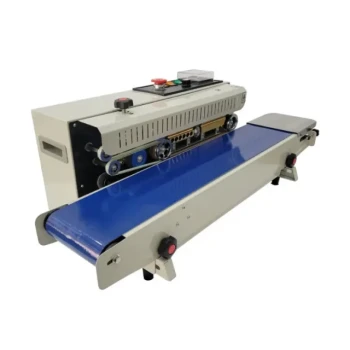
- Automatic Continuous Heat Sealing Machine
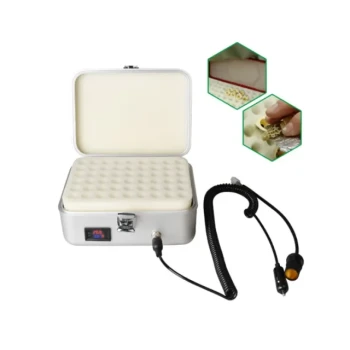
- Portable Queen Bee Incubator with 12V Car Adapter for Safe Transport
People Also Ask
- How is a heat sealer used in the production of honey sticks? Master the Art of Leak-Proof Sealing
- What is a sealing machine called? Choose the Right Heat Sealer for Your Packaging
- How do I choose a heat sealer? A Guide to Matching the Right Machine to Your Needs
- What is the function of sealing machines? Ensure Product Integrity and Extend Shelf Life
- What is a sealing machine? Protect Your Product Quality and Brand Reputation