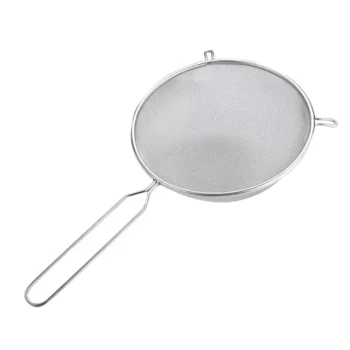
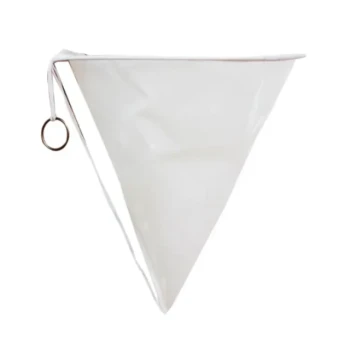
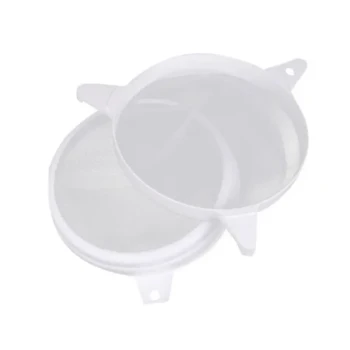
The primary function of a honey filter machine is to purify raw honey by mechanically removing physical impurities and foreign materials such as beeswax, pollen clusters, and organic debris. While the core mechanism involves physical screening, advanced processing units often integrate preheating, mixing, and low-temperature vacuum concentration to simultaneously eliminate excess water and thicken the product for commercial standards.
Core Takeaway: A honey filter machine does more than just clean; it standardizes the product. by balancing purification with moisture control, these systems transform raw extraction into a shelf-stable, commercially viable commodity that meets strict food safety regulations without compromising the honey's essential sensory qualities.
The Mechanics of Purification
Removal of Physical Contaminants
The most immediate function of the machine is the physical separation of solids from liquids. Raw honey often contains beeswax fragments, bee remains, larval debris, and other particulate matter collected during extraction.
Through the use of fine mesh screens or mechanical filters, the machine intercepts these pollutants. This ensures the final output is hygienic and safe for consumption.
Enhancing Visual Clarity
Consumer expectations for high-end honey often demand a clear, transparent product. Filtration eliminates micro-impurities that cause cloudiness.
By polishing the honey's appearance, the equipment improves its color and transparency. This visual refinement is often directly improved by the removal of suspended wax particles.
Advanced Processing Capabilities
Integrated Moisture Control
According to advanced processing standards, filtration is rarely a standalone step. Many machines combine filtering with low-temperature vacuum concentration.
This feature is critical for preventing fermentation. By removing excess water content, the machine acts as a thickener, increasing the honey's density and significantly extending its shelf life.
Preheating and Homogenization
To filter honey effectively, it must flow freely. These machines often include a preheating function to reduce viscosity, allowing the honey to pass through fine filters without high pressure that could damage the equipment.
Mixing capabilities ensure the batch is consistent in texture and temperature. This prevents "hot spots" during heating and ensures that the final bottled product has a uniform consistency.
Understanding the Trade-offs
Filtration vs. Nutritional Integrity
While filtration improves clarity, there is a delicate balance to maintain regarding the honey's natural profile.
Over-filtration can strip honey of beneficial pollen, which some markets require for a product to be considered "raw" or authentic. High-quality machines are designed to clarify the liquid without compromising natural nutritional components.
Temperature Management
Heat is necessary for filtration, but it is also honey's enemy. Excessive heat destroys natural enzymes and degrades quality.
Superior filtration machines utilize low-temperature processing (often under vacuum) to protect the biological activity of the honey. Operators must ensure the machine's thermal settings are calibrated to preserve the product's premium status.
Making the Right Choice for Your Goal
When selecting or operating honey filtration equipment, your objectives dictate the process intensity.
- If your primary focus is large-scale commercial retail: Prioritize machines with vacuum concentration and fine mesh filtration to ensure a crystal-clear, shelf-stable product that will not ferment on store shelves.
- If your primary focus is artisanal or "raw" honey: Select equipment that allows for coarse filtration at low temperatures, removing only large debris like wax while retaining natural pollen and enzymes.
- If your primary focus is processing speed: Look for integrated units that combine preheating, filtering, and thickening in a single pass to reduce labor costs and handling time.
Effective filtration is the bridge between raw extraction and a professional, market-ready product.
Summary Table:
| Feature | Primary Function | Commercial Benefit |
|---|---|---|
| Physical Filtration | Removes beeswax, debris, and pollen clusters | Ensures food safety and hygienic compliance |
| Vacuum Concentration | Low-temperature water removal | Prevents fermentation and thickens texture |
| Preheating System | Reduces honey viscosity for smoother flow | Improves processing speed and efficiency |
| Visual Polishing | Eliminates micro-impurities | Enhances clarity, color, and market appeal |
| Homogenization | Ensures uniform temperature and texture | Guarantees consistent product quality per batch |
Transform your raw harvest into a premium, shelf-ready product with HONESTBEE. As a dedicated partner to commercial apiaries and global distributors, we provide the complete range of beekeeping tools, specialized machinery, and honey-filling equipment needed to scale your operations. From advanced filtration units to essential consumables and honey-themed cultural merchandise, HONESTBEE delivers the quality and efficiency your business demands. Contact our experts today to optimize your honey production line!
Related Products
- Electric Double Wall Honey Filtering Machine Purifier Equipment for Honey Processing Plant
- Professional Stainless Steel Honey Filtering Machine with Water Bath Heating for Beekeeping
- Honey Concentrating and Filtering Dehumidifier Machine 2T Capacity for Honey
- Automatic Honey Filling and Filtering Machine for Beekeeping Bottle Filling
- 0.5T Capacity Honey Dehumidifier Dryer with Vacuum Heating and Thickening Filtering Machine
People Also Ask
- What types of equipment are used in honey filtering? Build an Efficient System for Pure, Marketable Honey
- What is the process of filtering honey? A Guide to Clean, Pure, and Market-Ready Honey
- What is the overall importance of using the right equipment in honey filtering? Boost Quality & Marketability
- What are the benefits of drying honey filtering equipment after use? Protect Your Honey Quality & Equipment Investment
- Why is filtering important in honey processing, and what equipment is used? A Guide to Quality & Efficiency