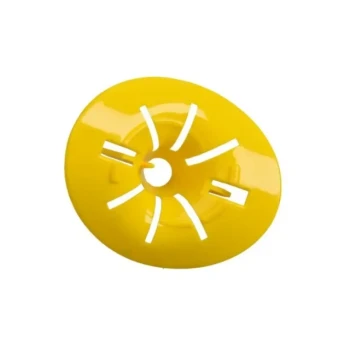
A Pollen Trap is a mechanical sampling device installed at the entrance of a beehive to intercept foraging bees returning from the field. Its primary function is to force bees through a specialized grid that gently dislodges pollen pellets from their hind legs, depositing the samples into a collection tray for analysis.
The Pollen Trap transforms a beehive into an active environmental monitoring station. It allows researchers to quantitatively assess local plant biodiversity and foraging intensity by obtaining raw biological samples without requiring invasive hive inspections or lethal sampling methods.
The Mechanics of Collection
The Interception Grid
The core component of the trap is a barrier featuring specific pore sizes or screens.
As worker bees return to the hive, they are compelled to crawl through these restricted openings to enter.
Dislodging Pollen Loads
The grid is calibrated to be large enough for the bee's body but too narrow for the pollen pellets attached to their "pollen baskets" (corbiculae) on their hind legs.
The mechanical friction scrapes these pellets off as the bee squeezes through.
Sample Preservation
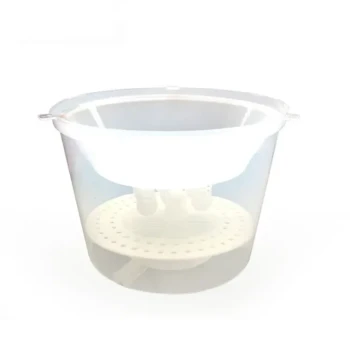
Once dislodged, the pollen falls through a secondary mesh into a protected collection tray below.
This separates the biological sample from the colony immediately, preventing the bees from retrieving it and ensuring the researcher obtains fresh, unaltered material.
Critical Research Applications
Mapping Foraging Diversity
The collected pollen provides a direct snapshot of the local ecosystem.
By analyzing the composition of the pellets, researchers can identify exactly which plant species the colony is visiting, creating a detailed map of environmental pollen resources.
Quantifying Colony Dynamics
The volume and weight of the collected pollen serve as a metric for foraging intensity.
This data helps technicians understand how active a colony is and how well the surrounding environment supports their nutritional needs across different seasons.
Studying Pathogen Transmission
Research utilizes these traps to study hive health beyond just nutrition.
Scientists use the traps to evaluate how physical interventions and the high-frequency contact caused by the grid affect colony health, specifically regarding the transmission of pathogens like Chronic Bee Paralysis Virus.
Understanding the Trade-offs
Nutritional Deficit
While the primary reference notes the device works "without causing harm," it functions by depriving the colony of a portion of its protein source.
Continuous use of a pollen trap can lead to nutritional stress if the colony is not monitored or supplemented, as pollen is essential for rearing brood.
Physical Stress and Congestion
The installation of a trap alters the traffic flow at the hive entrance.
Forcing bees through a grid creates congestion and increases physical contact between bees, which can inadvertently facilitate the spread of contact-transmissible viruses or cause physical fatigue in foragers.
Making the Right Choice for Your Goal
When employing pollen traps in your research or apiary management, align your usage duration with your specific objective.
- If your primary focus is Environmental Analysis: Prioritize short-term sampling intervals to capture biodiversity snapshots without compromising the colony's long-term nutritional reserves.
- If your primary focus is Colony Management: Use the trap to assess seasonal pollen supply gaps, providing the scientific basis for deciding when to initiate supplemental feeding or migrate the apiary.
The Pollen Trap is the bridge between the internal biology of the hive and the external diversity of the landscape.
Summary Table:
| Feature | Function & Impact |
|---|---|
| Core Mechanism | Mechanical grid dislodges pollen pellets from bee corbiculae |
| Research Use | Maps local plant biodiversity and quantifies foraging intensity |
| Health Analysis | Monitors pathogen transmission and environmental pollutants |
| Key Benefit | Non-invasive data collection without lethal sampling |
| Management Tip | Use short-term sampling to prevent colony nutritional stress |
Elevate Your Apiary with Professional Tools from HONESTBEE
Are you looking to scale your commercial operation or enhance your research capabilities? HONESTBEE provides high-quality beekeeping tools, machinery, and essential consumables designed specifically for commercial apiaries and distributors. From precision pollen collection devices to industrial-grade honey-filling machines, our comprehensive wholesale offering ensures you have the hardware needed for success.
Partner with HONESTBEE to access:
- Advanced Machinery: Specialized hive-making and processing equipment.
- Reliable Consumables: Durable tools for daily hive management and research.
- Wholesale Expertise: Tailored support for large-scale operations and distributors.
Contact us today to explore our full portfolio and request a quote.
References
- Valeria Malagnini, Paolo Fontana. Seasonality and Landscape Composition Drive the Diversity of Pollen Collected by Managed Honey Bees. DOI: 10.3389/fsufs.2022.865368
This article is also based on technical information from HonestBee Knowledge Base .
Related Products
- Removable Plastic Pollen Trap With Ventilated Tray for Bees Pollen Collector
- 30 cm Plastic Entrance Hole Bee Pollen Trap and Collector
- Plastic Bee Pollen Trap Strips Comb Catcher Collector
- High-Efficiency Diamond Maze Bee Escape for Clearing Supers
- Professional Bucket Style Wasp and Moth Pheromone Trap
People Also Ask
- What are the design principles and advantages of pollen traps in the collection of bee pollen? Boost Your Apiary Yield
- What is the function of professional pollen traps in evaluating honey plants? Quantifying Pollination and Crop Potential
- What functions do pollen traps serve for bee bread production? Optimize Your Raw Material Collection
- What maintenance and pest prevention measures should be taken for pollen traps? Protect Your Hive and Harvest Quality
- How does the use of pollen traps in honeybee hives enhance crop fertilization? Boost Your Yield Through Induced Activity