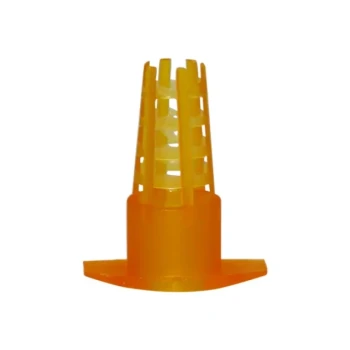
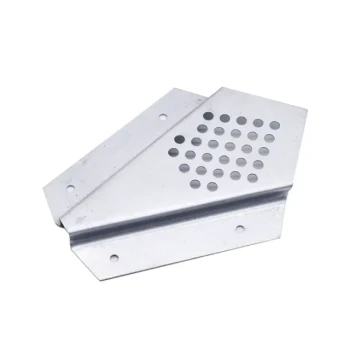
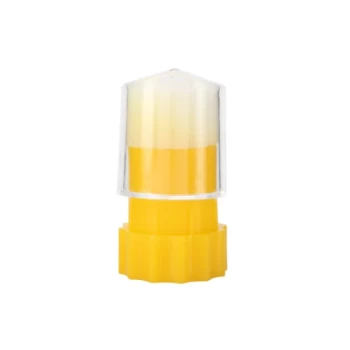
In the context of honey bee larval physiology research, a queen excluder functions as a precision tool for temporal and spatial control rather than a simple barrier. It restricts the queen to specific frames or cages to force egg-laying within a tight timeframe, ensuring the generation of larval samples that are of a precise and consistent age.
Core Takeaway The queen excluder is the fundamental instrument for creating age-synchronized experimental cohorts. By limiting the queen's access to specific combs, researchers eliminate developmental variables, ensuring that all larvae used in subsequent studies—such as pesticide exposure or pathogen sensitivity—are at the exact same physiological stage.
Establishing Experimental Standardization
Restricting the Queen's Location
The primary mechanical function of the excluder in a research setting is to confine the queen to a specific area, such as specific frames or a dedicated "queen excluder cage."
This prevents her from laying eggs randomly throughout the hive. Instead, she is forced to lay eggs on the target frames provided by the researchers.
Controlling the Time Window
By using the excluder to restrict the queen for a specific duration—often a 48-hour window—researchers can pinpoint the exact start of larval development.
Once the time window closes and the queen or excluder is removed, the researcher knows that every egg on that frame was laid within that specific period.
Generating Uniform Cohorts
The result of this restriction is a "batch" of larvae that are perfectly synchronized.
This uniformity is the foundation of physiological study. Without the excluder, a frame might contain eggs, larvae, and capped brood of varying ages, making it impossible to isolate specific developmental milestones.
The Necessity for Physiological Accuracy
Ensuring Comparability of Results
The primary reference highlights that obtaining larvae of a consistent age is critical for establishing standardized experimental cohorts.
When testing for variables like pesticide toxicity, results must be comparable across different groups. If larvae are different ages, they may metabolize toxins differently, rendering the data noisy or invalid.
Eliminating Developmental Bias
Variations in larval age can introduce significant experimental bias.
As noted in the supplementary references, susceptibility to pathogens like chalkbrood changes as larvae develop. Using an excluder ensures that any observed difference in mortality or health is due to the experimental treatment, not because one larva was older and more resilient than another.
Facilitating Dose-Response Tests
For high-sensitivity experiments, such as pesticide dose-response tests, precise "age-gating" is mandatory.
Modified hives with built-in mesh excluders allow researchers to harvest larvae that are completely uniform, ensuring that physiological responses to chemical stressors are measured accurately.
Understanding the Trade-offs
Disruption of Natural Behavior
While essential for data, the excluder imposes an artificial constraint on the hive.
Restricting the queen suppresses her natural instinct to move and lay freely. In some tropical species, suppressing these instincts via restriction can lead to hive instability or attempts to swarm.
Potential for Colony Stress
Extended restriction can limit overall colony development.
As noted in the supplementary materials, removing excluders allows for a healthy brood pattern and robust colony growth. Therefore, in research, the excluder is a temporary tool for sample collection, not a permanent fixture for colony health maintenance.
Making the Right Choice for Your Goal
To apply this to your project, use the excluder according to your specific data requirements:
- If your primary focus is Toxicology or Pathology: Use the excluder to confine the queen for a strict 24-48 hour window to guarantee age-synchronized larvae and eliminate developmental variables.
- If your primary focus is General Colony Maintenance: Remove the excluder after the sample collection period to allow the queen unrestricted movement and promote a robust, natural brood pattern.
In summary, the queen excluder transforms the beehive from a chaotic natural environment into a controlled laboratory setting, ensuring the statistical validity of physiological data.
Summary Table:
| Research Function | Technical Mechanism | Scientific Benefit |
|---|---|---|
| Temporal Control | Confines queen for 24-48 hours | Pinpoints exact larval age for developmental studies |
| Spatial Restriction | Limits laying to specific frames | Facilitates easy harvesting of uniform larval samples |
| Standardization | Eliminates developmental variables | Ensures data validity in pesticide and pathogen testing |
| Experimental Accuracy | Prevents age-based metabolic bias | Enables precise dose-response and toxicity measurements |
Scale Your Apiary Research and Operations with HONESTBEE
At HONESTBEE, we understand that precision is the backbone of both scientific research and commercial success. Whether you are running a laboratory study requiring age-synchronized larvae or managing a large-scale commercial apiary, our comprehensive wholesale solutions are designed to meet your exact needs.
Why partner with HONESTBEE?
- Complete Equipment Range: From precision queen excluders and specialized hive hardware to heavy-duty honey-filling machines and hive-making equipment.
- Tailored for Professionals: We cater specifically to commercial apiaries and distributors with high-quality, durable beekeeping tools and essential consumables.
- Beyond the Hive: Enhance your brand with our unique honey-themed cultural merchandise and specialized machinery.
Ready to elevate your beekeeping capabilities? Contact us today to explore our wholesale offerings and discover how we can streamline your production and research efficiency!
References
- Daiana Antonia Tavares, Luc Belzunces. Exposure of larvae to thiamethoxam affects the survival and physiology of the honey bee at post-embryonic stages. DOI: 10.1016/j.envpol.2017.05.092
This article is also based on technical information from HonestBee Knowledge Base .
Related Products
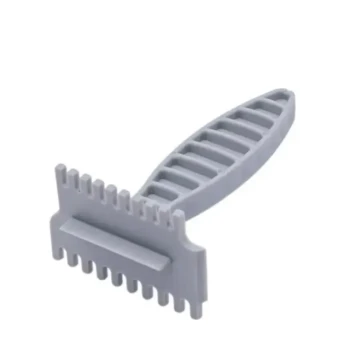
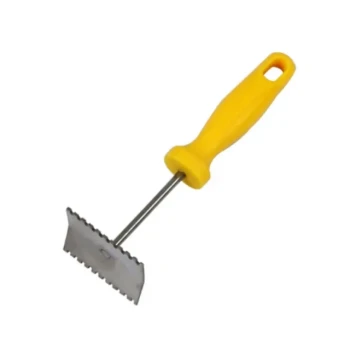
- Lightweight Durable Plastic Queen Excluder Scraper for Beekeeping
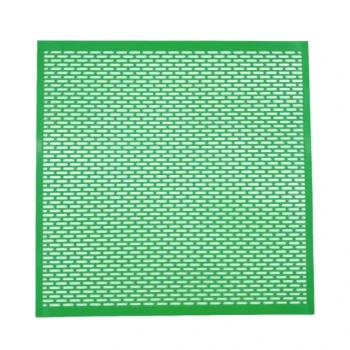
- Professional Plastic Queen Excluder for Modern Beekeeping
- High Performance Plastic Queen Excluder for Beekeeping and Apiary Management
- Metal Queen Bee Excluder for Beekeeping
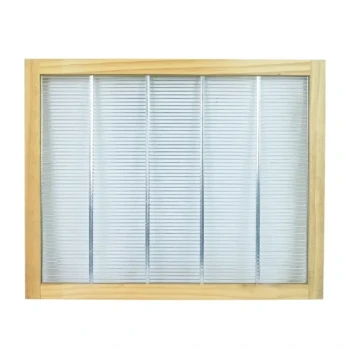
- Premium Wood Framed Metal Wire Queen Bee Excluder
People Also Ask
- Why are standardized hive frames and queen excluders essential for maintaining honey purity and quality? Scale Your Purity
- What types of queen excluders are available for beekeepers? Choose the Right Tool for Your Hive
- What are the benefits of using a queen excluder for monitoring and managing the queen bee? Master Hive Control Today!
- What is the purpose of removing queen excluders during the queen bee installation? Maximize Colony Growth Today
- What is a queen excluder in beekeeping? A Guide to Hive Management & Honey Production