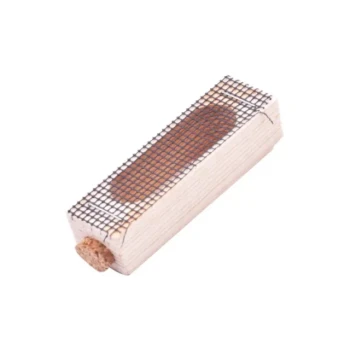
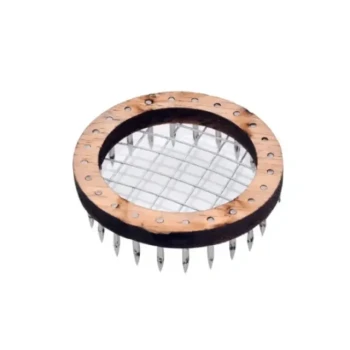
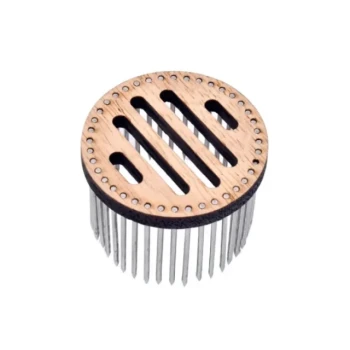
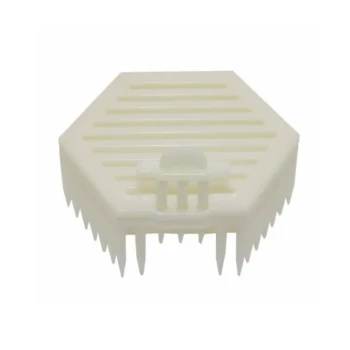
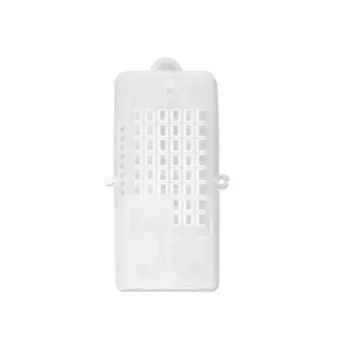
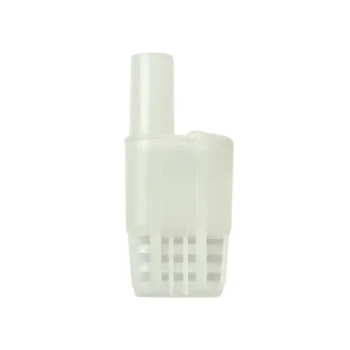
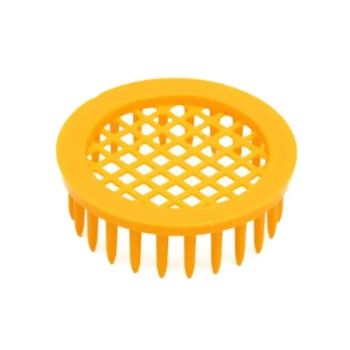
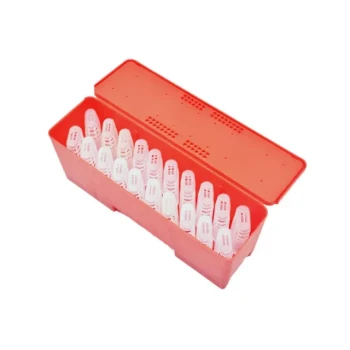
A standard wooden queen cage serves as a specialized isolation chamber designed for the temporary housing, safe transportation, and strategic introduction of honey bee queens. Its fundamental function is to maintain the queen's physiological stability by allowing essential care and feeding from worker bees while physically shielding her from environmental disturbances and colony aggression.
Core Takeaway The queen cage acts as a biological buffer, bridging the gap between transport and hive acceptance. By creating a physical barrier that permits pheromone diffusion and feeding but prevents direct conflict, it ensures the queen survives the critical transition period from transit to full colony integration.
The Mechanics of Protection and Care
Physical Isolation and Safety
The primary utility of the wooden cage is physical isolation. Whether during transport or the introduction process, the queen is vulnerable to aggression.
The cage structure creates a defensive perimeter. This prevents worker bees—who may view a new queen as an invader—from "balling" (attacking and overheating) or stinging her upon initial contact.
Physiological Stability
For the queen to remain viable, she must be kept in a stable physiological state.
According to the primary reference, this is critical for virgin queens prior to morphological assessment. The cage limits her movement and exposure, preventing stress that could alter her physical condition or reproductive potential before she is evaluated or mated.
Provisioning and Worker Access
While isolation is key, total separation is fatal. The cage is designed to allow worker bees to enter or interact through the mesh for feeding and grooming.
This semi-permeable design ensures the queen receives the nutrition she needs to survive without being exposed to the full, potentially hostile, population of the hive.
Facilitating Hive Introduction
Gradual Integration
Beyond simple transport, the cage is the primary tool for controlled introduction.
A sudden release of a new queen often leads to rejection. The cage holds the queen within the hive, allowing her unique pheromones to slowly diffuse through the wire gauze or mesh.
Minimizing Rejection Risk
This slow release of scent changes the colony's chemistry over time.
By the time the queen is released, the colony has acclimated to her presence. The cage acts as a regulatory device, preventing the workers from rejecting the queen until the "colony odor" has been successfully reset.
Understanding the Trade-offs
Confinement vs. Functionality
The cage is a temporary solution, not a long-term habitat. While it provides safety, it strictly limits the queen's natural behaviors.
Prolonged confinement prevents the queen from laying eggs, which can eventually impact her biological rhythm. Furthermore, while the cage allows for feeding via a sugar solution or attendants, it cannot support a queen indefinitely without the full resources of a functioning colony.
The Acceptance Variable
While the cage reduces risk, it does not guarantee acceptance.
The "safe environment" provided is physical, not behavioral. If the colony is not queenless or if the introduction is rushed before pheromone acclimation occurs, the protection offered by the cage ceases the moment the queen is released.
Making the Right Choice for Your Goal
To utilize a wooden queen cage effectively, align its function with your immediate operational objective:
- If your primary focus is Transportation: Ensure the cage allows sufficient access for attendant workers to enter and feed the queen to maintain her physiological health during transit.
- If your primary focus is Queen Introduction: Rely on the cage as a diffusion barrier to delay physical contact until the colony's aggression has subsided and the new pheromones are accepted.
- If your primary focus is Assessment: Use the cage to restrict the queen's activity and protect virgin queens from damage prior to morphological examination.
The queen cage is not merely a container; it is a time-delay tool that trades immediate freedom for long-term survival.
Summary Table:
| Feature | Primary Function | Benefit for Beekeeping |
|---|---|---|
| Physical Isolation | Shields queen from colony aggression | Prevents "balling" and injury from hostile workers |
| Pheromone Diffusion | Allows scent to permeate the hive | Facilitates gradual colony acceptance and integration |
| Semi-permeable Mesh | Enables worker-to-queen feeding | Ensures queen nutrition and grooming during transit |
| Controlled Release | Delays direct physical contact | Increases the success rate of queen replacement |
| Restricted Movement | Maintains physiological stability | Protects virgin queens prior to assessment or mating |
Elevate Your Apiary Operations with HONESTBEE
Successful queen introduction is the backbone of a thriving honey farm. HONESTBEE provides professional-grade beekeeping tools designed for the rigors of commercial apiaries and distributors. From high-quality wooden queen cages to advanced honey-filling machines and hive-making equipment, we supply the full spectrum of hardware and consumables you need to scale your business.
Ready to upgrade your equipment? Explore our comprehensive wholesale catalog and discover how our industry expertise can enhance your productivity.
References
- Adham M. Moustafa, Zeinab K. Hamza. VARIATIONS IN THE QUALITY OF VIRGIN QUEENS OF HONEY BEE THAT PRODUCED COMMERCIALLY FROM DIFFERENT SOURCES IN EGYPT DURING TWO SEASONS.. DOI: 10.21608/jppp.2014.88036
This article is also based on technical information from HonestBee Knowledge Base .
Related Products
- Classic Wooden and Mesh California Queen Cage
- Wood and Mesh Push-In Queen Cage
- Premium Wood and Steel Push In Queen Cage
- Professional Wooden Requeening Frame for Beekeeping
- Hexagonal Direct Comb Introduction Queen Bee Cage
People Also Ask
- How are queen cages used to protect newly hatched queens? Secure Your Virgin Queens During Development
- Why are queen cages or grid cages used in bee studies? Achieve Precise Biological Data for Research
- Why are professional queen cages necessary for queen replacement? Secure Your Apiary’s Future
- What should be done if bees damage the queen cage? Secure Your Queen with These Emergency Intervention Steps
- What is the correct procedure for installing a queen cage into a new hive? A Pro Guide for Colony Success