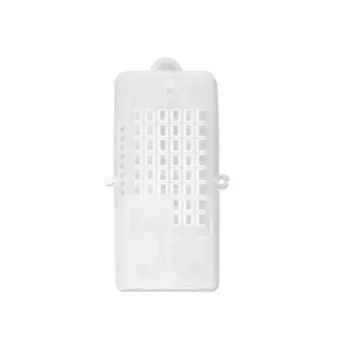
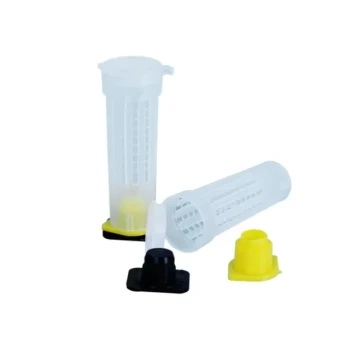
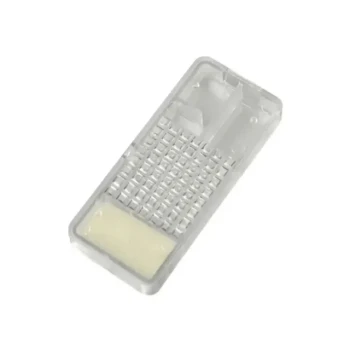
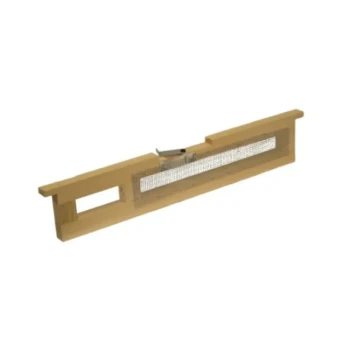
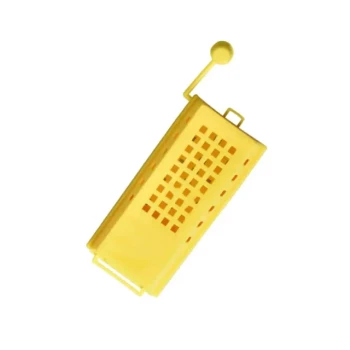
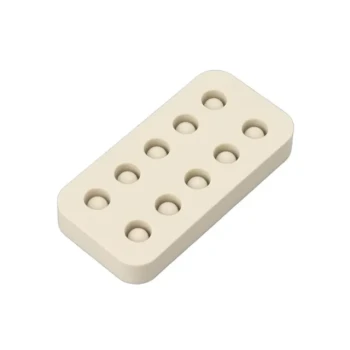
Artificial plastic domes function as standardized, surrogate "wombs" for developing queen bees in the Doolittle method. These components serve as the essential receptacle for grafting, where a beekeeper places a ~24-hour-old larva and a prime of royal jelly to mimic the natural environment of a queen cell.
By simulating the physical structure of a natural queen cup, these plastic domes trigger the colony's instinct to feed and nurture specific larvae as potential queens, enabling scalable and controlled genetic reproduction.
The Mechanics of Simulation
The primary role of the plastic dome is to trick the worker bees. In a natural hive, bees build "queen cups" only under specific conditions (swarming or supersedure).
Mimicking the Natural Cell Base
The plastic dome acts as an artificial queen cup. It provides the necessary physical space and shape that worker bees recognize as a developing queen site.
Inducing Specialized Nursing
Once a larva is grafted into the dome, the physical structure prompts nurse bees to switch their behavior. They begin filling the dome with copious amounts of royal jelly, a nutritional shift required to turn a worker larva into a reproductive queen.
Providing Structural Integrity
Unlike natural wax cells which can be fragile or irregularly placed, plastic domes (often made of high-strength acrylic) offer a rigid, standardized container. This protects the developing larva during handling and inspection.
Facilitating Large-Scale Production
Beyond biology, the plastic dome is a tool for logistical efficiency. It transforms queen rearing from a random natural event into a managed industrial process.
Standardization of Equipment
Plastic domes are designed to fit onto grafting frames via wooden bars. This allows beekeepers to arrange dozens of potential queens in a single colony, maximizing the output of the hive's resources.
Genetic Transfer
These domes serve as mobile carriers for genetics. A beekeeper can select larvae from a specific "breeder" queen (chosen for traits like calmness or honey production) and transfer them into domes placed in a different "finisher" colony.
Optimization of Royal Jelly Storage
The internal volume of the artificial cup is critical. It dictates the maximum storage capacity for royal jelly, which directly correlates to the developmental quality and vitality of the resulting virgin queen.
Understanding the Trade-offs
While plastic domes are the industry standard for the Doolittle method, they introduce variables that must be managed to ensure success.
Acceptance Issues
Bees may initially reject plastic components because they lack the scent of the hive. It is often necessary for worker bees to clean and polish these cups before grafting to ensure the larvae are accepted.
Volume Limitations
Not all plastic domes are created equal. If the internal volume of the manufactured dome is too small, it may restrict the amount of royal jelly available to the larva, leading to smaller, lower-quality queens.
Making the Right Choice for Your Goal
The use of plastic domes allows you to control the quality and quantity of your apiary's genetics.
- If your primary focus is Scalability: Utilize standardized grafting frames that hold multiple bars of plastic domes to maximize the number of queens raised per colony.
- If your primary focus is Acceptance Rates: Ensure plastic domes are introduced to the hive for cleaning prior to grafting, or "prime" them with royal jelly to mask the artificial material.
The plastic dome is not just a cup; it is the interface that allows you to harness the biological drive of the colony for precision breeding.
Summary Table:
| Feature | Function in Doolittle Method | Benefit for Beekeepers |
|---|---|---|
| Structural Mimicry | Simulates natural wax queen cups | Triggers nurse bees to provide royal jelly |
| Standardization | Uniform size and rigid acrylic material | Ensures consistent queen quality and easier handling |
| Scalability | Fits onto specialized grafting bars | Enables mass production of dozens of queens per hive |
| Genetic Carrier | Acts as a mobile vessel for selected larvae | Facilitates precise transfer of superior honey-producing traits |
Maximize Your Apiary's Genetic Potential with HONESTBEE
At HONESTBEE, we understand that high-quality queen rearing is the foundation of a successful commercial operation. As a dedicated partner to commercial apiaries and distributors, we provide the full spectrum of professional beekeeping tools, from precision grafting equipment and high-strength artificial plastic domes to advanced hive-making and honey-filling machinery.
Whether you are scaling your queen production or looking to stock essential industry consumables, our comprehensive wholesale offerings are designed to enhance your operational efficiency and output.
Ready to elevate your beekeeping business? Contact our experts today to explore our specialized hardware and cultural merchandise tailored for industry leaders.
References
- Francisco de Assis Balbino Uchôa, José da Silva Sousa. EFFECT OF WEIGHT OF AFRICANIZED QUEENS (Apis mellifera L.) AT BIRTH IN HONEY PRODUCTION IN SEMI-ARID PIAUIENSE. DOI: 10.30969/acsa.v8i2.172
This article is also based on technical information from HonestBee Knowledge Base .
Related Products
- Durable Plastic Push In Queen Bee Cage
- Twin Queen Styrofoam Honey Bee Nucs Mating and Breeding Box
- JZBZ Type Wide Base Plastic Queen Cell Cups for Base Mounting and Queen Rearing
- Professional Plastic Queen Excluder for Modern Beekeeping
- Professional Multi-Compartment Queen Cage with Sliding Lid
People Also Ask
- What advantages do push-in queen cages offer? Boost Acceptance Rates for Artificially Inseminated Queens
- What is a push-in queen cage and how does it differ from a standard queen cage? Boosting Your Queen Acceptance Rates
- How can a beekeeper obtain a push-in queen cage? DIY vs. Professional Sourcing Guide
- Why are specialized queen bee cages used for the banking of mated queen bees? Maximize Commercial Apiary Storage Efficiency
- What is a push-in queen cage and how does it differ from standard cages? Achieve Higher Queen Acceptance Rates