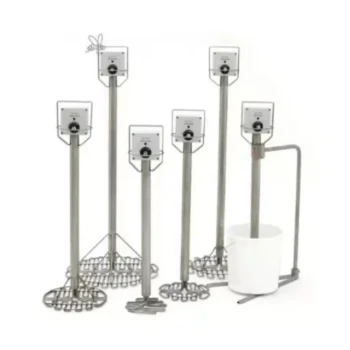
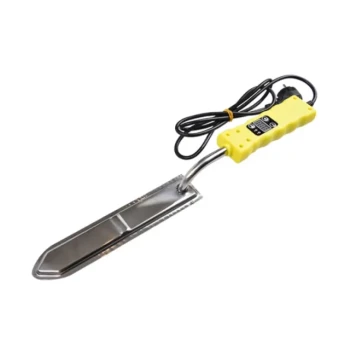
Heating honey samples to 40°C is a fundamental pretreatment step designed to standardize the physical state of the substance before optical measurement. This thermal treatment primarily serves to dissolve sugar crystals and eliminate trapped air bubbles, creating a clear, homogeneous medium that allows for accurate light transmission and digital image acquisition.
The goal of this process is to ensure that color measurements reflect the honey's intrinsic chemical properties, rather than temporary physical irregularities. By removing crystals and air pockets, you eliminate optical noise that would otherwise distort the analysis.
The Physics of Sample Preparation
Eliminating Optical Interferences
Honey in its natural state often contains crystallized sugars and suspended air bubbles.
These physical irregularities refract and scatter light unpredictably. Heating the sample to 40°C melts these crystals and releases the air, ensuring the light path through the sample remains unobstructed during analysis.
Ensuring Homogeneity
Accurate color analysis relies on the sample being uniform throughout.
Thermal treatment reduces the natural viscosity of the honey, allowing for effective physical homogenization. This ensures that the specific aliquot being analyzed is truly representative of the entire batch, preventing data skew caused by separation or localized crystallization.
Optimizing for Digital Imaging
Modern color analysis often involves digital image acquisition.
A sample plagued by opacity (from crystals) or refraction (from bubbles) will yield inconsistent digital data. Pretreatment creates the optical clarity required for sensors to capture a true, repeatable color value.
The Role of Viscosity and Handling
Facilitating Accurate Handling
High-viscosity honey is difficult to manipulate precisely in a laboratory setting.
By using thermostatic heating to lower viscosity, the sample becomes fluid enough to be poured or pipetted into cuvettes or containers without introducing new air bubbles.
Improving Dissolution
If the analysis requires dilution, a heated, less viscous sample dissolves more rapidly and completely in solvents like distilled water.
This prevents the formation of concentration gradients within the solution, which could otherwise lead to erroneous readings regarding the honey's density and color intensity.
Understanding the Trade-offs: Heat vs. Quality
The Risk of Thermal Degradation
While heat is necessary for clarity, it acts as a double-edged sword.
Exceeding the recommended 40°C threshold or heating for prolonged periods can trigger the degradation of heat-sensitive components, such as enzymes. Crucially for color analysis, excessive heat accelerates the formation of Hydroxymethylfurfural (HMF) via the Maillard reaction.
Impact on Color Data
Overheating does not just damage nutrients; it actively darkens the honey.
If the pretreatment temperature is uncontrolled, the sample will artificially darken, rendering the color analysis invalid. Therefore, the use of thermostatic water baths or precise heating plates is essential to maintain the delicate balance between liquefaction and chemical preservation.
Ensuring Data Integrity for Your Project
Recommendations for Application
- If your primary focus is Optical Accuracy: Strictly maintain the temperature at 40°C to ensure crystals are dissolved without triggering the browning reactions that skew color data.
- If your primary focus is Workflow Efficiency: Utilize an ultrasonic water bath to accelerate the removal of air bubbles and liquefaction while keeping thermal exposure time to a minimum.
Precision in pretreatment is the invisible baseline that validates every subsequent measurement in your analysis.
Summary Table:
| Pretreatment Step | Primary Function | Impact on Color Analysis |
|---|---|---|
| Heating to 40°C | Dissolves sugar crystals & melts solids | Eliminates light scattering and refraction |
| Air Bubble Removal | Ensures a clear, homogeneous medium | Prevents optical noise and digital imaging errors |
| Viscosity Reduction | Facilitates easier handling and pouring | Enables bubble-free transfer to cuvettes |
| Thermostatic Control | Prevents HMF formation & Maillard reaction | Protects sample from artificial heat-induced darkening |
Elevate Your Honey Quality Control with HONESTBEE
Precision in color analysis starts with the right equipment. At HONESTBEE, we empower commercial apiaries and honey distributors with the professional-grade tools needed to ensure product excellence. From advanced honey-filling machines and specialized processing hardware to a full spectrum of beekeeping consumables, our wholesale solutions are designed to optimize your workflow.
Ready to scale your operations or upgrade your laboratory efficiency? Contact us today to explore our comprehensive machinery and wholesale catalog!
References
- Marina A. Domínguez, María E. Centurión. Application of digital images to determine color in honey samples from Argentina. DOI: 10.1016/j.microc.2014.08.002
This article is also based on technical information from HonestBee Knowledge Base .
Related Products
- Silicone Rubber Honey Drum Heating Belt
- Professional Stainless Steel Honey Filtering Machine with Water Bath Heating for Beekeeping
- Honey Concentrating Vacuum Heating Thickening Machine Dehumidifier for Honey
- Professional Thermostatic Conical Honey Melter
- Honey Tank Heater Drum Heating Blanket for Honey Barrel
People Also Ask
- What alternatives can be used to facilitate honey removal if a room heater is unavailable? Safe Warming Solutions
- What is the recommended method for heating honey to preserve its quality? Expert Guide for Commercial Apiaries
- What methods are used to heat honey, and what precaution should be taken? Expert Guide to Safe Honey Liquefaction
- What factors should be considered when selecting a heater for honey containers? Optimize Your Warming Efficiency
- How to heat a bucket of honey? Safely Restore Liquid Honey While Preserving Quality