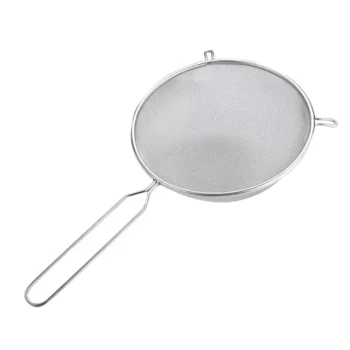
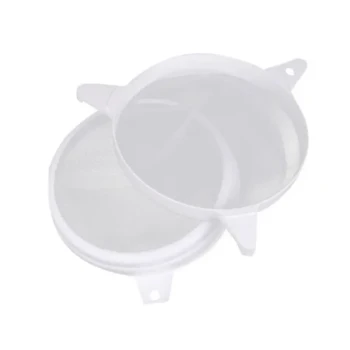
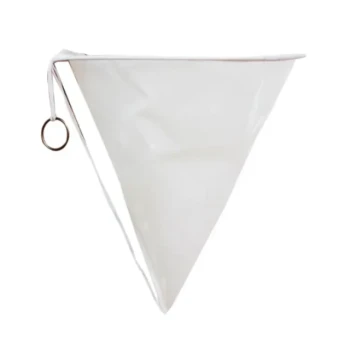
Honey Filtering Materials serve as the definitive purification step in the transition from raw harvest to marketable product. Their primary function is to mechanically isolate and remove physical contaminants such as wax debris, bee remains, and other particulate matter to ensure the honey achieves high transparency and visual clarity.
The core value of these materials lies in their ability to delay natural crystallization by removing the microscopic particles that trigger it. By stabilizing the honey’s liquid state, filtration extends shelf life and positions the product for premium pricing in the commercial market.
The Pillars of Commercial Enhancement
Elevating Sensory Quality
Raw honey naturally contains debris that can cloud the product and deter consumers. Honey Filtering Materials utilize high-precision media to strip away these impurities.
This process ensures the final product possesses the crystal-clear transparency and uniform texture that modern consumers associate with high-quality food products.
Extending Shelf Life via Stabilization
Crystallization is a natural enemy of commercial shelf longevity. Impurities such as wax bits or pollen fragments often act as nucleation points, accelerating the solidification process.
By performing fine filtration, these materials effectively remove these catalysts. This significantly delays crystallization, allowing the honey to remain in a desirable liquid state for a longer period on retail shelves.
Ensuring Hygiene and Food Safety
Beyond aesthetics, filtration is a critical hygiene control point. It removes micro-impurities and biological fragments that may be introduced during harvesting.
This mechanical purification minimizes contamination risks. It ensures the honey meets strict food safety standards, which is a prerequisite for entering high-value retail channels.
Critical Considerations in Filtration
Balancing Purity with Bioactivity
While high clarity is desirable, it is vital to select filtering materials that do not strip the honey of its character. The goal is to remove physical debris while preserving essential bioactive components.
Over-processing can inadvertently remove markers of authenticity, such as specific enzymes or trace elements. Efficient filtration systems improve clarity without compromising the nutritional profile or the natural flavor that defines the product's origin.
Verification of Maturity
Proper filtration works in tandem with harvest timing. It effectively processes honey that has reached optimal maturity, indicated by correct moisture content and biochemical markers.
Filtering immature or high-moisture honey can lead to spoilage, regardless of clarity. Therefore, filtering materials are most effective when used as part of a system that verifies the honey is fully ripened.
Making the Right Choice for Your Goal
- If your primary focus is High-End Retail: Prioritize high-precision filtration media to achieve maximum transparency and clarity, as visual appeal drives consumer premiums.
- If your primary focus is Supply Chain Longevity: Focus on removing micro-impurities to eliminate nucleation sites, thereby maximizing the shelf life before crystallization occurs.
Strategic use of filtering materials transforms raw apiary output into a stable, safe, and commercially viable consumer product.
Summary Table:
| Feature | Function in Honey Processing | Commercial Benefit |
|---|---|---|
| Physical Purification | Removes wax, bee debris, and particulates | Ensures crystal-clear transparency and premium visual appeal |
| Crystallization Control | Eliminates nucleation points (pollen/wax fragments) | Stabilizes liquid state and extends retail shelf life |
| Hygiene Control | Removes biological contaminants and micro-impurities | Meets strict food safety standards for high-value retail |
| Selective Filtration | Balances debris removal with nutrient preservation | Maintains natural bioactive enzymes and authentic flavor profiles |
Scale Your Honey Production with HONESTBEE
Transform your raw harvest into a premium, shelf-ready product with professional-grade filtration solutions from HONESTBEE. As a leading partner for commercial apiaries and distributors, we provide the specialized equipment and consumables you need to succeed in the global market.
Our value to your business includes:
- Comprehensive Wholesale Offering: A complete spectrum of beekeeping tools, machinery, and essential consumables.
- Precision Machinery: High-efficiency honey-filling and hive-making machines designed for high-volume output.
- Market Growth: Specialized hardware and honey-themed cultural merchandise to help you stand out to your customers.
Ready to enhance your product quality and optimize your supply chain? Contact HONESTBEE today to explore our wholesale solutions!
References
- Moges Girmay Phogella, Workie Sahlu Anbaw. Honey value chain analysis and Gender role in Dehana Woreda Waghimra Zone of Amhara, Ethiopia.. DOI: 10.33259/jlivestsci.2024.208-217
This article is also based on technical information from HonestBee Knowledge Base .
Related Products
- Professional Stainless Steel Honey Filter with Support Handle
- Professional Stainless Steel Honey Filtering Machine with Water Bath Heating for Beekeeping
- Two-Stage Plastic Honey Filter for Buckets
- Conical Nylon Honey Strainer Filter Bag for Beekeeping and Honey Filtration
- Electric Double Wall Honey Filtering Machine Purifier Equipment for Honey Processing Plant
People Also Ask
- Why are stainless steel filters essential during the initial purification phase of honey processing? Ensure Purity
- What are the benefits of using a high-quality honey filter? Elevate Purity and Preserve Natural Flavor
- What is the primary purpose of honey filters? Achieve Professional Clarity & Pure Honey Quality
- What micron filter should I use for honey? Choose the Right Filter for Sales or Competitions
- Why do people filter honey? For Clarity, Stability, and Consumer Appeal