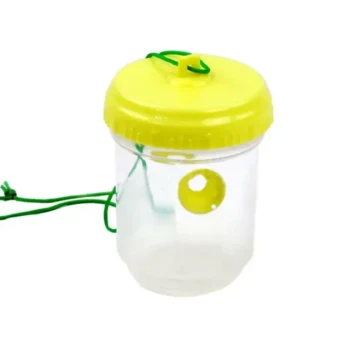
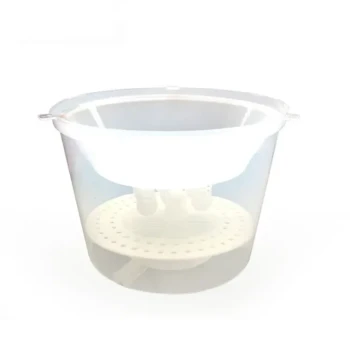
Pollen traps are precision mechanical devices designed to function as the gateway for diversifying forest beekeeping operations. Installed directly at the hive entrance, they utilize a specific aperture or grid design to mechanically strip pollen pellets from the hind legs of returning worker bees, collecting them in a dedicated drawer. This process enables the capture of high-nutrition pollen during peak blooming periods, significantly increasing the economic yield per unit of forest land beyond honey production alone.
Pollen traps act as a critical lever for "diversified product strategy" in modern apiaries. They transform a hive from a single-product unit into a source of multiple revenue streams, while simultaneously providing a non-destructive method to monitor forest biodiversity and botanical quality.
The Economic Function: Diversification
In forest-based management, the primary function of the pollen trap is to maximize the economic potential of the land.
Breaking the Monoculture of Honey
Traditional beekeeping often relies solely on honey. Pollen traps allow apiarists to implement a diversified bee product strategy.
Capturing Peak Nutrition
Forests often have intense, short-term blooming windows. Traps allow for the efficient harvest of high-nutrition pollen specifically during these peak blooming periods.
Increasing Land Value
By harvesting pollen alongside honey, the total economic output per unit of forest land is significantly increased without requiring additional hives or territory.
The Mechanical Function: How It Works
Understanding the physical mechanism is essential for proper deployment.
The Mechanical Barrier
The core of the trap is a physical grid or aperture design. As foraging bees attempt to enter the hive, they are forced to squeeze through openings that are specifically sized to permit the bee but not the pollen load.
Non-Destructive Collection
This process effectively "scrapes" or dislodges the pellets from the bees' hind legs. The pollen falls into a protected collection drawer, ensuring the harvest is fresh and raw while the bee enters the colony unharmed.
Operational Variance
Traps can be front-mounted or bottom-mounted. Bottom pollen traps are often preferred in high-traffic hives as they typically cause less interference with bee flight frequency compared to top-mounted or front-mounted alternatives.
The Scientific Function: Ecological Monitoring
Beyond economics, pollen traps serve as a vital diagnostic tool for forest management.
Sampling for Composition
The collected pollen provides the physical foundation for analyzing lipid and fatty acid compositions. This data helps determine the nutritional quality of the forest forage available to the colony.
Botanical Classification
Traps allow for the large-scale collection of samples to identify specific floral sources. This is critical for purity verification and understanding the diversity of plant species visited by the bees in a specific landscape.
Environmental Analysis
Fresh samples obtained via traps allow researchers to analyze volatile organic compounds (VOCs) and monitor the environment for potential contaminants in real-time.
Understanding the Trade-offs
While pollen traps are valuable, they introduce specific management challenges that must be weighed carefully.
Impact on Colony Nutrition
Pollen is the primary protein source for the hive, essential for larval development and early spring growth. Continuous trapping can starve the colony of necessary nutrients.
Balancing Harvest and Health
If natural sources are insufficient or trapping is too aggressive, the colony may require supplementation with pollen patties to maintain strength. Effective management requires using traps only during surplus flows, not during periods of scarcity or rapid colony expansion.
Making the Right Choice for Your Goal
To integrate pollen traps effectively into your forest management plan, align your usage with your specific objectives:
- If your primary focus is Economic Yield: Deploy traps specifically during peak forest blooming periods to maximize high-nutrition volume without hampering colony growth during the shoulder seasons.
- If your primary focus is Research or Certification: Use traps to collect bulk samples for botanical classification and purity verification to validate the geographic and floral origin of your products.
- If your primary focus is Colony Workflow: Opt for bottom-mounted traps to minimize flight interference and reduce congestion at the hive entrance during heavy foraging days.
The pollen trap is not just a harvesting tool; it is a gateway to understanding and maximizing the total biological output of your forest apiary.
Summary Table:
| Function Category | Key Mechanism / Purpose | Benefit to Apiary |
|---|---|---|
| Economic | Diversified product strategy | Multiple revenue streams (Honey + Pollen) |
| Mechanical | Precision aperture grid | High-efficiency, non-destructive pollen harvest |
| Scientific | Botanical & VOC analysis | Purity verification & environmental monitoring |
| Management | Strategic deployment | Maximized land value & colony health tracking |
Maximize Your Apiary's Potential with HONESTBEE
Elevate your commercial beekeeping operation with HONESTBEE’s premium range of pollen traps and harvesting equipment. As a leading supplier for commercial apiaries and distributors, we provide the tools you need to diversify your revenue streams—from high-precision traps to advanced honey-filling machinery and hive-making equipment.
Why partner with HONESTBEE?
- Comprehensive Wholesale Catalog: One-stop shop for all beekeeping tools and industrial consumables.
- Built for Scale: Machinery designed to handle the demands of professional forest-based beekeeping.
- Industry Expertise: We cater specifically to large-scale operations and distributors worldwide.
Ready to transform your forest apiary into a multi-product powerhouse? Contact us today to discuss our wholesale offerings and customized machinery solutions!
References
- Ersin Güngör. DETERMINATION OF OPTIMUM MANAGEMENT STRATEGY FOR HONEY PRODUCTION FOREST LANDS USING A'WOT AND CONJOINT ANALYSIS: A CASE STUDY IN TURKEY. DOI: 10.15666/aeer/1603_34373459
This article is also based on technical information from HonestBee Knowledge Base .
Related Products
- Removable Plastic Pollen Trap With Ventilated Tray for Bees Pollen Collector
- 30 cm Plastic Entrance Hole Bee Pollen Trap and Collector
- Plastic Bee Pollen Trap Strips Comb Catcher Collector
- High-Efficiency Diamond Maze Bee Escape for Clearing Supers
- Professional Bucket Style Wasp and Moth Pheromone Trap
People Also Ask
- What are the design principles and advantages of pollen traps in the collection of bee pollen? Boost Your Apiary Yield
- What is the function of professional pollen traps in evaluating honey plants? Quantifying Pollination and Crop Potential
- What functions do pollen traps serve for bee bread production? Optimize Your Raw Material Collection
- What maintenance and pest prevention measures should be taken for pollen traps? Protect Your Hive and Harvest Quality
- How does the use of pollen traps in honeybee hives enhance crop fertilization? Boost Your Yield Through Induced Activity