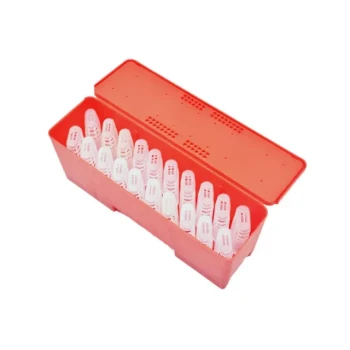
Specialized transport boxes function as the logistical backbone for the commercial exchange of honey bees. They provide a secure, ventilated environment specifically engineered to house a queen and a determined volume of worker bees, ensuring their survival during long-distance transit or commercial handover.
Beyond simple containment, these boxes serve as temporary life-support systems that enable the safe commercialization of surplus bees and the rapid establishment of new apiary units.
The Physical Role: Protection and Life Support
Ensuring Secure Containment
The primary function of the transport box is to create a secure, enclosed space. This containment is vital for keeping the specific ratio of worker bees and the queen together as a cohesive unit.
It prevents the loss of livestock during handling and ensures that the exact quantity of bees purchased is the quantity delivered.
Optimizing Ventilation
Transporting live insects carries a high risk of overheating and suffocation. These boxes are designed to provide optimal ventilation throughout the journey.
Proper airflow regulates the internal temperature and humidity, preventing stress or mortality within the package bee family during long-distance transportation.
Providing Physical Protection
The box acts as a shield against external physical trauma. It protects the fragile cluster of bees from crushing, vibration, and impact during shipping logistics.
The Economic and Biological Utility
Monetizing Surplus Stock
For the seller, these boxes are the tool that converts biological excess into profit. They allow apiaries to generate secondary revenue by safely packaging and selling surplus bees that are not needed for their own production.
Establishing New Production Units
For the buyer, the transport box facilitates the creation of new colonies. It delivers a "starter kit" that can immediately be installed into a hive to begin a new production cycle.
Strengthening Weak Colonies
Biologically, the transport box serves a remedial function. It allows beekeepers to import healthy populations to rapidly reinforce and strengthen weak colonies, preventing total colony collapse.
Understanding the Trade-offs
Ventilation vs. Vulnerability
While ventilation is critical for survival, it presents a design challenge. The more open the structure is for airflow, the more vulnerable the bees may be to environmental extremes like wind chill or rain.
Containment vs. Stress
A secure enclosure prevents escape, but confinement is inherently stressful for the colony. The design must minimize the duration of captivity, as prolonged enclosure in a transport box can degrade the health of the bees regardless of how well-ventilated the box is.
Making the Right Choice for Your Goal
Whether you are selling stock or building an apiary, the transport box is the bridge between a source colony and a destination hive.
- If your primary focus is Commercial Sales: Prioritize boxes that offer robust physical protection to ensure your product arrives in saleable condition, protecting your reputation and revenue.
- If your primary focus is Colony Management: View these boxes as a biological tool to rapidly inject workforce into struggling hives or to systematically expand your apiary's footprint.
The effective use of specialized transport boxes turns a biological resource into a movable, tradeable asset without compromising the health of the colony.
Summary Table:
| Key Function | Description | Benefit for the Apiary |
|---|---|---|
| Life Support | Engineered ventilation and climate control | Minimizes stress and prevents heat-related mortality |
| Secure Containment | Precision enclosure for queen and worker bees | Ensures accurate delivery counts and prevents livestock loss |
| Economic Tool | Standardized packaging for surplus stock | Converts biological excess into tradeable commercial revenue |
| Biological Support | High-mobility distribution units | Facilitates rapid colony expansion and reinforcement of weak hives |
| Physical Defense | Robust structural design | Protects the bee cluster from mechanical impact and vibration |
Streamline Your Commercial Apiary with HONESTBEE
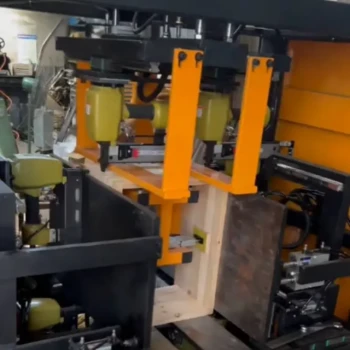
At HONESTBEE, we understand that the safe delivery of package bees is the foundation of your commercial success. As a dedicated partner to commercial apiaries and distributors, we provide a comprehensive wholesale range of professional beekeeping tools, hive-making machinery, and essential industry consumables.
Whether you are looking to monetize surplus stock through secure transport solutions or scaling your operation with high-efficiency honey-filling equipment, HONESTBEE delivers the quality and reliability you need to thrive. From hardware to honey-themed cultural merchandise, we are your one-stop source for beekeeping excellence.
Ready to elevate your production and distribution?
Contact our team today to discuss your wholesale needs
References
- Ali TAHİROV, Yu. Rustamli. The Impact of Pack Bees on Honey Production. DOI: 10.33619/2414-2948/117/47
This article is also based on technical information from HonestBee Knowledge Base .
Related Products
- JZBZ Style Professional Battery Box with 20 Shipping Cages
- Plastic Transporting Bee Packages and Nuc Boxes for Beekeeping
- Professional Queen Bee Introduction and Transport Cage
- Portable Bee Mating Hive Boxes Mini Mating Nucs 8 Frames for Queen Rearing
- Professional Queen Cage with Sliding Gate and Feeder Plug
People Also Ask
- Why are specialized queen bee cages used for the banking of mated queen bees? Maximize Commercial Apiary Storage Efficiency
- How do different materials in queen bee shipping boxes affect temperature? Optimize Bee Health During Transit
- What is the mechanism of action for using temporary queen bee cages? Master Successful Queen Introduction
- What protective role do independent attendant bee partition compartments play? Ensure Safe Queen Bee Transit
- How do specialized logistics consumables like queen bee transport boxes affect biodiversity? Trade-offs & Trends