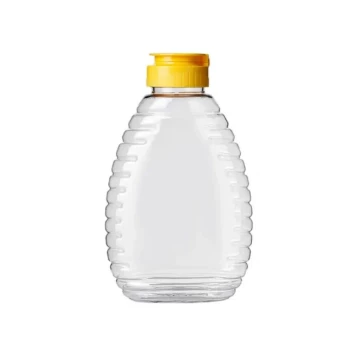
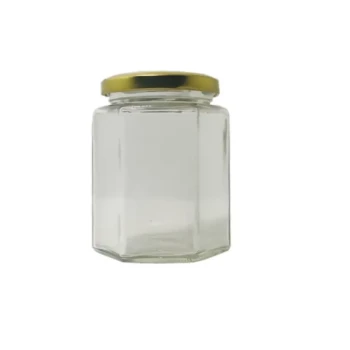
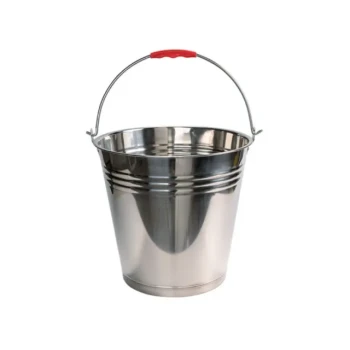
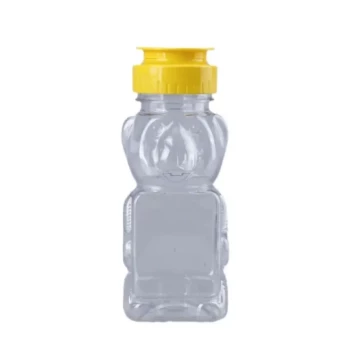
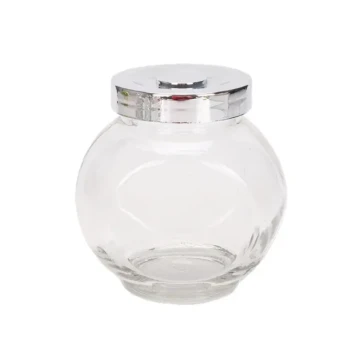
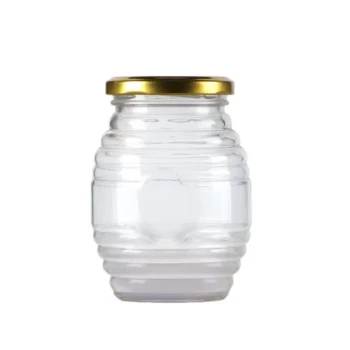
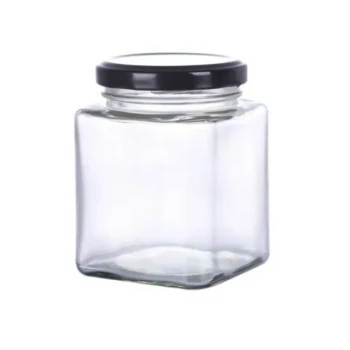
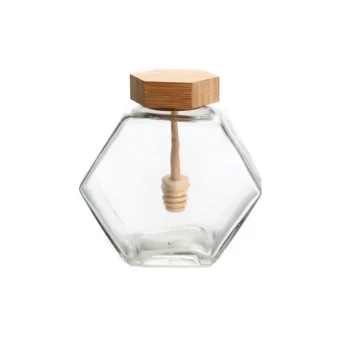
Standardized glass and plastic containers function as a critical preservation system for stingless bee honey, far beyond simple storage. Their primary role is to create a stable, sealed environment that protects oxygen-sensitive bioactive components, specifically flavonoids and polyphenolic substances. By preventing chemical degradation caused by environmental exposure, these specialized vessels ensure the honey’s therapeutic efficacy remains consistent from packaging to consumption.
Core Insight Unlike recycled vessels that compromise product stability, standardized containers act as a necessary barrier against oxidation, fermentation, and contamination. They are the defining factor that transforms stingless bee honey from a volatile raw ingredient into a shelf-stable, commercially viable medicinal product.
Preserving Bioactive Potency
The unique chemical profile of stingless bee honey requires specific protection mechanisms that only standardized packaging can provide.
Protection of Medicinal Compounds
Stingless bee honey is prized for its therapeutic properties, which are derived from bioactive compounds like flavonoids and polyphenols. Standardized containers isolate these compounds from external environmental factors that cause rapid chemical degradation.
Preventing Oxidation
These containers provide a high-quality seal that creates an airtight environment. This physical barrier prevents oxygen from interacting with the honey, which preserves the enzyme activities and flavor profiles that define the product's quality.
Chemical Inertness
High-quality food-grade plastic and glass are chemically inert materials. They ensure that the packaging does not react with the honey’s natural acidity or leach harmful substances, maintaining the absolute purity of the product.
Managing Stability and Hygiene
Stingless bee honey typically has higher moisture content and acidity than common honey, making it physically fragile and prone to spoilage.
Controlling Fermentation
Due to the honey's high moisture content, it is naturally susceptible to uncontrolled fermentation. Standardized high-seal containers block the entry of environmental humidity, which is the primary catalyst for spoilage and souring during storage.
Eliminating Secondary Contamination
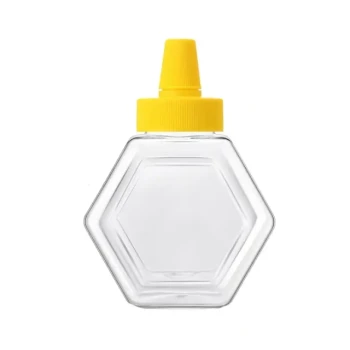
Recycled containers often harbor residues or bacteria that can spoil the honey. Standardized small-capacity bottles (e.g., 100 ml or 250 ml) guarantee a hygienic environment, preventing secondary contamination during the filling and packaging process.
Filtration and Purity Preservation
Packaging often follows fine filtration systems that remove wax and debris. The container serves as the final lockbox for this clarity, ensuring the honey remains free from physical leakage and external dust or odors.
Commercial Viability and Market Access
Beyond chemistry, the container functions as a tool for establishing legitimacy in the modern retail landscape.
Establishing Brand Trust
Professional packaging serves as the primary carrier for essential technical data, including production dates, bee species origin, and quality standards. This distinguishes high-quality products from inferior alternatives, building consumer confidence and protecting intellectual property.
Enabling Retail Entry
Supermarkets and modern retail chains require standardized hygiene and safety measures. Standardized specifications (such as 2.5-liter industrial buckets or specific bottle sizes) act as the foundational requirement for distribution, allowing the product to compete on store shelves.
Common Pitfalls to Avoid
While standardized packaging is superior, understanding the specific limitations of material choices is vital for producers.
The Risks of Recycled Alternatives
Using recycled beverage bottles is a significant safety risk due to poor sealing and potential contamination. These containers fail to provide the necessary barrier against moisture absorption, leading to compromised product integrity and reduced shelf life.
Material Selection Trade-offs
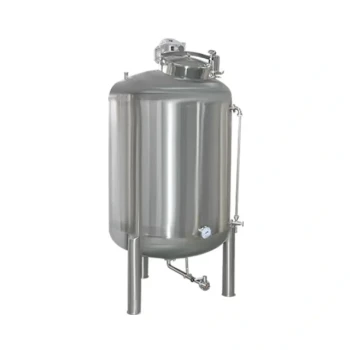
Not all "standard" containers are equal; the material must be matched to the honey's needs. While glass offers the best impermeability for small batches, high-density polymers are often required for larger volumes (like 2.5L buckets) to ensure durability during long-distance transportation without sacrificing the moisture barrier.
Making the Right Choice for Your Goal
Selecting the correct standardized container depends on whether your priority is medicinal preservation or commercial scale.
- If your primary focus is Therapeutic Quality: Prioritize high-seal glass bottles to offer maximum protection for oxygen-sensitive flavonoids and prevent any chemical leaching.
- If your primary focus is Retail Distribution: Utilize standardized food-grade plastic or glass with professional labeling to meet supermarket safety standards and improve shelf recognition.
- If your primary focus is Bulk Transport: Choose high-density polymer buckets (e.g., 2.5L) to ensure physical durability and a strong moisture barrier during long-distance shipping.
Standardized packaging is not merely a vessel; it is an investment in the chemical stability and commercial future of the honey.
Summary Table:
| Function | Glass Containers | Food-Grade Plastic Containers |
|---|---|---|
| Best For | Premium/Medicinal (Small Batch) | Commercial/Bulk Distribution |
| Protection | Maximum oxygen & moisture barrier | Durable moisture & impact barrier |
| Stability | Chemically inert; no leaching | Lightweight; ideal for transport |
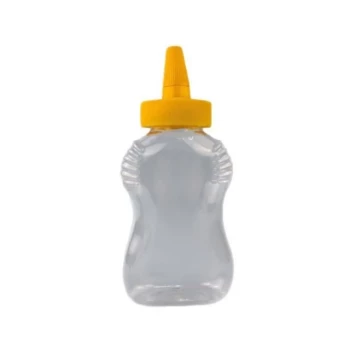
| Common Sizes | 100ml, 250ml bottles | 2.5L buckets, retail squeeze bottles |
| Key Benefit | Preserves flavonoids & enzymes | Reduces costs & transport breakage |
Elevate Your Beekeeping Business with HONESTBEE
Are you a commercial apiary or a distributor looking to scale your operations? HONESTBEE provides the end-to-end solutions you need to transform raw honey into a market-ready product. From high-precision honey-filling machines and hive-making equipment to professional-grade standardized packaging and essential consumables, we empower our partners to maintain the highest quality standards.
Partner with HONESTBEE to access:
- Industrial-Grade Machinery: Streamline your production with specialized hardware.
- Premium Wholesale Supplies: Secure the best tools and honey-themed merchandise for your brand.
- Expert Industry Support: We cater specifically to the needs of large-scale beekeeping and global distribution.
Contact HONESTBEE Today to discover how our comprehensive wholesale offerings can enhance your therapeutic honey’s shelf life and commercial success!
References
- J. Kiprono Sabella, Sammy Kimoloi. Therapeutic uses of stingless bee honey by traditional medicine practitioners in Baringo County, Kenya. DOI: 10.5897/jpp2022.0618
This article is also based on technical information from HonestBee Knowledge Base .
Related Products
- Squeezable No-Drip Beehive-Shaped Honey Jars with Flip-Top Cap
- Classic Beehive Honey Bottle Jar with Squeeze Dispenser Lid
- Hexagonal Glass Honey Jars with Metal Lug Caps Elegant Versatile Packaging
- Premium Stainless Steel Honey Tank Bucket Pail with Reinforced Handle and Polished Finish
- Classic Honey Bear Jars with Flip Top Dispensing Cap for Liquid Sweeteners
People Also Ask
- What food safety standards must honey containers meet? Expert Guide to Packaging Integrity & Hygiene
- Why is it important to distinguish between weight and volume when selecting honey containers? Maximize Profits Now
- What are the benefits of purchasing honey containers in bulk? Maximize Margins & Secure Your Supply Chain
- What types of containers are ideal for storing liquid honey? Preserve Quality with Glass or Plastic
- How many jars of honey can you get from a hive? Maximize Your Yield with Strong Hive Management