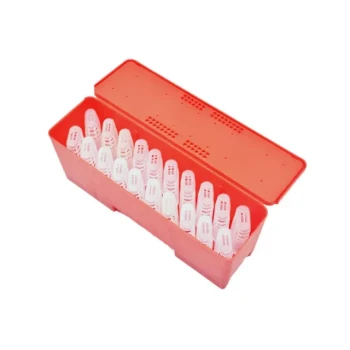
Swarm boxes are specialized capture tools essential for managing honeybee populations in both research and conservation contexts. Their primary functions are to facilitate the precise quantification of reproductive capacity (swarming rates) and to physically recover valuable resistance genes that would otherwise be lost to the environment, allowing these genetic resources to be re-incorporated into ongoing monitoring cycles.
Core Takeaway Swarm boxes bridge the gap between observation and conservation. They transform the natural event of swarming into actionable data regarding colony reproductive health while simultaneously acting as a "genetic safety net" to capture and retain resilient traits for future breeding.
Quantifying Reproductive Data
Measuring Swarming Rates
The most immediate function of a swarm box is to capture natural swarms within a designated area.
By trapping these swarms, researchers can obtain a concrete count of colony reproduction events. This data is critical for calculating the swarming rate, which serves as a key indicator of colony vitality and reproductive drive.
Assessing Reproductive Capacity
Beyond simple counts, swarm boxes allow for the assessment of a population's overall reproductive potential.
Capturing the swarm allows managers to analyze the biological success of the colony. It provides the raw data needed to understand how well a specific lineage is propagating under current environmental conditions.
Managing Genetic Resources
Recovering Resistance Genes
A critical function of the swarm box is the preservation of desirable genetic traits, specifically resistance genes.
When a colony with natural resistance to pests or disease swarms, those genes are at risk of migrating away from the managed area. Swarm boxes intercept this migration, allowing managers to secure these specific genetic lines.
Closing the Monitoring Loop
The primary goal of capturing these swarms is not just possession, but re-incorporation.
Once captured, these samples are not left in isolation; they are reintroduced into monitoring cycles. This ensures that valuable genetic diversity is retained within the managed population rather than being "lost to the environment."
Building Gene Banks
As noted in broader conservation strategies, effective swarm collection is strategic for building native bee gene banks.
By capturing wild or semi-wild swarms, these boxes help replenish populations in agricultural areas where local genetics may have degraded, ensuring a supply of high-quality, locally adapted stock.
Distinguishing Tools: Common Pitfalls
Swarm Boxes vs. Screen Boxes
It is vital not to confuse swarm boxes with screen boxes, as they serve opposing functions in research.
Screen boxes are used to artificially aggregate, mix, and homogenize bees to create uniform test groups for standardized statistics. Swarm boxes, conversely, are designed to capture naturally occurring, distinct biological units (the swarm) to preserve their specific, unique genetic identity.
The Limits of Capture
While swarm boxes capture genetic material, they do not inherently prevent genetic contamination.
To ensure the purity of the captured genetics, swarm boxes must often be used in conjunction with specialized isolation facilities. These facilities are required to block mating pressure from non-native drones, ensuring the captured genetics remain pure.
Making the Right Choice for Your Goal
To effectively utilize swarm boxes, align their use with your specific management objectives:
- If your primary focus is Data Collection: Use swarm boxes to establish a baseline metric for reproductive capacity, strictly counting how frequently colonies split and swarm.
- If your primary focus is Genetic Conservation: Prioritize the use of swarm boxes to intercept colonies exhibiting resistance traits, ensuring these genes are cycled back into your breeding program.
Summary: Swarm boxes are the linchpin of sustainable apiary management, converting the potential loss of a swarm into a verified data point and a secured genetic asset.
Summary Table:
| Function Category | Key Management Role | Specific Outcome |
|---|---|---|
| Data Collection | Measuring Swarming Rates | Quantifies colony vitality and reproductive drive |
| Data Collection | Assessing Capacity | Analyzes biological success under environmental conditions |
| Genetic Conservation | Recovering Resistance Genes | Intercepts and secures pest/disease-resistant traits |
| Genetic Conservation | Re-incorporation | Returns unique genetic samples to the monitoring cycle |
| Infrastructure | Gene Bank Support | Replenishes native stock in agricultural areas |
Scale Your Apiary Operations with HONESTBEE Professional Equipment
Maximize your honeybee management efficiency and secure vital genetic resources with HONESTBEE. As a specialized partner for commercial apiaries and distributors, we provide more than just tools—we deliver a comprehensive wholesale solution. From high-capacity honey-filling machines and hive-making hardware to a full spectrum of beekeeping consumables and cultural merchandise, we equip you to lead the industry.
Ready to elevate your production and preserve your superior lineages? Contact us today to discuss your wholesale needs
References
- Ingemar Fries, Peter Rosenkranz. Survival of mite infested (<i>Varroa destructor</i>) honey bee (<i>Apis mellifera</i>) colonies in a Nordic climate. DOI: 10.1051/apido:2006031
This article is also based on technical information from HonestBee Knowledge Base .
Related Products
- Styrofoam Mini Mating Nuc Box with Frames Feeder Styrofoam Bee Hives 3 Frame Nuc Box
- HONESTBEE Collapsible Tiered Bee Swarm Catcher for Beekeeping
- Portable Electric Bee Vacuum with Lithium Battery and 20L Collection Bucket
- Portable Bee Mating Hive Boxes Mini Mating Nucs 8 Frames for Queen Rearing
- Langstroth Honey Bee Box Hive Boxes for Different Depths
People Also Ask
- How are nuc boxes used in queen rearing? The Essential Tool for Reliable Queen Mating
- What is the primary advantage of mini mating nucs? Maximize Queen Production with Minimal Bee Resources
- What are the practical uses for an empty nuc box? Essential Tools for Swarm Control and Apiary Management
- Why are empty nuc boxes or spare hives used for Small Hive Beetle inspections? Improve Your Pest Detection Accuracy
- How long can bees be kept in a nuc box? Expert Timeline for Hive Transfer